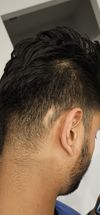
A user experienced severe side effects, including heart issues, after taking oral minoxidil without consulting a doctor. They are now considering alternatives like dutasteride, PRP, or laser treatments for hair loss.
A 23-year-old with high estrogen levels is considering starting finasteride for hair loss and plans to use a low dose topical treatment while also seeking to lower estrogen levels. They will consult an endocrinologist for further guidance.
A user shared their positive experience with a clinical trial for a new oral medication, VDPHL01, which is a reformulated version of oral minoxidil taken at a high dose of 17mg daily, showing significant hair regrowth after six months. The user noted that this formulation is believed to be more effective and time-released, with fewer side effects compared to regular oral minoxidil.
The user has been using finasteride, minoxidil, dermarolling, and keto shampoo for hair regrowth, showing positive results after four months. Some users suggest adding tretinoin cream for better absorption, and there's a debate on whether finasteride should be taken at night.
Hmi115, a prolactin receptor blocker, showed promise for hair growth, but results from Phase 2 trials have not been published. ABS-201, an AI-based analog, is expected to begin trials in December 2025, while commercialization of treatments like PP-405 is anticipated around 2027.
The effects of Finasteride on hair loss and its side-effects, such as aching balls. The user has been taking it for two years with no changes to the symptom.
The user has experienced hair regrowth using finasteride, minoxidil, dermarolling, and nizoral shampoo, but is considering a hair transplant due to advanced hair loss. Others suggest checking the donor area and considering a reputable surgeon for a potential transplant.
The user experienced significant hair regrowth and regained confidence after using 1 mg finasteride and minoxidil twice daily. Initial side effects like weak erections and hard nipples resolved over time as the body adjusted.
The conversation is about someone experiencing slow but steady hair regrowth using topical Minoxidil and 1mg Finasteride daily since mid-December. Another person commented positively on the progress.
A user shared their 3-month progress using oral finasteride, topical minoxidil, and dermarolling for hair loss. Other users commented on the impressive results and asked questions about the treatments.
The user experienced significant hair regrowth using finasteride and minoxidil. They plan to switch to dutasteride for its potency after confirming their body's tolerance to DHT blockers.
The conclusion of the conversation is that the user, djamezz, has experienced significant regrowth and improved density in their hairline by using treatments such as RU (RU58841), dut (dutasteride), and Inkey's Caffeine Scalp treatment. They are satisfied with their progress and do not plan to cut off their hair.
A satirical post where someone claims to have developed a radioactive isotope scalp serum using Polonium-210 that outperforms Minoxidil and finasteride for hair regrowth. The serum reportedly stimulates DNA repair in hair follicles, leading to significant hair density increase, but the post is met with skepticism and concerns about safety.
A 23-year-old male is experiencing aggressive hair loss despite using 1mg finasteride and 4.5mg minoxidil, with limited progress and side effects like fluid retention. Suggestions include trying dutasteride, microneedling with topical minoxidil, and considering hair systems or a transplant in the future.
The user is experiencing hair regrowth using finasteride, minoxidil, and KX-826. They regret not starting treatment earlier but are now seeing progress.
Verteporfin reduces scar tissue in hair transplants but doesn't significantly regrow hair follicles. More testing is needed to determine its effectiveness.
A 34-year-old man has been using oral minoxidil and finasteride for three months with noticeable hair regrowth and no side effects. He is considering a hair transplant but is currently satisfied with the progress and prefers not to switch to more aggressive treatments.
An 18-year-old has been using oral finasteride and topical minoxidil for hair loss since January 1st, occasionally using ketoconazole shampoo. They are unsure about the progress and volume increase after three months of treatment.
User shares 8-month hair transplant update with 3800 grafts, using Minoxidil and Xpecia. Others express amazement at results and discuss costs and procedures.
The user shared progress pictures after using Minoxidil and oral Finasteride for eight months to treat hair loss. They experienced significant hair regrowth, and the discussion includes various opinions on the necessity and effectiveness of these treatments.
The conversation discusses Dr. Blake Bloxham's experiment with Verteporfin for hair loss, with one person suggesting more doctors should try it as it seems beneficial. Another comment notes that results at 4-5 months were not very impressive.
A 33-year-old woman shared her successful hair regrowth journey using topical Minoxidil 5% once daily, resulting in thicker hair and increased confidence. She avoided oral treatments like finasteride due to potential side effects and focused on consistent application of Minoxidil.
Finasteride can cause scalp itch and inflammation, possibly due to DHT changes, but these effects are often temporary and part of the shedding phase. Consistent use of finasteride may show results after 6 months, with potential hair regrowth and slowed hair loss.
The user started with microneedling, vitamins, and ketoconazole shampoo, then added minoxidil and finasteride in the last three months. The conversation includes a shared image and some humorous comments.