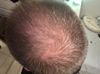
Choosing between two hair loss treatments, with a preference for a higher concentration of RU58841 and 5% minoxidil, avoiding oils like castor and argan that may hinder absorption.
A 47-year-old male experienced mixed results with hair loss treatments using finasteride and oral minoxidil. After reducing dosages and adding creatine, he noticed shedding, but switching back to higher doses and changing to pea protein may help regain progress.
The post discusses using oral Minoxidil and Dutasteride for hair loss. Minoxidil improved hair growth with mild hypertrichosis, while Dutasteride caused severe acne, cognitive issues, and mild anxiety, leading the user to prefer Finasteride.
The user has been using 2.5mg oral minoxidil for almost 9 months with reduced shedding but no regrowth and is considering adding oral finasteride despite potential side effects. They plan to consult their dermatologist about this addition to their treatment.
The user has been using finasteride (1.25mg) for 21 months and oral minoxidil (2.5mg) for 7 months with no noticeable improvement, seeking others' experiences on timelines for results. Suggestions include microneedling and vitamin D supplements, with the expectation that modest results or maintenance are common.
Mixing 2.5mg of minoxidil powder with 150ml of water seems to eliminate its blood pressure effects, causing only a brief 20-second hypertension. The reason for this effect is unclear.
The user has been using oral finasteride and minoxidil for 1.5 years with some crown improvement but still experiences thin hair and a receding hairline. They are considering switching to dutasteride for potentially better results, while others suggest adding topical minoxidil back into the routine.
A 25-year-old woman using minoxidil 2% for hair loss is experiencing faster hair growth and new baby hairs but continues to lose hair and see miniaturization. Suggestions include switching to minoxidil 5%, checking vitamin levels, using Nizoral, and considering a DHT blocker.
The user experienced noticeable hair regrowth after starting dutasteride and minoxidil in mid-November. Despite mixed opinions, many users encouraged patience and consistency with the treatment.
A 23-year-old shared their 5-month progress using oral minoxidil (5 mg) and dutasteride (0.5 mg) with no side effects, reporting thicker hair and some hairline improvement. They used Avodart for dutasteride and Labinco for minoxidil, and others in the conversation discussed their experiences and interest in similar treatments.
The user is using a 5% minoxidil solution with low propylene glycol and 1 mg of oral finasteride daily but is still experiencing hair shedding, especially at the temples and front. They are concerned about absorption issues and considering adding tretinoin to improve results.
Topical minoxidil with finasteride can help focus treatment on the scalp, with shedding being normal initially. Foam minoxidil is easier to apply, PRP's effectiveness varies, and anti-dandruff shampoos like ketoconazole are beneficial for scalp health.
A user did not respond to finasteride, dutasteride, and oral minoxidil for hair loss after four years of treatment and is considering scalp micropigmentation (SMP). Other users suggest the hair loss pattern may indicate alopecia areata and recommend seeing a dermatologist.
User shared progress on hair regrowth using 1.25 mg finasteride daily, 5% minoxidil, and a 1.5 mm dermaroller twice a week, with no side effects. Users discussed shedding phases, application methods, and the necessity of continuous treatment to maintain results.
The user switched from topical to oral minoxidil (5mg daily) a year ago, saw no improvement, and experienced chest pain and trouble sleeping after stopping. They are considering whether to resume and taper the dosage due to stress and anxiety.
A user shared their positive experience using dutasteride 0.5 mg and minoxidil 5% for hair loss, noting significant improvement in 3 months without side effects. They used Avodart for dutasteride and Costco's minoxidil, taking dutasteride pills every other day and applying topical minoxidil.
Switching from liquid to foam minoxidil may cause mild shedding, possibly due to differences in absorption. Returning to the original liquid formulation typically stabilizes shedding within a few weeks.
The user has been using topical minoxidil with other ingredients and oral finasteride, but its effectiveness has decreased. They are considering switching to oral minoxidil after experiencing side effects with dutasteride.
The conversation is about using 5mg oral minoxidil, 1mg oral finasteride, and Keto shampoo for hair loss, with additional supplements like Biotin, multivitamins, and Vitamin D3 with K2. Suggestions include possibly switching to 2.5mg dutasteride instead of finasteride.
Significant hair regrowth was achieved using 1mg finasteride daily, 5% minoxidil nightly, and weekly 1.5mm microneedling, with no side effects. Topical minoxidil and microneedling are recommended for similar results.
A user reported better hair regrowth with 5 mg oral minoxidil and 1 mg dutasteride than with finasteride and topical minoxidil, calling topical minoxidil a scam. Replies varied, with some defending topical minoxidil, questioning the user's application method, and suggesting that previous treatments might be contributing to the observed results.
The user has been using topical Minoxidil since April 2025 and Finasteride since September 2025, but their bald spot has worsened. They are considering switching to oral Minoxidil and have been advised to be patient, see a dermatologist, and possibly try additional treatments like derma rolling.
The conversation is about a user's hair regrowth after 2.5 months using topical minoxidil. Some suggest adding finasteride for long-term results, while others share their experiences with side effects or alternative treatments like dermarolling and dietary improvements.
The user has been using a regimen of dutasteride (DUT) and topical minoxidil (1ml once a day) for six months, resulting in hair regrowth and increased thickness. The user reports no side effects and mentions that the shedding phase lasted about a month.
Oral minoxidil can cause side effects like shortness of breath and constipation, which may be reduced by taking it in the morning. Some users experience no side effects, while others switch to topical treatments or adjust their dosage and timing to manage symptoms.
The user used minoxidil alone for 5 years and recently added finasteride, ketoconazole shampoo, bimatoprost, and dermarolling to their routine. They are hopeful for regrowth, as combining these treatments can address hair loss causes, but results may take up to a year.
A 47-year-old man has been using a topical spray containing minoxidil, finasteride, biotin, and ketoconazole for hair loss but has not seen any regrowth and is experiencing more hair loss. He is considering switching to a pill form due to frustration with the lack of results.
The user experienced significant hair and beard regrowth using 0.5mg dutasteride and 5mg oral minoxidil over a year, despite initial shedding. They reported no major side effects, except for increased body hair growth.
A 22-year-old male has been using oral minoxidil, oral finasteride, microneedling, and ketoconazole for hair loss treatment over two years, experiencing some regrowth and maintenance. He reports side effects from finasteride, including erectile dysfunction, and slight libido impact from minoxidil.