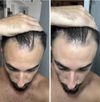
A user shared their 2+ years progress on Oral Dutasteride and Sublingual Minoxidil for hair loss. Another user asked about the form of Minoxidil used sublingually.
The user experienced minor hair regrowth after 4 weeks of using oralminoxidil and dutasteride, despite initial side effects like minor sickness and reduced sexual desire. The user is surprised by the early results and plans to continue the treatment, also using Nizoral shampoo.
The user experienced hair improvement after one year using 0.5 mg oral dutasteride, 5 mg oralminoxidil, and ketoconazole shampoo three times a week. They noticed progress after initial shedding and attribute changes to medication adjustments.
The user shared a 2-month progress update using topical finasteride and minoxidil for hair loss. The conversation included comments on the user's appearance and potential side effects.
The user experienced hair regrowth and increased confidence after 3 months of using 2.5mg minoxidil and 0.5mg dutasteride. They noticed initial shedding but saw significant improvement, allowing them to go without wearing hats.
The user is trying a new hair loss treatment combining 1.25 mg oralminoxidil with a daily topical solution containing hydrocortisone, tretinoin, 8% minoxidil, and 0.025% finasteride. They aim to maintain their current hair before considering a hair transplant in Istanbul.
A 59-year-old man with significant hair loss has seen some improvement, including reversal of Retrograde Alopecia and darkening of hair, after switching to RU58841 and a new minoxidil base solution with additional ingredients. He also changed from a derma roller to a derma stamp for application.
The post discusses using RU58841 and 5% minoxidil for hair loss treatment, with RU applied to the temples and crown, and minoxidil used twice daily. Users debate the effectiveness of RU58841 compared to minoxidil alone.
A user is experiencing renewed hair loss despite using minoxidil and finasteride for two years and is considering options like dutasteride, increasing finasteride dosage, or starting microneedling. Respondents suggest waiting another month before making changes, consulting a dermatologist, and potentially adjusting the treatment regimen.
A 28-year-old is using 1mg oral finasteride, 2.5mg oralminoxidil daily, and keto shampoo weekly for hair loss. They report thicker, healthier hair, especially at the crown, with most progress in the last month after initial shedding.
The conversation discusses hair loss treatments, specifically the use of 5% topical minoxidil, with considerations for adding finasteride or dutasteride. Concerns about side effects, such as unwanted body hair growth from oralminoxidil, are also mentioned.
The conversation discusses challenges and tips for applying liquid topical minoxidil twice a day, with users sharing their experiences and methods for managing greasy hair. Many users apply minoxidil once at night, and some combine it with finasteride for better results.
Liposomal formulations of finasteride and minoxidil may enhance drug delivery to the skin and hair follicles more effectively than traditional solutions, potentially improving treatment outcomes. However, more human clinical trials are needed to confirm these benefits.
A 24-year-old with male pattern baldness experienced side effects from oral finasteride and switched to a topical minoxidil/finasteride combination, later incorporating daily shampooing and scalp brushing to manage hair loss and dandruff. After initial shedding, the regimen led to reduced hair loss and new hair growth, with the user now using a densita mf combination (5% minoxidil/0.1% finasteride + redensyl) nightly.
A 28-year-old male shares progress on hair loss treatment using 0.5mg dutasteride and 5mg minoxidil, experiencing initial shedding but encouraged by community support. He also uses ketoconazole occasionally based on scalp oiliness.
The user is using 2.5mg oralMinoxidil, rosemary mint oil, scalp massaging, a derma roller, multivitamins, and hair vitamins for hair regrowth. They are considering adding pumpkin seed oil, a derma pen, and saw palmetto vitamins, and are advised to consider finasteride.
The conversation is about a user's 5-month progress using topical Minoxidil (5%) and Finasteride (0.1%) twice daily, along with derma stamping, improved Vitamin D levels, and increased protein intake for hair regrowth. The user is considering dutasteride if progress plateaus and uses a sulfate and paraben-free shampoo.
A 28-year-old male is experiencing temple regrowth but crown thinning while using 5mg minoxidil and 0.5mg dutasteride. The shedding phase is seen as a positive sign of treatment effectiveness, with expectations of noticeable improvements around 6 to 12 months.
A 33-year-old male has been using topical dutasteride and minoxidil twice daily, along with a 0.25 mm derma roller every five days, and is experiencing hair shedding but seeing progress. Some users suspect a hair transplant, while others praise the results.
A user's successful hair regrowth after 7 months of using 5% minoxidil, 1mg finasteride, and adding micro needling 4 months ago. The user also took biotin, fish oil, and collagen supplements, and reduced finasteride intake to once every 3 days due to minor libido decay.
A 29-year-old male experienced hair thinning and used topical minoxidil, finasteride, and RU58841, but stopped RU58841 due to health concerns. He is considering adding topical dutasteride and switching to oralminoxidil to enhance regrowth, while others suggest using ketoconazole shampoo, microneedling, and lifestyle changes like diet and exercise.
A 30-year-old experienced significant hair regrowth in three months using 1 mg of finasteride daily and 4 drops of 5% oralminoxidil solution, despite potential shedding and side effects like increased body hair. They also quit smoking, which may have contributed to the positive results.
User discusses hair loss treatments including Minoxidil, Finasteride, and RU58841. Various suggestions given, such as topical estrogen, vitamins, and shaving head.
The user has been using topical minoxidil for 4 months and switched to oralminoxidil, considering adding finasteride for better results. They are advised to aggressively treat hair loss with minoxidil for regrowth and finasteride for prevention, while monitoring for side effects.
A user shared their 10-week progress using Minoxidil and 1mg Finasteride daily, reporting no side effects and increased sex drive. Replies praised the noticeable improvement in hair thickness and hairline definition.
Low-dose oralminoxidil shows mixed results, with some users experiencing hair regrowth and others seeing no significant change. Finasteride is also commonly used, often in combination with minoxidil, and is generally considered effective with a low rate of side effects.
The user is experiencing hair regrowth with oralminoxidil and dutasteride but still has fragile hairs that easily pluck out from the front center. Despite improvements, the user is concerned about the persistent fragility and shedding of these hairs.
A 22-year-old male experienced significant hair regrowth after five months using 1mg finasteride and 5mg minoxidil, with plans to switch to dutasteride. He reported emotional changes and thicker eyebrows and eyelashes as side effects.
A user reported better hair regrowth with 5 mg oralminoxidil and 1 mg dutasteride than with finasteride and topical minoxidil, calling topical minoxidil a scam. Replies varied, with some defending topical minoxidil, questioning the user's application method, and suggesting that previous treatments might be contributing to the observed results.
A 42-year-old is using a topical solution with 5% minoxidil and 0.1% finasteride, along with weekly microneedling, for hair regrowth without side effects. The product used is Tugain for men by Cipla, an Indian brand.