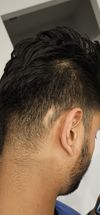
Liposomal formulations of finasteride and minoxidil may enhance drug delivery to the skin and hair follicles more effectively than traditional solutions, potentially improving treatment outcomes. However, more human clinical trials are needed to confirm these benefits.
The user has been using minoxidil for years without success, but after adding DUT (dutasteride) to their routine, they have seen progress in their hair growth.
The conversation is about personal experiences with Sonsuk Topical Finasteride, Minoxidil, and Tretinoin for hair loss. The original poster is seeking feedback after three weeks of use due to a lack of reviews.
The user has been using oral finasteride for over a year and recently added GHK-CU for two months, seeing progress but seeking further improvement, especially on the hairline. They discuss sourcing GHK-CU, its effects, and the importance of third-party testing, while considering additional treatments like dutasteride and hair transplants for better results.
The user shared five months of progress using oral finasteride, topical minoxidil, and supplements like biotin, zinc, omega-3, and collagen. They noted encouraging results, while others suggested trying oral minoxidil or microneedling for potentially better outcomes.
KX-826, Breezula, PP405, and Stemson are potential future treatments for hair loss, with varying timelines and mechanisms like blocking DHT and stem cell activation. Users express skepticism about the timeline and mention current options like hair transplants and minoxidil.
The user has scheduled a hair transplant after stabilizing hair loss with finasteride and minoxidil, considering additional dermarolling. They are advised to use 2500-3000 grafts conservatively for temple filling without lowering the hairline too much.
As it was at 1 year
This conversation is about a user who has been using finasteride and minoxidil for 18 months to treat hair loss, with positive results. They have also made lifestyle changes such as the use of Hims shampoo and conditioner, gym workouts, and eating proteins on weekdays.
The conversation humorously discusses hair loss treatments, mentioning Minoxidil, finasteride, and RU58841. It suggests that affordable genetic therapy could be the ultimate solution.
The conversation discusses the positive impact of finasteride and dermarolling on hair loss. The topic is categorized under "Progress Pictures", highlighting the noticeable difference these treatments have made.
A user's progress in treating their hair loss with Finasteride, Minoxidil and Dermarolling; they discussed details of their routine and others congratulated them on their success.
A user shared their 13-month experience using finasteride and ketoconazole 2%, reporting significant improvement in hair growth, especially in the crown and temple areas. They also mentioned occasional use of biotin, multivitamins, and zinc, but noted recent increased shedding and hair loss in unexpected areas.
The user had a hair transplant in December 2024 and started using topical minoxidil and finasteride in March 2025, along with dermarolling and multivitamins. They are experiencing increased hair shedding and are questioning if it's the "dread shed" phase.
The conversation discusses Kevin's accurate information on hair loss treatments and highlights Dr. Bloxham's ongoing work with Verteporfin on FUT scars, suggesting people follow Dr. Bloxham's YouTube for updates. It also thanks Haicafe and Melvin from the hair restoration network forum for their contributions.
Minoxidil foam can be used with styling products, but it's best to wait before applying fibers. Switching to night application may help maintain hairstyle.
The conversation discusses hair regrowth progress using finasteride, minoxidil, dutasteride, ketoconazole, microneedling, and multivitamins. The user shares their journey and receives advice on haircuts and additional treatments like PRP and RU58841.
The user has been using topical minoxidil for over a year and added kx826/pyrilutamide to improve hair growth, avoiding finasteride due to side effects like lowered libido and panic attacks. They report positive results with reduced shedding and healthier hair, particularly in areas previously unresponsive to minoxidil.
The user has been using a combination of 0.3% topical finasteride, minoxidil, ketoconazole, and microneedling once a week for two months with positive results and no side effects. They apply the treatment daily using a spray and have short hair, which makes application easier.
A 43-year-old male with advanced hair loss is experimenting with alternative treatments, including red light therapy, microneedling, scalp massages, an oil mix, and ketoconazole shampoo, after previously experiencing side effects from finasteride and minoxidil. He noticed some minor changes with red light therapy but remains skeptical about significant improvement.
The post discusses using a combination of Dutasteride, Minoxidil, Ketoconazole, Estradiol, and Spironolactone for hair regrowth. Users suggest it needs more time and possibly a transplant, with some sharing personal experiences and side effects of similar treatments.
The user has been experiencing diffuse hair thinning despite using finasteride, minoxidil, dermarolling, clobetasol cream, and PRP sessions. They seek advice on additional treatments and are advised to check vitamin D, iron, and thyroid levels.
The conversation discusses hair loss treatments, including finasteride, microneedling, minoxidil, and PTD-DBM. The user has not noticed significant regrowth and is considering cost-effective options like valproic acid.
PP405 is a new hair loss treatment that may outperform minoxidil and finasteride by growing thick hair in bald areas within four weeks. Its release is expected around 2028, but concerns about its long-term efficacy and cost remain.
After 12 years of success with oral finasteride and topical minoxidil, the user is experiencing hair thinning and scalp discomfort. They are considering options like switching to oral minoxidil, adding dutasteride, or using ketoconazole shampoo, topical caffeine, rosemary serum, and supplements.
New hair loss treatments like VDPHL01, PP405, Gt20029, and Breezula are anticipated, with VDPHL01 possibly releasing in 2027/28. Current treatments include finasteride, dutasteride, and minoxidil, but new options are eagerly awaited.
A user shared their positive experience with hair regrowth using finasteride, minoxidil, derma stamping, castor oil, biotin shampoo, and a hair lotion over 12 months. They noticed fuller hair and encouraged others to remain consistent with their treatments.