A user's 2.5 months of finasteride, oral minoxidil, and dermarolling treatments for hair loss, with various users giving their opinion on the progress made.
A 42-year-old user shared progress after 6 months using 1.25mg finasteride and 5mg oral minoxidil daily, with 5% topical minoxidil twice a day, improved nutrition, and weekly dermarolling. The user noticed some shedding and slower regrowth but remains disciplined, while others commented on the impressive results and potential side effects of high minoxidil doses.
Dutasteride and oral minoxidil significantly improved hair appearance, with noticeable changes in color and texture. The user experienced minimal side effects and attributes most progress to dutasteride.
The user is considering a hair transplant and is using Kirkland 5% foam minoxidil, oral finasteride, oral minoxidil, and topical minoxidil 7% spray. They are concerned about the necessity and potential side effects of oral minoxidil before the transplant.
The user experienced significant hair regrowth using 0.5 mg Dutasteride and 5 mg oral Minoxidil daily, after initially using finasteride and a lower dose of Minoxidil. They are considering dermarolling or derma stamping to improve results further before opting for a hair transplant.
The user took finasteride irregularly, averaging 0.58 mg per day, and recently started using minoxidil foam. They reported positive hair growth results with minimal side effects.
Exploring hair loss treatments beyond DHT, including Minoxidil, pyruvate, Gt20029 targeting androgen receptors, and vasodilators. Other options like Kx826, adenosine signaling, growth factor topicals, and microneedling are also discussed.
The user has been using Finasteride for hair loss and is considering adding alphatradiol, stemoxydine, or 2% minoxidil to their regimen. They are concerned that stemoxydine, which shortens the resting phase of hair, might accelerate hair loss in those not using Finasteride by depleting hair cycles without strengthening miniaturized hairs.
The user stopped oral minoxidil due to side effects and is now using dutasteride mesotherapy and plans to start oral dutasteride. They are concerned about potential hair shedding and wonder if dutasteride alone will be effective.
The user is discouraged after nearly a year of using oral minoxidil and dutasteride without seeing desired hair regrowth. Suggestions include increasing dutasteride dosage, trying hair transplants, and considering other treatments like derma stamping or topical solutions.
A user did not respond to finasteride, dutasteride, and oral minoxidil for hair loss after four years of treatment and is considering scalp micropigmentation (SMP). Other users suggest the hair loss pattern may indicate alopecia areata and recommend seeing a dermatologist.
The conversation discusses switching from topical to oral minoxidil, using oral minoxidil daily and topical minoxidil only on microneedling days. The user also mentions using finasteride and tretinoin but has not seen results after two months.
A user shared their 15-month hair regrowth progress using finasteride, minoxidil, biotin, increased protein intake, and derma rolling. They also improved their lifestyle by working out, quitting smoking, drinking less, and getting better sleep.
The user experienced significant hair regrowth using oral minoxidil and dutasteride over several months. Many commenters praised the progress and suggested additional treatments like microneedling for further improvement.
Combining stemoxydine with topical minoxidil for hair loss treatment. Users discuss application order and effectiveness, with some skepticism about stemoxydine's benefits.
User shares 6.5 months of progress using topical finasteride 0.1% and minoxidil 10%, along with lasercomb, dermaroller, Nizoral, scalp massager, and biotin. They seek feedback on their results.
Musely sells a hair topical solution containing latanoprost, which degrades in 6 weeks, yet they market it as a 3-month supply. Concerns are raised about the product's effectiveness and the company's sales strategy.
Microneedling and tretinoin may enhance minoxidil absorption for hair loss, but evidence on their effectiveness is limited. Iron supplements and broccoli sprouts are suggested for enzyme activation, but their impact on hair is unclear.
The user is using dutasteride 0.5mg every other day and recently started minoxidil 5% with a dermaroller. Initial side effects included watery semen, erection difficulties, and chest pain, but these have resolved.
User shared progress after 4 months using topical minoxidil and oral finasteride, reporting noticeable regrowth and no side effects. Other users discussed their experiences and advice on similar treatments, including dutasteride and derma stamping.
The user experienced noticeable hair growth after starting dermarolling with a 1mm device, using minoxidil, and nizoral shampoo. They plan to reduce dermarolling frequency to three times a week and are considering additional treatments like finasteride or a hair transplant for increased hair density.
The user has been using oral finasteride, topical minoxidil, and a dermaroller for hair regrowth, noticing most improvement between months 3 and 4. Other users commented on the positive results and shared their own treatment routines.
A 32-year-old has seen positive hair growth after 4.5 months using 0.5mg daily of oral dutasteride and 5mg of oral minoxidil, despite previously losing hair due to stopping medications and wearing a hair system. They plan to continue treatment and are considering adding dermarolling to their regimen, with a hair transplant scheduled for the following year.
The conversation is about a person's 6-week progress using 2.5 mg oral minoxidil, 0.5 mg dutasteride, weekly derma stamping at 1.5 mm, and rosemary oil for hair loss, with some initial shedding but no side effects. They are optimistic about future results.
The user experienced significant hair regrowth and improved hair quality after six months of using oral minoxidil, finasteride, and micro-needling. They reported increased libido initially but no other side effects, and they plan to continue the treatment.
The conversation discusses the use of 0.1% latanoprost for hair regrowth, with concerns about cost and dependency. The user currently uses dutasteride and oral minoxidil and is considering adding latanoprost to their regimen.
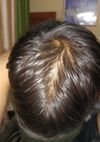
Sodium dodecyl sulfate, oleic acid, and palmitoleic acid may promote hair growth, but their safety and effectiveness for humans are uncertain. Users consider trying these treatments cautiously, exploring alternatives like ostrich oil and microneedling.
A user is using a topical spray containing Finasteride 1% and Minoxidil 5% along with other ingredients like glycerin and aqua, questioning if these are effective carrier agents. They apply it once daily and use a separate 5% Minoxidil solution at night.
The user has been using oral Minoxidil, Finasteride, and dermarolling for two months to address hair loss and is considering continuing the treatment until December before possibly switching to Dutasteride. They are hesitant about getting a hair transplant and are exploring other options like SMP, while receiving encouragement and advice from others to continue the current regimen for a longer period to see more results.