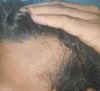
Diffuse thinning can result in varied regrowth, with some users experiencing better results at the hairline and others at the crown. Treatments mentioned include finasteride, minoxidil (oral and topical), RU58841, microneedling, and dermarolling.
The conversation discusses preventative hair care measures for hair loss, focusing on non-prescription treatments like rosemary, peppermint, castor oils, microneedling, and ketoconazole shampoo. It also touches on the use of finasteride, minoxidil, and RU58841 for those experiencing hair loss.
The conversation discusses hair regrowth, with users sharing experiences and advice on using finasteride, minoxidil, and dermarolling to stimulate hair growth. Many users report seeing small hairs, which they consider a positive sign, though opinions vary on whether these hairs will develop into thicker, terminal hairs.
The conversation discusses the emotional impact of early hair loss in men, with many feeling isolated and self-conscious. Some users also mention the lack of awareness about potential treatments like Minoxidil and Finasteride.
The user used oral finasteride, topical minoxidil foam, a derma roller, keto shampoo, Hims thick fix shampoo, hair dye, and rosemary oil for hair restoration. They reported no side effects and noted significant improvement, especially in the hairline.
The potential effects of dutasteride on hair loss, with some users reporting it improved their hairline while others experienced worsened hair loss or shedding. Other treatments discussed include minoxidil and finasteride, as well as RU58841.
A 26-year-old male with early hair thinning is using finasteride, topical minoxidil, and supplements for deficiencies in iron, B12, and vitamin D3. He is considering adding oral minoxidil to his treatment plan.
An 18-year-old experienced initial hair improvement with minoxidil but noticed increased shedding after surgery and lifestyle changes. They suspect iron deficiency and are seeking other possible explanations for the hair loss.
Rhamnose may promote hair growth and pigmentation, suggesting it as a potential hair loss treatment. The conversation discusses its potential alongside known treatments like Minoxidil, finasteride, and RU58841.
The conversation discusses various factors affecting hair loss, not just DHT, and mentions treatments like Minoxidil, finasteride, and melatonin. Some users report personal experiences with these treatments and hormone tests, while others speculate on the role of hormones like prolactin and cortisol in hair loss.
Hair fibers can effectively cover thinning hair when used with minoxidil and hairspray but require daily application and can be inconvenient in certain conditions. Some users prefer treatments like finasteride, dutasteride, microneedling, or wigs due to the maintenance and limitations of hair fibers.
A 24-year-old is experiencing aggressive hair shedding despite past success with mesotherapy and minoxidil, and is considering adding treatments like Expecia, dermapen, or a hair transplant. Many suggest using finasteride to maintain hair, as it is necessary even after a transplant, and side effects are rare and reversible.
A user is experiencing renewed hair loss despite using minoxidil and finasteride for two years and is considering options like dutasteride, increasing finasteride dosage, or starting microneedling. Respondents suggest waiting another month before making changes, consulting a dermatologist, and potentially adjusting the treatment regimen.
The user has been using finasteride, minoxidil, and a dermastamp for over four months and is asking if there is noticeable hair regrowth. They are seeking opinions on whether their hair will look good when grown out.
A user is concerned about the long-term commitment and potential side effects of using oral finasteride and topical minoxidil for hair loss. They are debating whether to accept their hair loss or start the treatment despite mixed results from others.
Parasites in the gut may contribute to hair loss by depleting essential nutrients and disrupting hormone balance. An imbalance of hormones, not just DHT, could be a factor in androgenic alopecia.
The user is using a combination of finasteride, dutasteride, oral and topical minoxidil, PRP, and stem cell treatments for hair loss. They report slowed shedding and new vellus hairs on the hairline, questioning if they are a strong responder to the treatment.
The conversation is about someone using topical dutasteride and oral minoxidil for hair loss, and they are seeking opinions on potential hair regrowth shown in a photo. Respondents agree that there is some progress.
Hair loss and potential treatments, primarily focusing on Finasteride and Minoxidil. Other solutions discussed include PRP, dermarolling, LLP, and scalp tension relief.
The user has been using finasteride and minoxidil for nearly three years, maintaining and possibly regrowing hair despite noticing shedding and miniaturized hairs. They are considering adding another treatment due to concerns about ongoing hair loss.
The user has been using finasteride for 6 months with decent results and recently added topical minoxidil. They are concerned that salicylic acid in their skincare products might reduce minoxidil's effectiveness.
PP405 is a safer alternative to JXL069 for hair loss treatment because it penetrates the skin effectively and degrades in the blood, avoiding systemic toxicity. JXL069, when forced into the body, can cause dangerous side effects like lactic acidosis due to its inability to degrade safely.
A user shared their experience with a beard-to-scalp hair transplant, noting no visible scars and improved hair density using finasteride and minoxidil. The conversation discusses the differences between beard and scalp hair, potential changes in hair texture, and the use of beard hair for increased scalp coverage.
Creatine generally does not affect hair loss, but some report increased shedding due to higher DHT levels. Many manage hair loss with dutasteride, finasteride, and minoxidil.
A user is treating hair loss with oral finasteride, topical minoxidil, and tretinoin mixed with moisturizer for easier scalp application. They also plan to use a derma pen weekly.
A 19-year-old is experiencing hair loss and shedding despite using Dutasteride and topical Minoxidil for six months. They are concerned about potential infections like folliculitis and are considering stopping the treatments due to stress and hair loss from various areas, including eyebrows and eyelids.
The user has been using topical minoxidil and finasteride for 1.5 years, which has thickened existing hair but left some areas thin. They suspect the treatment may be causing dandruff or seborrheic dermatitis and are seeking advice.
The user is using oral finasteride, topical minoxidil, Nizoral, dermarolling, a hair thickening conditioner, and hair vitamins for hair loss treatment. They stopped taking testosterone due to medical reasons and are now technically on estrogen, but it's unclear if this impacts their hair growth.