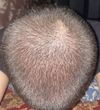
Woman uses antiandrogens for hair thinning prevention, experiences severe dry eye with finasteride. Asks if dutasteride could be better despite potential for worse dry eye.
Gut microbiome imbalances can cause scalp inflammation and affect hair follicles, potentially leading to hair loss. Treatments include finasteride, peptides like BPC-157, TB-500, KPV, and lifestyle changes such as diet and exercise.
Finasteride and dutasteride may not significantly impact meibomian gland function since these glands do not rely on DHT. Some users report dry eyes and other side effects from finasteride, but these may be influenced by other factors or medications.
An 18-year-old noticed hair thinning at 17, started finasteride 5 months ago, and saw shedding stop but no regrowth. They suspect male pattern baldness due to family history and are concerned about thinning on the back and sides, possibly due to inflammation.
The "DHT itch" is real and likely due to inflammation at the hair follicle, exacerbated by increased testosterone or androgens. Treatments mentioned include dutasteride, minoxidil, finasteride, and various topical solutions.
Oral minoxidil may cause dry skin and dark eye bags but doesn't significantly age the skin. Topical minoxidil is toxic to cats, and some users prefer finasteride.
A user reversed hair loss using 10% sulfur soap, which reduced scalp inflammation and possibly demodex mites. The user did not use finasteride or minoxidil, suggesting inflammation may contribute to hair loss.
A serum containing Centella asiatica extracellular vesicles, IGF-1, FGF-7, and caffeine significantly improved hair thickness, density, length, and reduced hair loss after 56 days. The conversation also discusses how treatments like finasteride, minoxidil, and ketoconazole address different aspects of hair loss by reducing DHT, improving blood flow, and lowering inflammation.
The user experiences an itchy scalp despite using finasteride and ketoconazole shampoo for hair loss. Suggestions include trying different shampoos, switching to dutasteride, and using topical treatments for inflammation.
People discussing their experiences with natural treatments for hair loss, such as essential oils, deep scalp massages, anti-inflammatory measures, and supplements. Most of the replies suggest that these treatments are not effective and recommend medication such as minoxidil or finasteride instead.
Staying positive and managing stress may slow hair loss, but treatments like finasteride, minoxidil, and dutasteride are essential for managing male pattern baldness. Stress can accelerate hair loss, but genetics play a significant role, and early treatment is crucial.
The user is experiencing significant hair shedding despite using 1.25mg oral minoxidil and 1mg finasteride daily for a year. They are advised to monitor health factors like vitamin levels and heart health, and consider increasing ferritin levels for optimal hair growth.
Hair loss after telogen effluvium (TE) with thinning and possible scarring, treated with 5 mg oral minoxidil. Concerns about scarring alopecia and lack of regrowth, with suggestions to consider finasteride for better results.
A user experienced increased pimples and cysts after two years on dutasteride, possibly due to hormonal changes. Suggestions included seeing an endocrinologist, using supplements like boron and DIM, adjusting diet, and reducing body fat to manage side effects.
A user shares their hair loss treatment regimen, which includes oral finasteride, oral and topical minoxidil, RU58841, LLLT cap, microneedling, ketoconazole shampoo, biotin, vitamin D3, NAC supplement, MK677, collagen, and other hair care products. They seek opinions on its effectiveness.
Hair loss treatments, specifically the use of Finasteride, Nizoral, and dermarolling; potential results from these treatments are discussed, along with potential side effects.
The conversation discusses a hair loss treatment regimen that includes Dutasteride, oral and topical Minoxidil, Tretinoin, dermarolling, Nizoral, salicylic acid shampoo, vitamins, and possibly The Ordinary Multi-Peptide Serum. Some responses suggest the regimen might be excessive, while others believe it is sufficient, especially with Dutasteride.
A 31-year-old male with androgenetic alopecia and seborrheic dermatitis is considering starting finasteride and minoxidil for hair loss, while also using ketoconazole and salicylic acid shampoos for scalp treatment. He is concerned about the timing of starting finasteride and potential side effects, and seeks advice on whether to prioritize scalp health or begin hair loss treatments simultaneously.
A 25-year-old male experienced hair loss and tried various treatments, including finasteride, PRP, mesotherapy, dutasteride, and oral minoxidil. Despite some setbacks and treatment interruptions, recent photos show improved hair density, though the user remains uncertain about overall progress.
The user experienced significant hair regrowth by returning to a regimen of 1mg oral finasteride daily and daily topical minoxidil after previously reducing their doses. They also emphasize maintaining energy and health through diet, exercise, and supplements.
The user plans to start a 12-month finasteride treatment to combat aggressive hair loss, with regular monitoring of thyroid levels, testosterone, DHT, liver enzymes, PSA, and iron levels. They seek advice on additional monitoring and aim to balance results with minimal side effects.
The user has been on finasteride for over two years, experiencing early hair regrowth, acne, and scalp sensitivity, but now faces thinning hair and questions about dosage and long-term effectiveness. They also used retinal to help with acne and are seeking advice on whether to adjust their finasteride dose.
A user needs to stop finasteride for 7 days to donate blood due to haemochromatosis. They are concerned if this break will affect their hair loss progress after 6 weeks of use.
Hair loss treatments like finasteride, minoxidil, and dutasteride work but have side effects. A permanent cure is still not available due to the complexity of hair loss and limited investment.
Peptides like TB500, KPV, GHK-CU, and BPC-157 are overhyped for hair growth with limited proven effectiveness in humans. Combining peptides with delivery methods like iontophoresis and sonophoresis shows promise, but many claims remain unproven.
Users discuss their positive experiences with finasteride for hair loss, mentioning halted hair loss, hair regrowth, and improved self-esteem. Some express satisfaction in taking action against baldness, while others note increased libido and energy.
A user shared a 4-month update on their hair regrowth progress using finasteride, minoxidil, a dermaroller, ketoconazole shampoo, multivitamins, and biotin, and received positive reactions and inquiries from others. They also mentioned lifestyle changes such as quitting creatine, alcohol, and smoking, which may have contributed to their success.
The post discusses the theory that melatonin could reverse grey hair by regulating certain enzymes. However, users who have taken melatonin reported no effect on preventing or reversing grey hair.
A 40-year-old man successfully regrew his hair in 8 months using 0.5mg Dutasteride, 2.5 oral minoxidil, minoxidil foam twice a day, derma rolling/stamping twice a week, and retinol serum. The community praised his progress, asked about his routine, and shared their own experiences.
User is considering microneedling to enhance hair regrowth after limited response to minoxidil and better results with finasteride and ketoconazole shampoo. Recommendations include using a 1.5mm derma roller once a week, avoiding minoxidil on microneedling days, and disinfecting the roller with isopropyl alcohol.