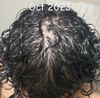
Hair loss treatments like finasteride, minoxidil, and dutasteride work but have side effects. A permanent cure is still not available due to the complexity of hair loss and limited investment.
A 27-year-old male experienced hair thickening using a specialized pill containing Dutasteride and Minoxidil, despite taking it irregularly due to being away from home. He plans to resume a more regular dosing schedule for better results, as he noticed side effects like brain fog and decreased libido.
A 28-year-old man regrew hair using 1mg finasteride, 2.5mg oral minoxidil, a multivitamin, and a derma roller over 1 year and 9 months. Initial side effects resolved, and he maintains his hair with continued treatment.
Some users believe people falsely claim hair restoration results from finasteride and minoxidil alone, while actually having hair transplants. Finasteride and minoxidil, often used with microneedling and nizoral, are effective for many, but results and opinions on dosages vary.
Oral minoxidil may cause facial bloating and dark circles, making some users feel they look older. Some consider reducing the dosage or switching treatments due to these side effects.
The user experienced increased hair shedding after using RU58841 for two months, but found relief from scalp itchiness. Other users shared similar shedding experiences and discussed side effects like joint pain, while also mentioning the use of finasteride and minoxidil.
The conversation is about using a topical solution of latanoprost and minoxidil for hair loss, with concerns about side effects due to a history of gynecomastia. The user is considering this treatment instead of finasteride and is seeking experiences from others.
Taking CoQ10 and fish oil supplements may lead to increased body hair growth and a crawling sensation on the scalp and skin. The user suspects these supplements could be linked to hair growth, possibly due to their effects on heart health and cholesterol management.
Users discussed hair loss treatments, specifically 0.1% latanoprost with melatonin, caffeine, and biotin. Other treatments mentioned include minoxidil, finasteride, RU58841, and microneedling.
User noticed tiny dots on their head after using 0.5% dutasteride and 8% minoxidil, which others identified as developing hair follicles. Encouragement was given to continue the treatment.
The conversation discusses whether oily scalp and sebum can hinder the absorption of topical hair loss treatments like Minoxidil and Finasteride, even when using tretinoin. The user is skeptical about the effectiveness of these treatments due to their oily scalp condition.
A user shared their hair regrowth journey, using minoxidil, finasteride, pumpkin seed oil, dermarolling, and scalp massages. They experienced side effects but saw significant improvement in their hairline.
User shares progress after 4 months of using finasteride and dermarolling, with occasional use of coconut and rosemary oil. They aim to stop hair loss and hope for increased top density.
A user shared their 9-month progress using oral 1 mg finasteride and oral 5 mg minoxidil for hair loss, reporting significant improvement and no lasting side effects. Other users praised the results and inquired about the treatment details.
Users discuss their positive experiences with finasteride for hair loss, mentioning halted hair loss, hair regrowth, and improved self-esteem. Some express satisfaction in taking action against baldness, while others note increased libido and energy.
A user shared a 1-year progress on hair loss treatment using 0.5mg of oral finasteride and 5mg of oral minoxidil, showing significant hair regrowth from almost bald to much thicker hair. Other users discussed their own experiences with these treatments, with some preferring topical applications to avoid side effects.
A user discusses using latanoprost, a costly treatment that may extend the hair growth phase and improve hair quality, wondering why it's not more popular. They already use a combination of finasteride and minoxidil and plan to incorporate latanoprost into their routine.
A user recently started using nanoxidil 5% for hair loss, particularly on the hairline, and is seeking feedback or experiences from others. The conversation focuses on the effectiveness of nanoxidil.
The user shared a 1-year progress update on hair regrowth using topical minoxidil, oral finasteride, biotin, and multi-vitamins, showing significant improvement. Other users praised the results and suggested adding dermarolling for potentially better outcomes.
The conversation discusses a hair loss treatment regimen that includes scalp massage, derma rolling, saw palmetto, rosemary, peppermint oil, pumpkin seed oil, and various supplements like vitamins C and D, multivitamins, biotin, collagen, and fish oil. The user is asking if the treatment has led to hair regrowth.
The conversation is about someone's hair growth progress after using dutasteride and oral minoxidil for eight months, with users commenting on the increased hair density and volume. Some users are skeptical, but the original poster insists there is a significant improvement in hair density.
The conversation discusses the risks and methods of ingesting liquid minoxidil for hair loss. Concerns include dosing accuracy, safety of ingredients, and potential side effects compared to using oral minoxidil tablets.
The conclusion of the conversation is that the user has made progress in their hair loss with the use of oral finasteride and topical minoxidil. The progress was most significant in the first year, and the user's temples are slowly improving.
The conversation is a satirical discussion about using grapefruit for hair regrowth, with suggestions ranging from injecting it to applying it topically or anally. Some users claim unusual benefits like emitting a green aura or jumping high.
Dr. Bloxham's trial is testing verteporfin on hair transplant patients to see if it can improve hair regrowth in treated areas. People are discussing the potential for follicle regeneration, expected results timeline, and concerns about side effects like cancer.
The user "Bishiop" shared a comparison of their hair progress over 9 months using oral finasteride, topical minoxidil, and microneedling. Other users commented on the results and shared their experiences with hair loss treatments.
The user is seeking feedback on their hair regrowth progress after using Minoxidil for 5 weeks, along with other treatments. Some users share their experiences, mentioning that Minoxidil may not provide a permanent solution and that results vary. It is advised to take before pictures for better assessment.
Hair loss treatment with latanoprost, minoxidil, and biotin showed progress. Latanoprost, a glaucoma drug, stimulates anagen phase and increases conversion of vellus hair to terminal hair.
The conversation discusses a claim that peppermint oil is more effective than minoxidil for hair loss, with one user mentioning using a mix of peppermint and rosemary oils as a treatment. Some users are skeptical, while others show interest in the potential of peppermint oil.