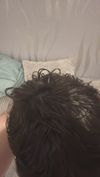
Glycosaminoglycans are important for hair growth, and combining minoxidil with tretinoin and Biopeptide-CL may enhance hair growth by boosting glycosaminoglycan levels and improving the hair follicle environment. Users discussed the potential effectiveness and future of these treatments.
A user experienced severe dry eyes as a side effect of using topical and oral Finasteride for hair loss and is seeking alternative treatments. They are considering other anti-androgens like Dutasteride, RU58841, Pyrilytamide, and Fluridil, despite mixed results and potential side effects.
The conversation discusses the potential of new hair loss treatments, with a focus on pyrilutamide, gt20029, and topical alfatradiol, and the possibility of improving their effectiveness through methods like increased concentration and microneedling. Dutasteride is also mentioned as a stronger option.
A user reported significant hair thickening after 6 months using oral finasteride and oral minoxidil, with no side effects. Some commenters requested better comparison photos and noted an increase in eyebrow thickness.
Topical melatonin was found to significantly increase hair density and decrease scalp conditions like seborrheic dermatitis. The user is considering using it alongside finasteride and oral minoxidil for treating hair loss and scalp health.
User Crazy-Signature930 shares progress on oral minoxidil for eyelashes and eyebrows. Others comment on the impressive results and ask about side effects and duration of use.
A 20-year-old male with a high hairline seeks advice on potential hair loss, noting a family history that typically doesn't progress beyond Norwood 2. A user suggests it appears to be a mature hairline rather than hair loss and advises monitoring for changes.
The user is experiencing significant hair shedding despite using 1.25mg oral minoxidil and 1mg finasteride daily for a year. They are advised to monitor health factors like vitamin levels and heart health, and consider increasing ferritin levels for optimal hair growth.
Oral minoxidil significantly enhances eyelash growth, with some users experiencing increased body hair. Finasteride is used alongside to manage hair thinning, with mixed results on body hair growth.
Hair shedding can still occur after long-term use of finasteride, and it is often part of the natural hair cycle. Some users consider adding minoxidil or switching to dutasteride to manage shedding.
The user is 3 months into using dutasteride and oral minoxidil after switching from finasteride, noticing potential regrowth with small hairs at the temples. They take 2.5mg oral minoxidil and 0.5mg dutasteride daily, with some eyelash and eyebrow growth observed.
The conversation discusses hair maintenance and mild regrowth after 7 months of using finasteride. Users suggest that finasteride helps stop hair loss, while minoxidil could aid in regrowth, but finasteride alone is effective for maintaining hair.
The conversation discusses hair shedding while using 0.5 mg dutasteride daily for 8.5 months, with users sharing experiences of shedding various hair lengths and thicknesses. It is suggested that shedding can be part of the hair cycle synchronization and may not indicate worsening hair loss.
GHK-CU is not considered as effective for hair loss as finasteride, minoxidil, or RU58841, with many users reporting minimal benefits. Some users experienced skin improvements, but its impact on hair is debated and often attributed to concurrent use of other treatments.
The user is considering switching from Hims to generic minoxidil and finasteride, with slightly lower dosages. They are concerned about maintaining their current hair condition without regrowth.
The user reported noticeable hair thickening after 10 days of using oral minoxidil and finasteride, but others suggested it might be an April Fool's joke or a placebo effect. The user also mentioned a high protein intake and regular gym workouts, while others discussed concerns about finasteride's side effects.
A user is taking 2.5 mg oral Minoxidil and was prescribed a topical oil with Minoxidil 8%, Dutasteride 0.05%, and Finasteride 0.5%. They are seeking opinions on whether this combination is excessive or appropriate.
Red light therapy for hair loss is controversial, with mixed results reported. Its effectiveness may depend on device quality and proper wavelength, and it is often used with minoxidil and finasteride.
Minoxidil isn't effective for OP, who is exploring latanoprost and bimatoprost for hair growth. Users suggest higher concentrations of latanoprost (0.1%) are needed for effectiveness, but they are costly and hard to find.
The user has been using oral finasteride and minoxidil for 7-8 months but continues to experience hair shedding and is considering switching to dutasteride. They are seeking advice on whether to make this change or wait longer.
Minoxidil gains are typically lost after stopping its use, but some suggest finasteride or dutasteride might help retain them, though results vary. Microneedling and low-level laser therapy are mentioned as alternative treatments, but minoxidil is noted for having a more significant impact.
Counterfeit minoxidil can be identified by inconsistencies in bottle fill levels, label details, and smell compared to genuine products. Genuine minoxidil has a specific alcohol-based smell and consistency, while counterfeit versions may smell musky and feel greasy.
A 23-year-old male used 1mg finasteride and topical minoxidil for 90 days, experiencing hair growth and side effects like watery semen and lethargy. He advises continuing medication for hair growth and adopting healthy habits.
A user shared their 16-month hair regrowth progress using finasteride, oral minoxidil, and micro-needling, noting significant improvement and minor side effects like stray ear hairs. Consistency in treatment was emphasized, with noticeable hair improvement within the first 6 months.
The user experienced positive hair regrowth after 8 months and 3 days of using finasteride (1.2 mg) and minoxidil chews (3 mg) with no side effects. Other users discussed their experiences with similar treatments, including different dosages and forms, and shared advice on obtaining prescriptions.
The user is considering switching from 0.25 mg oral finasteride to a 0.3% topical finasteride solution to see if it's more effective for hair loss. They also inquire about using 2.5 mg oral minoxidil with a 6% topical minoxidil solution.
The user experienced side effects like heart palpitations, chest tightness, and fatigue from using 5% minoxidil foam once daily. They are considering switching to a 2% concentration due to lingering symptoms like lightheadedness and brain fog.
Breezula may be released around 2027 but its effectiveness for advanced thinning is uncertain, and it might be expensive. Users discuss alternatives like low-dose topical finasteride and combining it with Breezula for better results.
A 28-year-old male shared his 46-day hair growth progress using finasteride, topical and oral minoxidil, derma stamping, keto shampoo, vitamins, and protein. He experienced initial shedding but saw improvement after adding oral minoxidil, with plans to continue for better results.