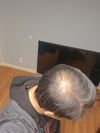
A user shared a 3-month hair regrowth progress using minoxidil and microneedling. They also use rosemary oil and plan to continue treatment for at least 6-9 more months.
The user shared five months of progress using oral finasteride, topical minoxidil, and supplements like biotin, zinc, omega-3, and collagen. They noted encouraging results, while others suggested trying oral minoxidil or microneedling for potentially better outcomes.
Microneedling with 0.6 mm needles combined with 5% minoxidil is more effective for hair count and thickness than minoxidil alone or with 1.2 mm needles. Biweekly microneedling at 0.6 mm depth is recommended for better results in treating androgenetic alopecia.
A 21-year-old shares progress 1.5 months after starting finasteride (0.5 mg every other day) with no side effects, using minoxidil for beard growth, rosemary oil, and weekly microneedling. They report healthier hair texture and positive feedback from family.
A user shared their 5-month hair regrowth progress using 5% topical minoxidil daily, microneedling weekly, and ketoconazole shampoo twice a week. Some suggest adding finasteride to maintain results, while others commend the current regimen's effectiveness.
The user shared their 12-month hair regrowth progress using 1mg finasteride, 5mg oral minoxidil, and topical minoxidil. They also used a derma stamp weekly and treated seborrheic dermatitis with Mometasone and Nizoral.
The use of tropoelastin injections and verteporfin for hair transplant recipients to help regrow donor area hairs, as well as research done on tropoelastin injections restoring elastin in scarred heart tissue and skin. There are discussions about why it is taking so long to get cosmetic mass produced tropoelastin injectables on the market.
User shared progress pictures showing significant hair regrowth using a compounded solution of Minoxidil 10%, Finasteride 0.1%, Biotin 0.2%, and Latanoprost 0.005%. They reported no side effects and are satisfied with the results.
Three months into using Minoxidil, finasteride, dermarolling, tretinoin, and saw palmetto shampoo, the user is seeing baby hairs on their hairline and is hopeful they will thicken. Another user reports that their own baby hairs have been getting thicker and longer over time.
A user applied minoxidil to their pubic hair for 3 months, resulting in hair growth over 4 inches, and is considering using it for a scalp hair transplant. They plan to continue the treatment despite their wife's disapproval.
A female user is seeking feedback on using topical minoxidil on eyebrows due to eyebrow loss, as oral minoxidil hasn't worked and they avoid Latisse due to potential fat loss.
A 42-year-old is using minoxidil for 1.5 years, recently started finasteride, and plans to use a microneedling pen on their scalp. They are seeking advice on regrowing hair.
The conversation discusses a user's positive experience with hair regrowth using topical finasteride, minoxidil, and microneedling after 2.5 months, noting initial shedding but improved hair density, especially at the temples, possibly eliminating the need for a hair transplant. The user is satisfied with the current treatment and is hesitant to try the experimental drug RU58841, hoping the current routine will suffice for further improvements.
The user experienced significant hair growth using topical minoxidil 5%, finasteride 0.1%, and a 0.5 mm dermaroller weekly. They reported no side effects and are pleased with the results after 2.5 months.
A user shared their hair regrowth progress using 1 mg finasteride, 10% minoxidil with 0.1% finasteride solution, and derma rolling, noting significant improvement in crown density over five months. They experienced initial shedding but reported no side effects from finasteride and plan to continue treatment for 10-11 months before deciding on future steps.
Teak leaf extract shows potential as a mild hair growth promoter for androgenic alopecia, with similar positive trends to minoxidil but without significant side effects. It can be made at home using dried teak leaves and ethanol, though its effectiveness compared to other treatments like finasteride is debated.
The user achieved significant hair regrowth in 2.5 months using 2.5mg oral minoxidil, 1mg finasteride, weekly microneedling, and ketoconazole shampoo. Microneedling with a derma stamp was particularly effective, and the user also uses topical minoxidil at night.
User shared 12-month progress using topical 0.25% finasteride and 5% minoxidil daily. Most replies suggest waiting longer for potential further regrowth before considering a hair transplant.
The user is experiencing gradual hair growth using 5% minoxidil, 0.01% finasteride, vitamins, capixyl serum, niacin, and weekly microneedling, with plans to increase finasteride dosage. Despite some side effects, they remain optimistic about hair transplant results, focusing on the crown and temples.
The user shared progress pictures after 5 months of using topical minoxidil (1ml per day) and oral finasteride (1mg per day) for hair growth, with no side effects reported. The user also mentioned having a hair transplant in December and uses pH-neutral baby shampoo.
User is using a homemade topical treatment with .015% finasteride, 5% minoxidil, and microneedling at .75mm depth. They also use 2% ketoconazole shampoo, various oils, and are considering increasing finasteride concentration due to mixed results.
The user reports hair regrowth after 15 weeks using oral finasteride, topical minoxidil, oral pumpkin seed oil, and ketoconazole shampoo. Images show progress before and after treatment.
A 23-year-old Asian male shared progress pictures after 3 months of using minoxidil, microneedling for 1.5 years, and taking vitamin supplements. Replies suggest adding finasteride or dutasteride for long-term hair maintenance.
The user applied 5% minoxidil twice daily and microneedled approximately 1.5 times a month. They noticed some progress in hair growth, though they were unsure if it was due to treatment or hair length.
A user's 18-month hairline progress using minoxidil, finasteride, Nizoral, microneedling, and scalp massage. They share their routine and discuss treatment effectiveness and photo order confusion.
A user shared their 1.5-year progress after a FUE crown transplant, using dutasteride and oral minoxidil, which improved their hairline and stabilized hair loss. They experienced dizziness from topical minoxidil but had no side effects from finasteride, dutasteride, or oral minoxidil.
The conversation is about someone's hair regrowth after 3.5 months using 1mg finasteride daily, minoxidil twice daily, and microneedling once a week. Participants are impressed by the significant hair growth and length achieved in a short time.
A 21-year-old female shared her 4-month hair growth progress using Minoxidil 5%, finasteride 1mg, Theradome LLLT, Viviscal vitamins, and PRP treatments twice. Commenters praised her progress and discussed other treatments like microneedling, but she noted her dermatologist advised against it due to potential scalp damage.
MCL-1 protein may help maintain hair follicles in the growth phase and prevent miniaturization. There is interest in experimental treatments like exosomes, peptides, or stem cell serums to upregulate MCL-1 for hair loss, especially for those not using minoxidil or finasteride.