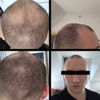
This conversation is about "TheReedThomy's" 12-month long hair loss treatment regimen which includes finasteride, minoxidil, microneedling, nizoral, vitamins, and lifestyle changes. Other users have commented to congratulate him on his progress and ask questions about his results.
Guyman567 has been using oral finasteride and topical minoxidil for years but continues to experience hair loss and thinning, which has affected his confidence. He has tried various treatments including topical finasteride, microneedling, and vitamins, and is considering a hair transplant but is concerned about ongoing hair loss.
Hair loss prevention and regrowth regimen includes finasteride, oral minoxidil, stemoxydine, hair growth serum, derma rolling, and ketocanazole shampoo. Users discuss efficacy, safety, and personal experiences with treatments.
A 19-year-old experiencing hair loss since 17 uses finasteride, minoxidil, dermaroller, ketoconazole shampoo, and oral castor oil, but sees little improvement. They seek advice on adding an anti-androgen, considering alfatradiol.
A user's progress with using Minoxidil, Finasteride and Dermarolling to treat hair loss; some of the replies included reports of side effects, encouragement and advice on lighting.
The conversation humorously discusses exaggerated eyebrow regrowth, with mentions of using minoxidil and oral minoxidil for hair growth. It includes satire and jokes about political figures and cosmetic treatments.
The user noticed hair density improvement after 1.4 years on finasteride, with additional use of minoxidil on the temples. Other users discussed various treatments like dutasteride, estrogen, and hair transplants, sharing personal experiences and advice.
The conversation discusses the severe shedding caused by Minoxidil, with users sharing their experiences and outcomes. Some report eventual regrowth, while others see no improvement or worsening hair loss.
A user noticed non-itchy, non-bleeding spots on their scalp while experiencing hair loss. Replies suggest the spots are likely sunspots or liver spots and recommend seeing a dermatologist; hair loss is attributed to male pattern baldness.
The user has been on Finasteride for over a year and recently added minoxidil and derma rolling to their regimen, experiencing side effects like headaches and acne for a few weeks. They tried various non-medication treatments for early-stage hair loss with no success before turning to medication, which improved their hair and confidence.
The conversation is about hair transplants and the perception that they often look unnatural, especially in the first few rows of hair. There is a debate about whether it's better to choose a cheaper clinic in Turkey or a more expensive one in the USA, with some arguing that experience and skill matter more than cost.
The user started oral finasteride to improve hair regrowth, especially in the crown area, after only seeing some maintenance and regrowth with a regimen of micro-needling, topical Dutasteride, and Rogaine. They were initially concerned about side effects but decided to proceed after research and consultations.
The conversation discusses coping with hair loss and the emotional impact of balding, with some users finding peace in shaving their heads. Treatments mentioned include minoxidil, finasteride, and lifestyle changes like diet and exercise.
Temporal peaks are crucial for a natural-looking hair transplant, but they are challenging to achieve due to the need for precise angles and appropriate hair thickness. Many users emphasize the importance of finding a skilled surgeon and using finasteride to maintain hairline stability.
Hair loss treatments are difficult because hair follicles react differently to hormones and have varying growth cycles. Treatments mentioned include Minoxidil, finasteride, and RU58841.
The user has been using 1mg finasteride daily, 0.05% tretinoin, and 5% topical minoxidil for hair loss. They've seen hairline recession with minoxidil but also new baby hairs, indicating a positive response.
The effects of finasteride and dutasteride on beard growth, whether minoxidil would help with facial hair loss caused by DHT blockers, and anecdotal evidence from users who have experienced either decreased or increased facial hair density while using these treatments.
A 25-year-old with aggressive diffuse NW5 hair loss is using Minoxidil, oral Finasteride, RU58841, Ketoconazole, and dermastamping, experiencing slow progress and mental health struggles. Despite some visible regrowth, the user feels discouraged due to ongoing hair loss and is seeking reassurance and advice.
The user managed hair loss with RU58841 and finasteride but is now experiencing graying hair, possibly due to stopping oral minoxidil. Many responses suggest embracing or dyeing gray hair, emphasizing that having gray hair is preferable to balding.
Matthew McConaughey's hair restoration methods are speculated to involve hair systems, transplants, and treatments like finasteride and minoxidil. Many believe he falsely credits his hair regrowth to Regenix, while others suggest he uses a combination of treatments for a natural look.
Switching from finasteride to dutasteride and oral minoxidil led to thicker hair and reduced hairline recession. Occasional flushing from minoxidil will be managed by lowering the dose.
The user is considering a second hair transplant after previous treatments with finasteride and minoxidil failed to stop hair loss. Suggestions include trying dutasteride, oral minoxidil, scalp micropigmentation, or shaving the head.
Minoxidil is effective for many users, with some experiencing initial shedding before seeing regrowth, while others report side effects like facial edema and heart pain. Combining minoxidil with finasteride or other treatments can enhance results, but individual experiences vary widely.
The user is concerned about hair loss and is considering treatments like finasteride and minoxidil but is unsure about their effectiveness and side effects. They have experienced mixed reactions to shaving their head and are struggling with confidence due to balding.
Steve Carell's hair transformation from Season 1 to Season 7 of "The Office" is attributed to a possible hair transplant and changes in styling. Discussions also mention the use of treatments like Propecia and Accutane for skin and hair issues.
The user has been using finasteride for 13 months and minoxidil for 2.5 years but continues to experience significant hair loss. Suggestions include switching to dutasteride and increasing the oral minoxidil dose to 5mg, while also considering lifestyle changes like diet and stress management.
A 25-year-old is experiencing chronic telogen effluvium (TE) and androgenetic alopecia (AGA) after surgery, using finasteride, red light therapy, and supplements, and considering oral minoxidil despite heart concerns. They are unsure whether to start minoxidil before or after an upcoming surgery, which may trigger another hair shed.