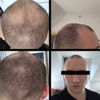
Microneedling alone may not be effective for hair regrowth, though it can improve skin and reduce scars. Minoxidil caused heart palpitations for one user, leading them to stop its use.
A user shared their positive experience with topical Minoxidil for hair regrowth, noting thicker and fuller hair without using Finasteride due to concerns about side effects. Many commenters advised adding Finasteride to maintain gains, warning that Minoxidil alone might not prevent future hair loss.
A 36-year-old man shared his one-year progress using 1mg oral finasteride and 5% topical minoxidil twice daily, showing significant hair regrowth on his hairline, eyebrows, and beard. He reported no major side effects, except for some eye irritation from minoxidil application near the eyes.
The user is experiencing hair loss despite using finasteride 1 mg daily and topical 5% minoxidil on the hairline. They are seeking advice as the treatments seem less effective over time.
Clascoterone 5% and PP405 are being discussed as potential future treatments for hair loss, with clascoterone nearing phase three completion and PP405 possibly taking a cosmetic route to market. Current treatments like minoxidil, finasteride, and RU58841 are mentioned as effective in slowing hair loss, but a complete cure remains elusive.
The user shared progress pictures after 5 months of using topical minoxidil (1ml per day) and oral finasteride (1mg per day) for hair growth, with no side effects reported. The user also mentioned having a hair transplant in December and uses pH-neutral baby shampoo.
The user is frustrated with hair loss despite using minoxidil, topical finasteride, and topical dutasteride, and is considering other options like oral treatments, SMP, or hair systems. They feel demoralized and are struggling with self-esteem and social interactions due to their thinning hair.
Minoxidil, finasteride, and RU58841 are discussed as treatments for hair loss, with excitement around a new drug, PP405, and a reformulated oral minoxidil in trials. Concerns about cost, side effects, and long-term use are also mentioned.
Patience and consistent use of treatments like Dutasteride and oral Minoxidil are key for hair regrowth, with noticeable improvements often taking around 10 months. Maintaining scalp health with products like ketoconazole shampoo and conditioners is also important for effective treatment.
The user saw significant hair regrowth using topical minoxidil and finasteride, even on areas not directly treated. They used local Algerian products with 5% minoxidil and 0.1% finasteride and reported no side effects.
A user shared impressive hair regrowth results after 4 months using topical minoxidil, oral finasteride, and 3 PRP sessions. They plan to continue with these treatments and add dermastamping.
The user has been experiencing prolonged hair shedding despite using Dutasteride, Minoxidil, and topical Finasteride, with blood tests showing high free testosterone and low SHBG. Suggestions include adjusting Minoxidil dosage, considering topical anti-androgens like RU58841, and addressing metabolic factors to increase SHBG.
The brain resists updating its perception of gradual appearance changes, like hair loss, due to its preference for stability and reliance on an internal model. This delay in perception can make changes feel sudden once the brain finally updates its model.
The user started using 1.25 mg of finasteride and 1.25 mg of oral minoxidil, noticing some hair regrowth and thickening. They plan to continue the treatment for a year, with others suggesting patience and possibly adding topical treatments.
Avoid layering thin or thinning hair, as it can make hair appear thinner and uneven. Proper framing and minimal layering can help maintain a fuller look, especially when using treatments like Minoxidil and Finasteride.
A user shared a 6-month update on using a daily tablet combining finasteride, minoxidil, biotin, and vitamins C, B5, and B6 to address hair thinning. They are pleased with the results, despite experiencing some facial hair regrowth as a side effect.
Double shampooing daily is safe and helps manage oily scalp and dandruff without causing hair loss. Accutane is considered for reducing sebum production despite potential temporary hair loss.
A user is considering an extensive hair loss treatment regimen including oral dutasteride, oral minoxidil, topical finasteride, tretinoin, microneedling, keto shampoo, laser comb, and PRP injections. Suggestions include simplifying the routine, possibly increasing minoxidil dosage, and considering alternatives like RU58841, while cautioning against using estrogen due to potential side effects.
The user has been using finasteride for hair loss with good results and is considering adding oral minoxidil. They are experimenting with hairstyles and hair products to manage their thinning hair and have received mixed feedback.
Avoid home-compounding topical minoxidil due to potential risks and complications. Use proper equipment and techniques to prevent aerosolization and ensure effective dissolution.
A user is treating hair loss with 0.5mg Dutasteride three times a week, 5mg oral Minoxidil daily, and topical finasteride and minoxidil, seeing some improvement but insufficient density. They are considering increasing Dutasteride dosage and addressing high estradiol levels, while also trying to quit vaping.
Tretinoin can increase hair follicles and is used alongside minoxidil and finasteride for hair growth, though it may cause skin peeling. Users report varying results, with some experiencing regrowth and others questioning its efficacy for hair.
Low-Level Laser Therapy (LLLT) for hair loss is effective but requires consistent use and device replacement every 1-2 years. The treatment is costly, and results may not be permanent without continued use.
A 27-year-old experienced significant hair regrowth after a hair transplant with 4349 grafts, supported by minoxidil and finasteride, improving his confidence. He plans to update on further progress at 9–12 months.
Intermittent fasting may suppress hair follicle regeneration, but opinions vary on its impact on hair loss. Some users report no negative effects or even hair improvement while using treatments like finasteride and minoxidil.
A 24-year-old started using finasteride for hair loss after hesitating due to potential side effects, and is considering a hair transplant. Other users shared their experiences with finasteride, minoxidil, and rosemary oil, discussing effectiveness and side effects.
The conversation is about a user's 6-month progress using topical Minoxidil (5%) and oral Finasteride (2.5 mg) for hair loss, emphasizing consistency for results. The user reports some side effects like mental fog and increased body hair but no significant changes in libido.
A person suspects their friend had a hair transplant instead of stem-cell injections due to a noticeably straight hairline. The discussion includes opinions on hair transplants, societal perceptions, and suggestions like using finasteride to maintain hair.
The user has been using topical minoxidil for 4 months and switched to oral minoxidil, considering adding finasteride for better results. They are advised to aggressively treat hair loss with minoxidil for regrowth and finasteride for prevention, while monitoring for side effects.
A user shared their positive experience with hair regrowth using finasteride, genuine minoxidil, and dermastamping, noting significant improvement after switching from a fake minoxidil product. They advised others to verify the authenticity of minoxidil through a bleach test to avoid counterfeit products.