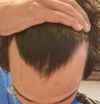
A user decided to use a hair system after 10 years of hair loss, avoiding surgery and supplements due to potential side effects. They were nervous but hopeful for natural-looking results.
The user recommends using Regenepure (keto shampoo), Lipogaine (minoxidil), and NatureMade Biotin pills for hair loss treatment and advises against taking finasteride (propecia) without considering potential side effects. They share their own experience with these treatments and suggest reading about both the benefits and risks before deciding on finasteride.
Scalp hydration may influence hair growth by affecting the signaling pathways that control the hair growth cycle. Users suggest using facial moisturizer, aloe vera, and oils for scalp hydration.
Adding tretinoin to a regimen of minoxidil and finasteride led to increased hair shedding and worsened hairline for some users. Opinions vary, with some experiencing negative effects and others seeing no issues, but concerns about tretinoin's impact on hair loss are common.
Minoxidil is effective for many users, with some experiencing initial shedding before seeing regrowth, while others report side effects like facial edema and heart pain. Combining minoxidil with finasteride or other treatments can enhance results, but individual experiences vary widely.
The user is using Avodart Dutasteride 0.5mg and Roma Minoxidil 2.5mg to combat hair loss, with advice suggesting this combination is effective but may take 3-6 months to show results. The user is considering whether to continue the treatment or buzz their hair, seeking reassurance and advice from others.
Common misconceptions about hair loss treatments include the belief that lower doses of finasteride are as effective as higher doses, and that ketoconazole is effective for androgenetic alopecia without scalp issues. Additionally, minoxidil's effects can be seen sooner than commonly thought, and topical dutasteride is effective.
A 28-year-old male shared progress pictures showing temple hair growth after using 5mg Minoxidil and 0.5mg Dutasteride since January 1st. Users discussed the effectiveness of these treatments, with some noting increased facial hair growth and others inquiring about the method of application.
The conversation discusses using microneedling with copper peptides, specifically GHK-Cu, for hair loss treatment. Some users combine it with minoxidil and topical finasteride, applying peptides either topically or through injection.
The conversation is about OP's hair regrowth progress using dutasteride, 5% minoxidil, dermarolling, ketoconazole, adapalene, and vitamin D. Some users doubt the progress, attributing it to longer hair and lighting, while others congratulate OP on the visible improvement.
A user shared their positive progress using oral minoxidil and dutasteride for hair loss after previously using finasteride and topical minoxidil. They discussed additional treatments like microneedling and ketoconazole shampoo for better results.
The conversation is about dealing with hair loss during university, with the original poster using dutasteride and minoxidil as treatments. Participants share their experiences and coping strategies, such as wearing hats, considering going completely bald, or getting a hair transplant after graduation.
The user experienced hair regrowth using daily oral finasteride and topical minoxidil applied about five times a week, with some existing hair becoming thicker and new growth appearing. They also used dermastamping once a month and are considering adding topical GHK-Cu to their regimen.
The user tried finasteride and oral minoxidil for hair loss but stopped due to concerns about side effects. They also stopped using shampoo, which may have affected their hair loss.
A 49-year-old is updating on hair regrowth progress using finasteride, minoxidil foam, tretinoin cream, and ketoconazole shampoo. They report thicker, darker hair and reduced scalp itch after switching to minoxidil foam.
The user shared progress pictures showing hair improvement after using 5% topical minoxidil for two years and 1mg finasteride for one year. The user also used tretinoin and trifarotene as part of their routine.
The user is considering using tretinoin with minoxidil to enhance its effectiveness for hair loss, as oral minoxidil and finasteride aren't meeting expectations. They also mention ketoconazole topical as a potential scalp treatment.
Using tretinoin on eyebrows while on oral minoxidil may not enhance growth, as some users report no difference with additional treatments like microneedling. Tretinoin can stimulate hair growth on its own, but its effectiveness varies.
The conversation critiques the influence of "Clavicular" on young men regarding hair loss treatments, highlighting the dangers of following unscientific advice and the rise of body dysmorphia. It emphasizes the importance of safe, medically advised treatments like minoxidil, finasteride, and dutasteride, while warning against reckless experimentation and early surgeries.
Astaxanthin may cause increased hair shedding, affecting even transplanted hair and eyebrows. The user has tried various treatments for androgenic alopecia, including minoxidil, finasteride, and RU58841.
A 20-year-old experiencing hair loss is using minoxidil and ketoconazole shampoo but had to stop finasteride due to side effects. They are considering a hair transplant and debating whether a thick beard can compensate for hair loss in terms of attractiveness.
A user experienced sudden hair loss after 8 months on finasteride and minoxidil with tretinoin. Suggestions included stopping tretinoin as it might cause hair loss in some individuals.
The user is using 1% ketoconazole shampoo, 5% minoxidil foam, and a multi-peptide hair serum to address hair loss, aiming to improve from Norwood 5 to Norwood 3. They are considering adding topical finasteride if current treatments show progress and plan to use cosmetic products like fibers and DermMatch for appearance enhancement.
Finasteride has been effective for maintaining hair density, but due to a slight dip in temple hair, the user switched to dutasteride as an additional measure. Users discuss varying experiences with side effects from finasteride, dutasteride, and minoxidil, highlighting that reactions can differ significantly among individuals.
A trans man shared his 5-month progress using finasteride and minoxidil for temple regrowth, noting slow but steady results. Despite some negative comments, he received support and encouragement from others, with advice to start treatment early for best results.
A 26-year-old from the UK is experiencing increased hair thinning despite using dutasteride and topical minoxidil. They are considering additional treatments like ketoconazole shampoo, oral minoxidil, and possibly RU58841, while seeking advice on managing side effects and exploring other options.
Body hair is more resilient than scalp hair due to different gene expressions and DHT sensitivity. Treatments like minoxidil and finasteride are used for hair loss, but they have varying effects on body and scalp hair.
The user shared their 3-month hair loss progress using 1mg finasteride daily, minoxidil (liquid and foam), micro-needling, and keto shampoo. They reported positive results, with the crown area showing improvement.
A 23-year-old woman is considering starting minoxidil for hair thinning but is concerned about its long-term use and effectiveness. Recommendations include consulting a doctor, checking ferritin levels, and considering treatments like spironolactone or finasteride, while minoxidil is suggested for regrowth but not as a primary treatment.