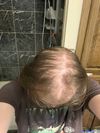
The user is seeking help with using Ell-Cranell for hair loss treatment. They are unsure about the correct application method and dosage. They also inquire about combining microneedling with topical alfatradiol and question a study that referred to alfatradiol as a hair growth inhibitor in male mice.
A user shared progress pictures showing improved hair fullness after 75 days using 2.5mg oral minoxidil daily, 1mg oral finasteride every other day, a 1.5mm dermastamp weekly, and daily scalp massages. They report seeing early positive results.
The conversation discusses hair loss treatments, specifically the use of oral finasteride and topical minoxidil, with the user sharing their two-year progress and routine. The user experienced initial shedding but saw improvements after six months, and they recently started taking dutasteride.
PP405 shows promise in activating dormant hair follicles and increasing hair counts but lacks detailed efficacy data compared to minoxidil and finasteride. Opinions are mixed, with some optimism and skepticism about its effectiveness.
A user sharing their hair restoration results after taking finasteride for 12 months and minoxidil orally for 3 months; other users responding with questions and comments about the treatments used.
GT20029, a new hair loss treatment, shows promising results but only a slight improvement over placebo. People are cautiously optimistic, discussing its potential and combining it with existing treatments like Minoxidil and Finasteride.
A 20-year-old male experienced significant hair regrowth and reduced shedding after four months of using 2.5mg oral minoxidil, 1mg oral finasteride, and weekly 1.5mm derma stamping. He reported no side effects from the treatments and noted increased hair growth in other areas of his body.
A 24 year old male with no family history of balding who has been using minoxidil foam and Redensyl liquid for two months to treat hair loss, posting pictures to document his progress.
The conversation discusses promising hair cloning research seeking commercialization partners. Cultured hairs formed with pigment, indicating positive progress.
The user's 42 month experience using finasteride for hair loss, their opinion on minoxidil use and the potential of pyrilutamide and another Chinese drug as treatments.
The user reviewed the Kiierr 312 MD DualWave Laser for hair loss, using it alongside ketoconazole shampoo, Svvimer products, and oral finasteride. They also mentioned using minoxidil on their face and adjusting lifestyle factors like sleep, vitamin D, and protein intake.
The user shared progress pictures showing hair improvement after using 1mg oral finasteride and topical minoxidil daily for three months. They experienced initial side effects but reported no issues after five weeks, and the conversation includes discussions on the effectiveness and side effects of these treatments.
The user is using 5% minoxidil, 1mg finasteride, and a 1.5mm dermaroller 1-2 times a week for hair growth, noting improved growth speed and density. They avoid applying minoxidil immediately after dermarolling due to skin irritation.
The user experienced significant hair regrowth using oral minoxidil for 2 years and finasteride for 1.5 years, with no side effects reported. They are considering derma rolling and possibly a hair transplant in the future.
A 31-year-old man shared his 2.6-year hair loss treatment progress, using 1 mg of finasteride daily, micro-needling every other week, and biotin vitamins, with no side effects and varying amounts of shedding. Other users discussed their own experiences with hair loss treatments, including the use of oral minoxidil and the long-term effectiveness of finasteride.
Anxious_Bee_67's 4 month progress with a hair loss treatment regimen of 1 mg oral finasteride once a day and topical minoxidil twice a day, which has brought "hope" to others who are fighting the Norwood Reaper. Replies include encouragement for further progress and advice on other treatments that can be used in conjunction with the current ones.
The user shared minimal results from using JXL-069 for hair loss, noting a slight lengthening of vellus hairs and plans to switch to a prodrug variant due to limited effectiveness. They also mentioned using finasteride and minoxidil, which have plateaued in results.
RU58841, an anti-androgenic compound, showed early promise for treating alopecia but faced challenges after its patent in 1997. Despite advancing to Phase II trials, safety concerns and financial struggles led Aventis to abandon its development. Proskelia, which later merged into ProStrakan, couldn't prioritize the drug, leading to its eventual stagnation and failure to reach the market.
A 52-year-old shared positive hair regrowth results after using finasteride for 24 months, with noticeable improvements after 13-14 months, and recently added oral minoxidil to the regimen. Users discussed the effectiveness of combining finasteride, minoxidil, and sometimes dutasteride for better hair growth results.
The conversation discusses the potential use of verteporfin for hair loss treatment, with one user mentioning their surgeon's interest in trying it and another noting its research status and clinical use as a YAP inhibitor. Some users debate the market size, availability of generics, and the optimism in the hair loss community regarding new treatments.
A person shared their hair regrowth journey using HIMS topical treatments with finasteride, minoxidil, hormone replacement therapy (HRT), and microneedling. They also discussed their transition as a transgender woman and the positive impact of HRT on hair recovery.
The user shared progress after two months of using finasteride, serioxyl, and NOOANCE casque Pro for alopecia. They are documenting their hair loss treatment journey.
OrganTech is working on regenerating hair and teeth, with positive results in mice, but skepticism remains about progress for humans. Users express frustration over the lack of advancements in human hair loss treatments, despite ongoing research and trials.
A user shared their experience with hair loss treatment using finasteride (1mg) and minoxidil (1ml), noting significant shedding phases but hoping for improvement. Shedding is a common synchronized effect of the treatment, which may desynchronize over time, potentially taking over 5 years.
How Pyrilutamide, a hair loss treatment, has improved texture and regrowth of hair without any side effects for users, who are encouraged to post progress photos.
The user shared a 2-month progress update using topical finasteride and minoxidil for hair loss. The conversation included comments on the user's appearance and potential side effects.
The safety of combining alfatradiol and fluridil with finasteride as a potential treatment for male pattern baldness, which is approved in the European Union. Other treatments such as minoxidil and RU58841 were also discussed.