A $3 hair oil applicator is recommended for applying minoxidil efficiently, reducing wastage and oily scalp issues. Users discuss cleaning methods and price differences.
The user switched from finasteride and topical minoxidil to oral dutasteride and minoxidil, with plans to add RU58841, to improve hair growth and address a stubborn bald spot. Despite initial shedding, the user noticed thicker, darker hair and plans to continue the treatment or consider a hair transplant.
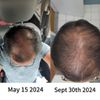
A 51-year-old shared progress on hair regrowth using topical Minoxidil and Finasteride over four months, noting significant improvement and plans for future hair transplants. The user emphasized the benefits of modern treatments and societal changes in attitudes towards hair loss.
Using Tretinoin every other day with daily Minoxidil may help with hair regrowth, and some users find it more effective than daily use. There are concerns about irritation and absorption, but small amounts seem to minimize harm.
A user is experiencing rapid hair loss and has been diagnosed with telogen effluvium by multiple dermatologists, but doubts the diagnosis due to the severity and speed of the hair loss. They are considering various treatments like spironolactone, estradiol, and possibly finasteride, while also exploring the possibility of hormonal imbalances or autoimmune issues.
The user feels treated better with a comb-over than when bald due to cancer. They are considering a hair transplant and using finasteride and minoxidil for hair loss.
OP is using 5% minoxidil and a needler to regrow hair after chemotherapy-induced hair loss. Another user mentions using finasteride and topical minoxidil, noting some improvement in hair density.
The user experienced significant hair regrowth over 8 weeks using oral Minoxidil and Dutasteride, noting healthier and denser hair. They reported no side effects and emphasized the importance of staying consistent with the treatment despite initial shedding.
Sea salt spray may not be ideal for thinning hair, and alternatives like texture powder, thickening tonic, and styling clay are suggested for volume without damage. Some users recommend thickening sprays or mousse for a fuller appearance, while others suggest considering medication for hair loss.
Applying Minoxidil takes users between 10 seconds to 20 minutes, with most finding quicker methods more efficient. Techniques vary from using foam, liquid, or spray, with some users recommending buzz cuts for easier application.
Men wearing wigs should be normalized as it is for women. Treatments like Minoxidil and finasteride are mentioned, but societal norms need to change to accept wigs for men.
Topical dutasteride, especially at higher concentrations, can be effective for hair loss when combined with microneedling to enhance absorption. Users discuss the side effects of finasteride and dutasteride, with some preferring topical treatments to avoid systemic side effects.
A user shared their hair loss journey from 2017 to 2024, detailing the use of finasteride, minoxidil, dutasteride, supplements, and dermarolling. They experienced significant hair loss after stopping finasteride in 2017, saw some regrowth after resuming treatments in 2023, and are considering a hair transplant.
A user shared their 2-month hair regrowth progress using 1mg finasteride daily, 5% minoxidil once daily, 1% nizoral shampoo twice a week, and weekly derma stamping. They reported significant improvement and no major side effects, with plans to consider dutasteride if needed.
A 20-year-old reports worsening hair loss despite using dutasteride and minoxidil, and considers a hair transplant. Users suggest continuing treatments, trying microneedling, ketoconazole shampoo, switching to finasteride, or adding tretinoin.
A user reported using 1.25mg finasteride daily for 9 months with positive hair growth results and increased libido but slower beard growth. Other users commented on the appearance of straightened vs. natural curly hair and potential hair damage from straightening.
KX-826 Pyrilutamide 1% is launching soon, and users are discussing its potential benefits and drawbacks compared to other treatments like Minoxidil and finasteride. Some users are skeptical about its effectiveness, while others are hopeful it will be a safer alternative.
The conversation discusses using topical synthetic prostaglandins like Bimatoprost, Latanoprost, and cetirizine for hair growth. The user shares a link suggesting these treatments may be effective.
A user shared 14-month progress pictures using topical finasteride and minoxidil for hair loss. Others commented on the impressive results and asked about age, improvement timeline, and how to obtain finasteride.
A 20-year-old has been using finasteride for 2 years and switched from 5% to 10% minoxidil, causing issues. The doctor now prescribes 5% minoxidil twice daily, dutasteride on alternate days, and 3 PRP sessions for hair regrowth.
A user is trying 2-deoxy-D-ribose with distilled water for hair growth, observing new hair and skin pigmentation changes. Others compare it to Minoxidil, expressing interest and caution about its effectiveness and safety.
A user is discussing their experience with finasteride for diffuse thinning without a receding hairline, noting a massive shedding phase in the fourth month that is now slowing down. Other replies are off-topic and not relevant to the treatment discussion.
The user experienced hair thinning, possibly due to long COVID and prediabetes, and saw regrowth after dietary changes and using biotin shampoo. They are taking vitamins and noticed significant hair regrowth, especially at the widow's peak.
A 20-year-old lost significant hair after one year of treatment, using minoxidil, finasteride, and later dutasteride. They are considering adding RU58841 but are advised to return to finasteride and minoxidil for a year before deciding.
User shared a 4-month progress update on using minoxidil and 1.5 months on finasteride for hair loss. Reactions were mixed, with some expressing disbelief and others feeling inspired to start treatment.
The user stopped using minoxidil due to headaches, which returned upon resuming the treatment, leading to hair shedding concerns. Alternatives like finasteride and diluted minoxidil were suggested by others experiencing similar side effects.
User shared a 5-month progress update on using topical minoxidil 6% and finasteride 0.05% once daily, with microneedling and vitamins. They experienced initial shedding but no side effects, and increased the treatment to twice daily after month 4.
Hair loss treatments are difficult because hair follicles react differently to hormones and have varying growth cycles. Treatments mentioned include Minoxidil, finasteride, and RU58841.