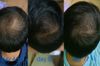
The conversation discusses hair regrowth results after using finasteride, minoxidil, and dermarolling for four months. Users inquire about dosages and when results were first noticed.
A user shared their experience with hair loss treatment using finasteride (1mg) and minoxidil (1ml), noting significant shedding phases but hoping for improvement. Shedding is a common synchronized effect of the treatment, which may desynchronize over time, potentially taking over 5 years.
A user shared their long-term struggle with hair loss and various treatments, including Minoxidil, biotin, and dermarolling. They also discussed a disappointing experience with a hair health institute that provided dubious recommendations and expensive remedies.
GT20029 and KX826 are promising hair loss treatments, with GT20029 increasing hair count and KX826 showing significant results. KX826 may be a good alternative for those who can't use finasteride or dutasteride, though results vary.
The user shared progress pictures showing hair regrowth over 4.5 months using 1.25mg finasteride daily and 2.5mg oral minoxidil daily, with no side effects reported. Commenters complimented the early treatment initiation and positive results.
A user shared their 4-year hair regrowth journey using 1mg finasteride daily and 5% minoxidil daily, reporting no side effects and noticeable improvement after 6 months. They also use a derma roller to help distribute the minoxidil foam.
A user shared their successful hair loss regimen, which includes New Nordic Hair Gro vitamins, Shea Moisture Jamaican Black Castor Oil Leave-In Conditioner, and NAC supplements. They reported reduced hair shedding, thicker hair, and improved hair texture.
People are discussing experiences with finasteride for hair loss after being on testosterone for over two years. Users report varying results, with some experiencing regrowth and no side effects, while others emphasize the importance of starting treatment early to prevent further hair loss.
A 20-year-old user experienced significant hair regrowth after using 5% minoxidil foam and finasteride for four months, starting to see results after two months with no side effects. They also cut off damaged hair ends, wash their hair every other day, and advise managing stress to improve hair loss outcomes.
The user shared progress pictures and experiences after nearly three years of using 1mg finasteride daily, cicloprox shampoo, and weekly jojoba oil massages. They reported initial shedding and side effects but eventually saw increased hair density and regrowth, with plans to continue the treatment.
The conversation discusses a new model for understanding androgenetic alopecia (AGA), linking it to dietary and lifestyle factors similar to PCOS, and highlighting the role of DHT, vascular damage, and inflammation. Treatments mentioned include Minoxidil, finasteride, and RU58841.
The user has been managing hair loss with microneedling, Nutrafol, topical finasteride/minoxidil foam, LLLT, and Nizoral, and plans to add oral minoxidil. They are seeing improvement and are cautious about using oral finasteride due to past gynecomastia concerns.
A user shared their positive experience with MoriTint, a Korean scalp micro pigmentation technique that enhances the appearance of hair density without being permanent. They now offer this service in Los Angeles and emphasize its benefits for those with thinning hair, while clarifying it is not suitable for those with significant hair loss or baldness.
A 24-year-old shares 4-month progress using finasteride, minoxidil, and microneedling for hair loss. They report positive results and plan to update in a few months.
A user shared their experience with hair loss treatments, including finasteride, topical finasteride, derma rolling, melaleuca oil, caffeine powder, topical vitamin D, keto shampoo, and revive shampoo. They also changed their diet to address psoriasis and leaky gut.
A user with stage 1 hair loss is inquiring about the release date of GT20029, hoping to use it instead of Minoxidil and finasteride, as they believe it has better results. They want to know if it will be available in the next couple of years.
The user experienced side effects from finasteride and is considering adding Alfatradiol or Fluridil to their regimen, which includes Minoxidil, dermarolling, and ketoconazole. Fluridil is noted to be more effective than Alfatradiol but less effective than finasteride, with mild side effects reported.
A user's progress with treating hair loss over 3.5 months, which involves taking finasteride MWF, minoxidil daily and microneedling once a week. There was positive feedback from other users regarding the results.
A 25-year-old is starting finasteride to address hair loss, having previously used minoxidil and other treatments. Users discuss experiences with finasteride, including initial shedding and side effects, while offering advice and support.
The conversation discusses the safety and effectiveness of continuing or adding RU58841 after stopping finasteride for hair loss treatment. One user expresses skepticism about using RU58841 due to the lack of full human trials.
A user added sandalore to minoxidil for hair loss, observing some vellus hair growth and less scalp inflammation. Others tried sandalore with mixed results, discussing dosage and effectiveness compared to minoxidil and finasteride.
PP405 is a potential hair loss treatment that inhibits mitochondrial pyruvate carriers, increasing lactate dehydrogenase activity and stimulating hair follicle stem cells. In a phase 1 trial, 31% of participants showed over 20% hair density increase with PP405 treatment.
The conversation is about hair shedding experienced while using finasteride (fin) for hair loss treatment. Users discuss their experiences with finasteride, minoxidil (min), and other treatments, noting that shedding is often a sign that the treatment is working.
A 29-year-old male is experiencing positive hair regrowth after 3 months using oral finasteride (1mg) and topical minoxidil (1ml twice daily), despite side effects like scalp itchiness and dandruff. He plans to continue the treatment long-term and may switch to foam minoxidil to alleviate scalp issues.
The conversation is about someone planning to start finasteride for hair loss and wanting to interpret pre-treatment blood panels to assess the risk of side effects like gynecomastia. They list various tests to measure hormone levels and other health indicators.
The user shared progress after 7 months of hair loss treatment using topical minoxidil with finasteride, oral minoxidil, microneedling, LLLT laser cap, and scalp massage. They reported thicker, denser hair with no significant side effects.