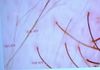
Hair loss progress discussed with 4.5 months on topical fin (0.025% liposomal). User uses rosemary oil for scalp health, and others think there might be some thickening or maintenance.
People discuss taking finasteride and dutasteride with various drinks, noting that water is common, while some avoid grapefruit juice. Opinions vary on whether the choice of beverage affects drug absorption.
A 26-year-old male shares his hair loss journey, using finasteride and fish oil daily since the pandemic. He briefly tried biotin and microneedling but stopped due to inconvenience.
The conversation discusses using GFM Gel, a topical gel with polypeptides that mimic growth factors to promote hair regrowth and strengthen hair. It also mentions treatments like Minoxidil, finasteride, and RU58841 for hair loss.
A user experienced high estrogen levels after 10 months of taking 1mg oral finasteride but is happy with hair regrowth. They are considering switching to topical finasteride and are also taking DIM and Zinc supplements.
User experienced hair loss after weight loss and started using finasteride 1mg and a multivitamin called HAIRGRO. They noticed increased oily skin and sebum production and are unsure if they should continue the multivitamin.
A new alcohol-free, propylene glycol-free topical finasteride foam is available for prescription in Canada and the USA, offering a cleaner alternative for hair loss treatment. The product also offers a combination of 0.1% finasteride with 5% minoxidil and aims to be affordable and less irritating for sensitive scalps.
The conversation discusses how different factors can stimulate type 1 and type 2 isoforms of 5-alpha reductase, which are enzymes linked to hair loss. Specific treatments mentioned include oral Dutasteride and topical Finasteride.
The conversation is about creating a topical finasteride solution without minoxidil, using an alcohol-based base like ethanol. The discussion includes using finasteride in powder form and mentions adding ingredients like glycerol, salicylic acid, or castor oil.
The conversation is about obtaining alfatradiol in Canada, specifically in Quebec, and whether it requires a prescription or can be bought online. A user suggests ordering it from a specific website.
A user is seeking advice on creating a homemade finasteride foam similar to over-the-counter Minoxidil foam, due to issues with glycerin and propylene glycol in their current solutions. They are considering using a mixture of ethanol/alcohol and water for the foam.
Folligenz liposomal minoxidil sulfate is being discussed for its effectiveness and cost, with users comparing it to regular minoxidil and tretinoin. One user found no difference with the 10% version and noted that a lower tretinoin percentage reduced side effects like skin peeling.
The user has been using 1mg finasteride and biotin-collagen supplements for 5 months, noticing some progress in hair regrowth. They also use various oils and shampoos, plan to start oral minoxidil, and seek advice on improving their hair care routine.
The post and conversation discuss using coconut oil and castor oil for hair regrowth over 1.5 years. Some users suggest using finasteride, minoxidil, and RU58841 for better results, while others prefer natural oils to avoid side effects.
Female (37) experiencing hair loss for 5 years, tried max dose of spiro and oral + topical minox without success. Discovered low cortisol and low DHEA levels, seeking functional medicine practitioner for help.
The conversation is about obtaining a finasteride prescription through Lemon Aid Health. The user is exploring the process and alternatives for getting the prescription sent to a pharmacy.
A user is experiencing scalp flaking from a finasteride/minoxidil topical solution and considers using salicylic acid shampoo to remove propylene glycol residue. Another user suggests trying a leave-in conditioner to address dryness and flaking.
A user gained 10-12 kg after starting finasteride but found their estrogen levels to be within the normal range. They are concerned about potential gynecomastia but are reassured by their lab results.
Pyrilutamide is a selective AR antagonist with a high binding affinity, making it effective in competing with DHT for androgen receptors. The 1% concentration is more effective than the 0.5%, but the latter may suffice for mild hair loss; the drug is considered a good option for those avoiding 5AR blockers due to side effects.
A user shared their 15-month hair regrowth progress using finasteride, minoxidil, biotin, increased protein intake, and derma rolling. They also improved their lifestyle by working out, quitting smoking, drinking less, and getting better sleep.
A user is considering using 70% isopropyl alcohol with glycerin as a carrier for topical finasteride for hair loss but is concerned about its safety compared to ethanol. They are unsure where to buy ethanol without toxic methanol.
The conversation is about recommending a biotin supplement that includes saw palmetto and possibly copper for hair loss. The user is seeking suggestions for these specific ingredients.
The user is using finasteride 1mg every other day and seeks a topical solution excluding minoxidil. They are considering various combinations of ingredients like finasteride, dutasteride, and tofacitinib, with options for nourishing oils and other additives.
Glycine supplementation may increase 5-alpha reductase activity, potentially affecting hair loss. Users discuss its impact on hair fall and its role in the body.
The user is using 0.1% dutasteride, 1% minoxidil with 2% procapil and 0.005% caffeine in the morning, and 1% minoxidil with 2% procapil and 0.01% tretinoin at night. They are concerned about the solution vehicle's effectiveness in preventing systemic absorption and ensuring the products stay around the hair follicles.
Finasteride has no effect on the user's estradiol levels, and body fat may influence aromatization. The user is on testosterone replacement therapy and uses everyday injections to manage high RBC count, with plans to measure DHT, DHEA-S, and pregnenolone levels.
A user is experiencing temple hair recession and is seeking alternatives to finasteride. They are considering castor oil, coconut oil, and derma rolling, and have seen some improvement with Zenegen.
Vitamin D deficiency is linked to hair loss, and supplementation with vitamin D can improve conditions like androgenic alopecia and telogen effluvium. Users discussed various dosages of vitamin D, emphasizing the importance of getting blood tests to determine the appropriate amount.
Biotin is being misleadingly marketed as a primary treatment for androgenic alopecia, overshadowing more effective treatments like finasteride and minoxidil. There is a call for increased awareness and accountability to prevent misinformation.