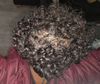
User experienced hair regrowth after 5 months on oral minoxidil and finasteride. Others praised the impressive results and mentioned the importance of combining treatments for best results.
A user's 2.5 year transformation of using 0.5mg finasteride and RU58841 to combat hair loss, with the possibility of increasing the RU for further regrowth.
Finasteride made the original poster feel better, with increased energy and less frequent urination, but they were advised to see a doctor due to potential prostate issues. Some users reported positive effects like increased libido and reduced anxiety, while others experienced negative side effects like brain fog and erectile dysfunction.
Creatine might increase hair loss due to increased DHT sensitivity, but evidence is mostly anecdotal. The user is using oral minoxidil for hair loss and is cautious about starting creatine.
The conversation is about the side effects of finasteride, including Post Finasteride Syndrome, with varied personal experiences and differing views on the credibility of information sources. Some participants also discuss using minoxidil as a hair loss treatment.
HMI-115, a newly discovered hair loss treatment that could potentially be effective for those with diffuse thinning and telogen effluvium. It is based on prolactin receptor antagonist signaling and has already undergone Phase I trials in women, with potential commercialization by 2027.
A 28 year old man's 18-month journey to treat his hair loss with Dutasteride, RU58841, Minoxidil, Microneedling, Nizoral and T/GEL. He experienced some side effects along the way, including translucent semen and scalp less oily.
Hair loss treatments like Minoxidil, finasteride, and RU58841, focusing on their effectiveness and side effects. It also highlights the disparity in medical research funding between hair loss and conditions like endometriosis.
A 36-year-old man shared his 1.25-year progress using oral finasteride, oral minoxidil, RU58841, microneedling, nizoral, and LLLT for hair regrowth. He is thrilled with the results and considering a hair transplant for increased density.
A user was prescribed 5mg of Finasteride daily for hair loss, which is a higher dose typically used for prostate issues. Many suggest using a pill cutter to reduce the dose to 1mg or less per day, as it is more cost-effective and equally effective for hair loss.
Fatty liver and related issues may influence hair loss conditions like Dupa/Aga. Treatments discussed include Minoxidil, finasteride, RU58841, myo-inositol, and L-glutamine.
The user is experiencing hair loss and is considering using topical minoxidil and finasteride due to concerns about liver health, specifically elevated ALT levels from fatty liver. They are advised to start with topical treatments while continuing weight loss and dietary changes to improve liver function.
Long-term use of finasteride and dutasteride may be linked to health risks like fatty liver disease, insulin resistance, type 2 diabetes, dry eye disease, and potential kidney disease. Some users believe the risks are low and the medications are generally safe.
Finasteride may affect liver function and cortisol levels, potentially linking it to non-alcoholic fatty liver disease (NAFLD). More research is needed to understand this connection fully.
Hair loss can be influenced by nutritional deficiencies, particularly low Vitamin D and fatty liver, and improving nutrition and lifestyle can strengthen hair. Treatments suggested include regular exercise, a balanced diet, vitamin supplements, and coconut oil massages, while acknowledging that hereditary factors may also play a role.
Taking Propecia (finasteride) with olive oil is unnecessary because it is water-soluble and already has high bioavailability. Dutasteride tablets should be taken with something fatty like olive oil to improve absorption.
The user experienced severe hair shedding despite using oral finasteride, minoxidil, dutasteride, and RU58841, and was diagnosed with Non-Alcoholic Fatty Liver Disease (NAFLD). They are considering switching to topical treatments due to the ineffectiveness of their current regimen.
User experienced high E2 levels after taking finasteride and sought advice on lowering E2 with supplements like Tonkat ali, Fadogia, and Boron. They also used DIM, zinc, and magnesium but avoided using an AI.
Switching from 1mg finasteride to dutasteride, with users recommending starting at 0.5mg daily. Some users prefer capsules, while others use tablets, citing effectiveness and regulatory approval in Asia.
The user experienced hair regrowth after 5 months using Minoxidil and PRP treatment. They also took various supplements and adjusted their diet to address deficiencies and support hair health.
The conversation discusses hair loss treatments, specifically oral minoxidil (2.5mg), dutasteride (0.5mg every other day), and ketoconazole. The user reports slow progress but significant hair growth after adding ketoconazole to their routine.
After 4 months of using topical finasteride and minoxidil, blood tests showed increased E2, Test, and Prolactine levels. The user is concerned about potential side effects like gyno and is seeking advice on managing these values.
A user is upset about hair loss due to seborrheic dermatitis and DUPA, which prevents a hair transplant. They mention using jojoba oil and discuss treatments like Minoxidil, finasteride, and RU58841.
User tried DIY Dutasteride Mesotherapy for hair loss due to unsatisfactory Finasteride results. Used mesotherapy injection gun and liquid dutasteride for better results and fewer side effects.
A user stopped using finasteride due to reduced efficacy and health concerns, and is considering minoxidil and DHT-blocking shampoos for hair loss. Another user responded that DHT-blocking shampoos are ineffective.
Male pattern baldness (MPB) may be an early warning sign for type 2 diabetes due to its association with insulin resistance. Treatments discussed include testosterone therapy and finasteride, which affects hormone levels related to hair loss and insulin sensitivity.
The user has been taking finasteride for a year, experiencing no major side effects except watery semen, and has noticed healthier, thicker hair with some regrowth but mostly maintenance. They also use Nizoral for dandruff, take supplements like D3 and fish oil, and plan to continue finasteride while waiting for new treatments.
PP405 is discussed as a potential treatment for hair loss, with excitement about its promise but skepticism about its current effectiveness. Users mention combining it with treatments like minoxidil, finasteride, and microneedling, but emphasize it is not a cure.
The conversation discusses skepticism towards unconventional hair loss remedies, emphasizing the effectiveness of proven treatments like oral DHT blockers, topical minoxidil, and finasteride. It criticizes misleading advice and highlights the importance of starting effective treatments early.