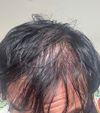
User with shoulder-length hair using Finasteride for 5 weeks notices less long hairloss but more short hairloss. They also use keto for sebderm and vitamin D3.
A 38-year-old with type 4c hair has experienced significant hair regrowth using oral finasteride and topical minoxidil for a year. They are concerned about potential shedding from a new hair growth serum and oil product, despite their current treatment.
A 20-year-old experiencing hairloss was diagnosed with androgenetic alopecia and prescribed finasteride, minoxidil, and multivitamin/zinc pills. They are considering starting finasteride and minoxidil daily to maintain their hair and stop further loss.
A 24-year-old male experienced side effects like low libido and ED after starting finasteride post-hair transplant and is seeking alternatives to reduce scalp DHT. Suggestions include topical finasteride, Xpecia, DHT-reducing shampoos, and switching to dutasteride, with some users reporting fewer side effects with these alternatives.
OP is experiencing ongoing hair shedding despite two years on finasteride, with some initial improvement but no long-term success. Users suggest seasonal shedding, checking for vitamin deficiencies, considering minoxidil, and possibly switching to dutasteride.
Dutasteride may reduce scalp oil and itchiness more effectively than finasteride, with some users experiencing drier skin and improved hair thickness. Users report varying results, with some noticing benefits after switching from finasteride to dutasteride, while others use a combination of treatments including minoxidil.
The conversation discusses a hairloss and scalp care routine involving ciclopirox shampoo, benzoyl peroxide, clindamycin gel, clobetasol propionate, and calcipotriol to manage seborrheic dermatitis, folliculitis, and inflammation. It also touches on the role of diet and other treatments like oral minoxidil and pioglitazone for scalp health.
Hairloss treatments, such as minoxidil, finasteride, microneedling, ketoconazole shampoo and vitamins D3 and Omega 3, which appear to have been successful in regrowing hair on a user's temples that had been slick bald for 8-9 years.
A 27-year-old woman experiencing significant hairloss is using spironolactone, Nizoral shampoo, and betamethasone valerate. She questions the effectiveness of these treatments and whether she should seek another dermatologist.
The conversation discusses using hair follicle dermal papilla exosomes for hairloss treatment. It inquires about purchasing options for this treatment.
A 20-year-old is experiencing severe hairloss and is considering using dutasteride and finasteride, worried about potential side effects. They feel depressed and isolated due to hairloss, and are exploring options like hair transplants and hair systems but are hesitant about faking it.
A 25-year-old woman has been losing hair for 10 years despite normal thyroid, hormone levels, and B12 supplementation. She has used Minoxidil with limited success and is considering hair transplants, Propecia, or shaving her head and wearing wigs.
The user is seeking recommendations for the best shampoo and conditioner for hairloss, excluding ketoconazole, and is currently taking finasteride 1mg. They are also curious if hair products can still be used alongside hairloss treatments.
The conversation discusses whether someone with a naturally large forehead and widow's peak can get a hair transplant and start finasteride early. It also mentions a surgery to lower the hairline as an alternative.
The user is using topical finasteride and minoxidil daily and has had a hair transplant, but their hair remains thin. They are considering using dutasteride to address the issue.
The user has been using finasteride for 6 months, experiencing hair regrowth at the hairline but thinning at the top and back. They are considering adding minoxidil to their routine to address the thinning and are concerned about potential shedding.
A 27-year-old man is fighting hairloss using oral finasteride, oral and topical minoxidil, nizoral shampoo, microneedling, argan oil with rosemary extract, and plans to add RU58841 and The Ordinary hair peptide serum. He seeks advice on combining these treatments and will document his progress.
A user with diffuse hairloss after taking accutane, which might have triggered genetic predisposition to AGA; their experience taking finasteride and experiencing side effects of increased oil production, increased sex drive, worsening hair texture; they are considering zinc supplementation with finasteride or other treatments such as alfatradiol or spironolactone.
BigLu2012 tried various hairloss treatments for 3 years, including Fin, Min, and RU, but experienced side effects and worsening hair condition. Ready-Character1581 suggested focusing on mental health and not stressing about hair, as it looks better than most.
A 21-year-old male shared his extensive hairloss treatment protocol, which includes Dutasteride, RU58841, Ketoconazole shampoo, oral Minoxidil, pyrilutamide, MK677, dermastamping, and castor oil, and reported improved hair regrowth and overall well-being. He has experienced no side effects and has also improved his diet and lifestyle.
A 43-year-old noticed significant hair thinning and is using topical minoxidil, dermarolling, Alpecin, biotin, zinc, copper, vitamin D, and rosemary oil. They plan to see an endocrinologist and have blood tests scheduled to investigate further.
A 19-year-old shares his hairloss experience and treatment routine, which includes 1mg finasteride daily, 2mg oral minoxidil daily, ketoconazole shampoo every 2 days, and a healthy lifestyle. He notes that oral minoxidil is showing better results than topical minoxidil.
The conversation is about finding effective hairloss shampoos with active ingredients like ketoconazole, caffeine, saw palmetto, or zinc pyrithione. The user seeks recommendations on effective products, side effects, scalp sensitivity, and usage frequency.
User is experiencing increased sebum, dandruff, and acne after taking a supplement containing biotin, iron, zinc, and calcium pantothenate along with finasteride. They are questioning if biotin is the cause and whether they should stop taking it.
David Barreto shared that a London-based research group is conducting a 12-month trial for a new nutraceutical treatment for pattern hairloss, designed with Dr. Carlos Puig. The trial aims to provide robust data, with results expected in 1-2 years, potentially representing a significant advancement since finasteride’s introduction in 1997.
The user experienced significant hair regrowth using 1mg finasteride every other day, 5% minoxidil twice daily, and ketoconazole shampoo. The progress was noted as impressive, with some users questioning the authenticity of the results.