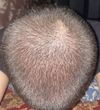
The user experienced significant hair regrowth using 1mg of finasteride three times a week, with mild side effects like gynecomastia and breakouts. They are considering starting minoxidil.
The FDA policy change may speed up approval for hair loss drugs like PP405, VDPHL-01, and Breezula by potentially eliminating the need for a second confirmatory Phase 3 trial. Approval timelines could be as early as 2028 for some treatments if Phase 3 results are strong.
Finasteride users cannot donate blood due to potential risks to pregnant women, requiring a one-month cessation before donating. Dutasteride requires a six-month deferral, and topical applications are not restricted.
Promising hair loss treatments in clinical trials include Pyrilutamide, GT20029, CB-03-01, and PP405, with potential market releases between 2027 and 2029. Hair cloning remains experimental and expensive, while existing treatments like finasteride, minoxidil, and microneedling continue to be used.
The user is experiencing gradual hair growth using 5% minoxidil, 0.01% finasteride, vitamins, capixyl serum, niacin, and weekly microneedling, with plans to increase finasteride dosage. Despite some side effects, they remain optimistic about hair transplant results, focusing on the crown and temples.
The user is happy with their 2-month progress using a 3-in-1 oral tablet containing finasteride, minoxidil, and biotin, with minor side effects like slightly lower libido. They report no significant issues like breakouts and note that oral treatments are more effective than topical ones.
Pelage Pharmaceuticals received $120 million in Series B funding for hair loss treatment development. The conversation expresses excitement and anticipation for the release and effectiveness of the treatment.
Biotin may strengthen existing hair and reduce hair loss, but it doesn't promote new hair growth. Some users report stronger, darker hair, while others see no benefits or experience acne.
The user is considering a hair transplant and is using topical finasteride, minoxidil, antiandrogens, ketoconazole shampoo, and serenoa repens. They are deciding between surgeons Dogan Turan and Bruno Pinto, and are concerned about the technique and potential complications due to diffuse hair loss.
User experienced hair growth after 1.5 months using Fin, 1 month using Min, and microneedling. They use liquid Rogaine twice daily, microneedle with a .4 mm dermaroller, and take oral Fin once a day.
The user has been using oral minoxidil (5mg), finasteride (1mg), and biotin for 4 months with minimal progress in hair regrowth. Other users suggest patience, considering alternative treatments, and note that biotin may not significantly contribute unless there's a deficiency.
The conversation is about the use of peptide therapies for hair loss, specifically GHK-CU, ZN-Thymulin, and PTD-DBM. The user is seeking feedback on the effectiveness of these treatments from those who have tried them.
Concerns about CosmeRNA safety mechanisms and potential side effects. Discussion includes comparisons to Fluridil and questions about nanoparticle specificity and siRNA stability.
A 27-year-old male with ADHD is experiencing hair thinning and is starting a treatment with topical finasteride (0.025%) and minoxidil (5%). He is addressing high prolactin levels and low vitamin D, while managing side effects from ADHD medication.
A new drug, PP405, is being discussed as a potential cure for baldness, with hopes it could be more effective than Minoxidil and Finasteride. Users are skeptical about its effectiveness and the need for lifelong use.
A 50-year-old man shared his 3-month hair regrowth progress using a regimen of Nutrafol, Minoxidil/Dutasteride pills and topical solution, dermastamping, and Nizoral shampoo. He noticed significant improvement and received positive comments, despite some increased body hair growth.
GT20029 and KX826 are promising hair loss treatments, with GT20029 increasing hair count and KX826 showing significant results. KX826 may be a good alternative for those who can't use finasteride or dutasteride, though results vary.
The conversation discusses hair regrowth after 5 months of using finasteride and minoxidil, along with 3 sessions of laser therapy and exosomes. The user is hopeful about regaining their bangs.
The user is sharing their progress with hair loss treatments including finasteride, minoxidil, keto shampoo, and dermastamping. Other users are expressing positive reactions and discussing the benefits of keto shampoo and minoxidil.
A 41-year-old man shared his two-year progress using finasteride for hair regrowth, noting significant improvement but wishing he had started earlier. He plans to add oral minoxidil to his routine despite concerns about potential side effects, emphasizing the importance of starting treatment early to combat hair loss.
A nearly 50-year-old male achieved significant hair regrowth and thickening over three years using daily finasteride, twice-daily topical minoxidil, and bi-weekly microneedling with a dermastamp. He experienced no side effects and found microneedling particularly effective for the crown area.
Hyperbaric Oxygen Therapy (HBOT) is discussed as a potential treatment for androgenic alopecia due to its ability to reverse hypoxia and promote angiogenesis. The conversation explores its potential benefits for hair loss, though no studies have been conducted on this application yet.
The post discusses a user's hair loss treatment routine, which includes daily 1mg finasteride, twice daily topical rogaine, biotin vitamin intake, and a new microneedling regimen of 0.5mm three times a week. The user is turning 24 next month.
A 27-year-old male started using finasteride in February 2023 for hair loss, experiencing significant progress with no side effects. He is considering adding oral minoxidil or getting a hair transplant, but is concerned about the cost in the Netherlands.
A 26-year-old man has seen hair regrowth after one month of using oral finasteride (1.1mg), minoxidil (3mg), and biotin daily, along with weekly ketoconazole shampoo and plans to add derma stamping. He reports minimal side effects and attributes an increase in libido to starting exercise, not the hair loss treatments.
KY19382, a promising compound for hair loss, is not widely discussed or used. One user is currently testing it and plans to share results in a few weeks.
DHT causes hair loss by driving cells into senescence, and a polyphenol in black chokeberry may reverse this. A product using this theory is being considered for use alongside finasteride, minoxidil, and microneedling.
The user experienced significant hair regrowth and reduced hair loss using finasteride 1mg daily and minoxidil 5% twice a day. Finasteride stopped 90% of hair loss and thickened hair, while minoxidil regrew hair, with minimal side effects reported.
New product Tomorrowlabs HSF targets hair loss through HIF pathway indirectly by removing scalp iron. Minoxidil and Stemoxydine also relate to HIF pathway.