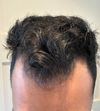
The conversation is about frustration over the delay in phase 2 results for a hair loss treatment called GT20029. One user suspects the treatment may have failed.
A user is experiencing side effects like less hard erections and sensitive nipples while on finasteride, with bloodwork showing high prolactin levels. They are seeking suggestions to address the prolactin issue.
A user shared their 3-month hair growth progress using 1mg oral finasteride, 5% topical minoxidil, and microneedling with a 1.5 mm dermaroller twice weekly. The user received positive feedback and expressed a desire for thicker hair in the future.
DLQ01, a prostaglandin F2α analog, shows promise for hair growth by directly stimulating PGE2/PGF receptors without needing conversion, and can be combined with minoxidil and retinoids like tretinoin for enhanced effectiveness. Minoxidil's efficacy may be reduced by COX-1 inhibitors, but using prostaglandin analogs like Latanoprost or Bimatoprost can help maintain its effectiveness.
The user reports noticeable hair growth after 5 weeks using finasteride, minoxidil, dermarolling, and ketoconazole. They seek confirmation of their progress and question if they are a hyper responder.
Alfatradiol is often discussed at a 1% concentration, but studies typically use 0.025%. Some users report success using it as a topical treatment alongside other hair loss treatments like finasteride.
The conversation is about a user's 3-month hair regrowth progress using finasteride, minoxidil, and a 0.5mm dermaroller, with recent addition of caffeine shampoo. Users are responding positively and inquiring about application methods.
A user underwent a 3750 graft hair transplant in Turkey, initially promised 4500 grafts, and is satisfied with the results despite some concerns about donor site size and crown coverage. The user has been on medications like finasteride and minoxidil for about four months and may consider a second transplant in the future.
The user is concerned about low DHT levels due to using saw palmetto in Foligain supplements and is considering trying finasteride. They seek advice on whether finasteride will also lower DHT and how to manage DHT levels.
The post discusses a user's successful hair regrowth using finasteride, dutasteride, topical minoxidil, and estrogen over nine months. The user, who is male-to-female (mtf), reports significant regrowth and no side effects beyond typical hormone replacement therapy effects.
The conversation is about the anticipation of results for a hair loss treatment study, specifically for GT20029, with expectations for the results to be released in the first quarter of 2024. No specific treatments were discussed.
A user who has seen improvements in their hair loss after taking finasteride and minoxidil once a day for 5 months. Other users offered advice and support, with some cautioning about potential side effects of the treatments.
GT-20029 is discussed as a potential hair loss treatment, with concerns about its safety and systemic absorption compared to finasteride. Users express skepticism about its effectiveness and safety, noting that it may not surpass existing treatments like finasteride and minoxidil.
The user reported gradual hair regrowth after 4 months using oral finasteride, topical minoxidil, dermastamping, and vitamins C and D3. They noted the use of a 1.25mm dermastamp and discussed sourcing finasteride in Canada.
The user experienced hair loss and started using minoxidil (5%) and finasteride (0.5 mg daily) with inconsistent application but still saw noticeable improvements by the end of January. They use the liquid form of minoxidil.
A trans man is experiencing hair loss due to testosterone therapy but is unwilling to stop the treatment despite concerns about using finasteride. The individual is distressed about balding at a young age but acknowledges it is genetic.
The conversation is about a user's 6-month progress using topical Minoxidil (5%) and oral Finasteride (2.5 mg) for hair loss, emphasizing consistency for results. The user reports some side effects like mental fog and increased body hair but no significant changes in libido.
The user experienced side effects from ecklonia cava similar to those reported with finasteride, including depression, brain fog, anxiety, and testicular pain. Despite these issues, the user is still considering using topical finasteride in the future.
User made progress with hair loss using Fin, Min, and microneedling. Experienced side effects like improved skin, brain fog, and memory issues, but adjusting Fin dosage helped.
A user underwent a 2,550 FUE hair transplant and started taking dutasteride 0.5mg. They previously tried RU58841, minoxidil, and microneedling but avoided finasteride and dutasteride due to side effects.
The user plans to start a 12-month finasteride treatment to combat aggressive hair loss, with regular monitoring of thyroid levels, testosterone, DHT, liver enzymes, PSA, and iron levels. They seek advice on additional monitoring and aim to balance results with minimal side effects.
A 29-year-old man had a successful hair transplant at Dr. Ulusan Clinic in Izmir, Turkey, receiving over 4600 grafts and exosome injections. He started using finasteride and minoxidil daily a month after shaving his head, which improved his confidence and outlook on life.
Finasteride did not improve hair loss and seemed to accelerate it, particularly on the forehead. The user is considering stopping the medication due to these negative effects.
A 42-year-old male shared his 1.5-year hair regrowth progress using 1.25mg finasteride daily and regular doses of minoxidil twice a day, and recently started using the Derminator 2. He also mentioned his battle with cancer and Cushing's syndrome, which affected his weight and hair.
A user has been taking finasteride 1mg for 10 years without side effects but is concerned about high estradiol levels affecting weight loss. Another user suggests using estradiol blockers under medical supervision to manage the levels.
The user shared their experience with Finasteride and Dutasteride for hair loss. They initially had success with Finasteride but switched to Dutasteride after experiencing shedding, which continued, and are now considering a hair transplant.
The post is about a user sharing progress pictures of their hair loss, comparing the appearance of their crown before and after using finasteride for 1 week to 4 months. The user also mentions using minoxidil and starting microneedling.
The conversation discusses potential advancements in two hair loss drugs, KX-826 and GT20029, and the interest in whether transitioning from oral finasteride to these drugs would maintain hair growth. One reply expresses skepticism about the compounds' representation.
Finasteride is not a miracle drug; results vary widely, with only 2/5 getting good results. Combining treatments like minoxidil and finasteride may help, but expectations should remain low.