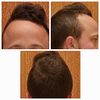
Hair loss treatments like minoxidil, finasteride, dutasteride, and RU58841. Users stress early prevention and discuss challenges with different hair loss patterns.
The user is experiencing hair regrowth and increased hair thickness after using supplements like biotin, zinc, selenium, and a complex with various natural ingredients, along with topical caffeine. They are considering using topical minoxidil and mesotherapy in the future.
The user is happy with the results of using 1mg finasteride daily for three years, reporting stopped hair loss and mild regrowth without side effects. They avoid minoxidil due to concerns about application and potential risks, and they use 2% nizoral shampoo weekly.
The user has been using finasteride for 18 months and minoxidil for 3 months to address hair loss, experiencing increased shedding and questioning the effectiveness of these treatments. They also tried rosemary oil with minimal results and are seeking advice on whether the shedding is normal and if minoxidil is effective.
A 31-year-old individual started taking finasteride 24 days ago to address hair thinning and loss, which has worsened their mood and stress. They have not yet added minoxidil and are experiencing significant shedding, contributing to sleep issues and insecurity about their hairline.
Finasteride changed the user's hair texture from wavy to curly, reverting after stopping. Minoxidil was more effective for temple hair regrowth than finasteride.
The conversation humorously suggests using immunosuppressants like ciclosporine and oral minoxidil for hair regrowth, with a satirical plan involving hair transplants from family members. It highlights the side effects and impracticality of such treatments, emphasizing the post's satirical nature.
Spironolactone can remain effective for a long time in treating androgenetic alopecia, but it may not completely stop hair loss. Hair loss treatments like spironolactone, finasteride, and dutasteride slow down hair loss rather than cure it, and their effectiveness can vary based on individual response and the aggressiveness of the condition.
There is no consensus on how long to wait after dermarolling before applying Minoxidil, with some applying immediately and others waiting up to 24 hours. Users report varying experiences with side effects, and some also use finasteride or dutasteride in their hair loss treatment routines.
A 22-year-old switched from finasteride to dutasteride for hair loss treatment, also using RU58841, and is managing hypothyroidism. Despite ongoing shedding, they report some improvement and plan to continue dutasteride for a year before considering minoxidil.
A 28-year-old woman with genetic hair loss has tried various treatments, including oral minoxidil, finasteride, dutasteride, vitamins, ketoconazole shampoo, exosome needling, and hair extensions. She plans to pause treatments for pregnancy and is concerned about potential hair loss during that time.
A 26-year-old male started minoxidil treatment for male-pattern baldness and saw significant regrowth in three months. He is considering finasteride but is hesitant due to potential side effects.
A user reported significant facial aging after using minoxidil for hair loss, despite a good skincare routine and healthy lifestyle. They plan to switch to dutasteride and possibly stop minoxidil.
A 22-year-old has seen hair density improvement after using oral minoxidil 2.5mg daily for 7 months and also uses rosemary mint oil weekly. Others suggest finasteride for long-term results, question minoxidil's effectiveness without finasteride, and mention alternatives like microneedling.
The user has been using 1mg finasteride every other day, 5% minoxidil daily, and microneedling every two weeks for three months to treat hair loss. They are happy with the progress and considering adding ketoconazole shampoo to their routine.
A 21-year-old used 1.25mg finasteride and minoxidil twice daily for hair regrowth, reducing finasteride to 5 times a week since September. He also started using Nizoral for dandruff, noticed an increased appetite, and experienced a temporary change in sex drive.
The conversation discusses whether stemoxydine needs to be used for life for hair loss treatment. One user suggests that stemoxydine does not require lifelong use and can make hair exit the resting phase faster, but the benefits may be temporary.
This conversation discusses the potential benefits of using oral minoxidil and finasteride to treat hair loss, with some users sharing their own experiences in taking the medications. Others express concerns about the safety of these treatments.
A user's 6-month journey to treat their hair loss using 1mg finasteride twice daily, topical minoxidil, vitamin D3, keto diet, and microneedling. They experienced shedding at the end of month 3 but have seen progress in recent months despite this.
This conversation is about "TheReedThomy's" 12-month long hair loss treatment regimen which includes finasteride, minoxidil, microneedling, nizoral, vitamins, and lifestyle changes. Other users have commented to congratulate him on his progress and ask questions about his results.
The conversation discusses a user's hair regrowth after two months using finasteride, minoxidil, derma rolling, biotin, and ketoconazole shampoo. Some users express skepticism, while others are impressed with the results.
Treatments for hair loss with a focus on finasteride, minoxidil, and platelet-rich plasma (PRP). The user discussed their family history of balding, asked questions about the effectiveness of different treatments, and was discouraged from taking finasteride by medical professionals.
A user is seeking advice on shampoos and hair styling products to slow down hair thinning and avoid harmful chemicals. They currently use a biotin and collagen shampoo and are considering alternatives like wax or oils instead of gel.
A woman experienced significant hair loss due to medication, hair coloring, and heat damage, leading her to shave her head and feel distressed. She is considering using wigs and possibly oral minoxidil to manage the situation while her hair regrows.
The conversation is about the effectiveness of hair loss treatments, specifically finasteride and dutasteride, in different populations. Some users believe that the results of Japanese studies may not be relevant to Caucasian men, especially young ones, and that East Asians may respond better to these treatments. Others argue that clinical studies should be the basis for decision-making, while acknowledging that individual responses to medications can vary.
An 18-year-old with diffuse hair thinning is considering switching from a topical Minoxidil 10% + Finasteride 0.1% solution to Minoxidil 5% foam and oral Finasteride 0.5mg, while also addressing vitamin D deficiency and potential scalp inflammation. Users suggest using Nizoral shampoo for inflammation, considering dutasteride for better results, and maintaining vitamin D levels to protect hair follicles from DHT.
A 48-year-old male from the Philippines shared his two-year progress using finasteride only for hair regrowth, experiencing significant improvement without minoxidil. He started with 0.5mg and increased to 1.25mg, later adjusting to every other day due to elevated liver enzymes, and reported 90% hair restoration.
The user plans to stop finasteride after three months, believing hair loss isn't due to DHT, and will continue with oral minoxidil, microneedling, and ketoconazole shampoo. They suspect stress and poor nutrition are the main causes and seek opinions on DHT blockers' effectiveness.