Microneedling with 0.6 mm needles combined with 5% minoxidil is more effective for hair count and thickness than minoxidil alone or with 1.2 mm needles. Biweekly microneedling at 0.6 mm depth is recommended for better results in treating androgenetic alopecia.
The user experienced hair regrowth and darker hair using finasteride daily, minoxidil nightly, and occasional dermarolling. They noticed significant progress, especially in hair density, and are considering increasing minoxidil use despite itchiness from wearing a hat.
Microneedling for hair loss and its potential long-term effects. Some users believe it can cause fibrosis and scar tissue if done too frequently or deeply, while others claim it has improved their hair loss when done correctly. There is limited scientific research on the topic.
User seeks natural hair products for hold/texture without harmful chemicals due to thinning hair. They consider Hades Matte Paste and Matte Lava Clay, asking if any ingredients could cause hair loss.
Follistatin, known for inhibiting myostatin and promoting muscle growth in mice, is being discussed as a potential treatment for hair loss. Specific treatments mentioned include Minoxidil, Finasteride, and RU58841.
The user experienced reduced hair shedding after using Equate brand minoxidil, along with a regimen including collagen shampoo, fish oil, biotin, gym workouts, and sauna sessions. They reported seeing positive results after 40 days.
A user shared their positive experience with hair regrowth using finasteride and minoxidil, noting improvements in hair thickness and confidence. They also mentioned using a dermaroller and managing side effects, while others in the conversation shared similar experiences and advice on hair loss treatments.
IGFBP‐rP1 shows potential for treating androgenic alopecia by influencing hair cycle transitions. Increasing IGF-1 levels may have similar effects to Minoxidil and 5-AR inhibitors in reducing hair loss.
Treating androgenic alopecia with minoxidil, finasteride, and antiandrogens, alongside exercise, cryotherapy, and natural substances to stimulate cold receptors for better hair growth. The method focuses on enhancing treatment effectiveness by considering environmental and behavioral factors and the role of cold receptors and muscle stress.
Hair loss discussion focused on 2% Fluridil's peak efficacy at 3 months and 7% Fluridil group buy results, including shedding decrease, side effects, and regrowth.
A compound called MTP3 from the Monoterpene family was found to be safe and highly effective at treating hair loss by inhibiting the FGF5 gene, but its identity is undisclosed for commercial reasons. No specific treatments like Minoxidil, finasteride, or RU58841 were discussed.
The user is unhappy with the results of a FUT hair transplant from 2021, noting uneven hair texture and persistent thinning. They are considering a FUE procedure and have been using finasteride for a year, previously used minoxidil, and currently use Toppik for concealment.
Minoxidil without propylene glycol is sought to avoid dermatitis, with Rogaine foam and Tecflox suggested as alternatives. Users discuss using foam to prevent irritation and suggest heating it for easier application.
A potential new hair loss treatment, HMI-115, and the possibility of discontinuing finasteride in favor of it. The conversation also includes discussion about other benefits of using finasteride.
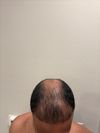
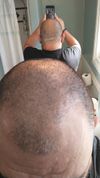
The user reported noticeable hair improvement over four months using 1 mg of finasteride and weekly microneedling. Progress photos from October 2024 to January 2025 show positive changes.
Finasteride, Minoxidil, Bioneer CosmeRNA, Technoderma, Kintor, Hope, Breezula, and Follicum treatments showed increases in hair count, with Technoderma showing the highest increase at 24.3 hairs/cm². Amplifica has not yet published results.
The user experienced good hair regrowth using natural methods and mechanical stimulation but decided to add finasteride to their regimen for better results. They are optimistic about further regrowth and plan to update on the effects of finasteride, noting no significant side effects so far.
A user with diffuse hair loss for a decade tried various treatments, including LLLT Helmet, supplements, topicals, and hair transplants. They found relief from scalp inflammation and itching using a topical solution made from crushed Xeljanz pills mixed with ethyl alcohol.
A user plans to experiment with creating new hair follicles using methods like derma rolling, applying lithium chloride, tannic acid, and various other substances including caffeine, ketoconazole, and raspberry ketones. They also consider using anti-inflammatories, immunosuppressants, and DHT inhibitors to potentially improve results.
The conversation is about using Verteporfin with microneedling as a potential hair loss treatment that may regenerate hair follicles with minimal scarring. There are concerns about the optimal dosage and the DHT sensitivity of the new follicles.
The conversation is about making homemade topical finasteride, discussing mixing it with Kirkland minoxidil and creating a solvent with alcohol, glycerin, and water. A formula suggestion includes 50% ethyl alcohol, 25% propylene glycol, and 25% distilled water.
The user has been using finasteride, dutasteride, and RU58841 for hair loss without success and feels extremely uncomfortable with their appearance, including being bald and short. They express deep unhappiness and social isolation. Suggestions from others include adopting stoicism, focusing on personal development, considering a hair system, improving fashion, working out, and seeking therapy for mental health.
The post discusses diluting 100ml of 0.1% topical finasteride with 90ml of stemoxydine to create a 0.05% solution, aiming for a longer-lasting and potentially less side-effect-prone treatment. The user seeks feedback on this idea.
The user discusses their experience with hair loss despite taking estrogen and cyproterone, and estimates needing around 3000 grafts for a feminine hairline. They are considering getting the procedure done in Turkey due to high European costs.
PP405's effectiveness in increasing hair density is questioned due to a small sample size, despite investment from Google Ventures. Users express skepticism and suggest waiting for more conclusive results.
The user experienced improved hair density and thickness after using finasteride and dermarolling for 2.5 years but noticed hair loss when doing anaerobic exercise. They increased their finasteride dose and continued dermarolling but are considering not starting minoxidil due to its perceived hassle and uncertain long-term benefits.
User plans to switch from oral to .005% topical finasteride, using a solvent from minoxidilmax and later Essengen-F. They will monitor DHT levels and seek advice on solvents and sleep caps.