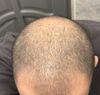
Balding can make dating more challenging, especially with superficial attitudes, but confidence and fitness can help. Some embrace shaving their heads, while others focus on self-improvement and acceptance.
Dutasteride effectively stops hair loss but can cause side effects like sexual dysfunction, muscle mass changes, and testicle shrinkage. Adjusting the dosage may help manage these side effects, but long-term health effects remain a concern.
A user experienced increased testosterone and estradiol levels after starting finasteride/dutasteride and is asking if these levels will return to normal over time. The conversation focuses on whether these changes are temporary.
A woman who is experiencing Female Pattern Baldness and struggling to cope with it; she has tried a few treatments but is not satisfied with the results and feels like her femininity has been taken away from her. The conversation includes advice on possible treatments such as Minoxidil, Finasteride, RU58841, and lifestyle changes.
The efficacy of low doses of finasteride to reduce scalp DHT, and whether studies showing a 61% reduction are reflected in actual results. Replies discussed hair growth as an unintended consequence of minoxidil and finasteride use, as well as self-selective bias, potential side effects, and that studies measure effectiveness by hair count changes rather than DHT inhibition.
Finasteride can aid hair regrowth but may cause side effects like depression and sexual dysfunction. Users discuss experiences with finasteride, minoxidil, and RU58841, highlighting varied responses and the importance of informed treatment choices.
An 18-year-old woman experiencing hair loss due to stress, possible PCOS, and low vitamin D is concerned about starting 5% minoxidil foam, prescribed by her doctor, due to potential facial hair growth. She is also using a topical steroid for scalp sensitivity and pain.
A user shared their experience with finasteride, reporting severe side effects like erectile dysfunction and watery semen, which improved after stopping the medication. They emphasized the risks of finasteride and decided not to resume its use despite hair loss stabilization.
Finasteride is used for hair loss, with mixed reports of no side effects and claims of long-term negative effects known as Post Finasteride Syndrome (PFS). The conversation debates the existence and causes of PFS, with differing opinions on whether it is psychological or real.
A 23-year-old has been using finasteride, dutasteride, and spironolactone to combat hair loss and hormonal acne, with mixed results and concerns about side effects. The user is experimenting with spironolactone despite its potential risks, hoping for skin and body hair improvements.
Topical finasteride results in plasma levels 100 times lower than oral finasteride, potentially reducing systemic side effects. Users report similar efficacy with fewer side effects, suggesting a preference for topical application.
The FDA warned that topical finasteride can cause serious side effects like sexual dysfunction and brain fog, similar to oral finasteride. Compounded topical formulations pose additional risks due to lack of regulation.
Dutasteride and finasteride have similar risks of sexual dysfunction for treating androgenetic alopecia. Users experience varying side effects, indicating individual differences in drug reactions.
Topical dutasteride may have limited absorption due to its higher molecular mass compared to finasteride, potentially affecting its efficacy in suppressing DHT locally. Microneedling might enhance dutasteride absorption, possibly offering stronger local DHT suppression with fewer systemic effects.
The side effects of taking finasteride as a treatment for hair loss, with particular focus on its sexual and psychiatric side effects; research has indicated that there are high and low outliers in terms of prevalence of sexual side effects, but it is usually between 3-5%, while evidence of lasting sexual side effects comes from lower quality sources.
A 19-year-old male shared his negative experience with finasteride, including side effects like vision issues, genital changes, pain, swollen lymph nodes, and mood alterations, which resolved after stopping the medication. He suggests alternative hair loss treatments like exercise, diet, possibly avoiding masturbation, topical anti-androgens, and dermarolling, emphasizing mental health over aesthetics.
A user is considering switching from oral to topical treatments for hair loss due to side effects like watery semen and erectile dysfunction. They are currently using oral finasteride and minoxidil and are concerned about potential sexual side effects with topical use.
An 18-year-old is considering splitting 5mg Finasteride pills into 1.25mg doses to save money, but is concerned about potential hormonal fluctuations and side effects due to his age. Users advise caution, suggest consulting a doctor, and recommend considering lower or less frequent doses.
A user experienced increased pimples and cysts after two years on dutasteride, possibly due to hormonal changes. Suggestions included seeing an endocrinologist, using supplements like boron and DIM, adjusting diet, and reducing body fat to manage side effects.
A 22-year-old male with high estrogen levels is considering finasteride for hair loss but is concerned about potential side effects due to his hormone levels and family history of diabetes. Users suggest consulting a doctor, possibly an endocrinologist, and considering lifestyle changes like diet and exercise to address visceral fat and insulin resistance before starting treatment.
The conversation discusses various factors affecting hair loss, not just DHT, and mentions treatments like Minoxidil, finasteride, and melatonin. Some users report personal experiences with these treatments and hormone tests, while others speculate on the role of hormones like prolactin and cortisol in hair loss.
A user shared their experience with finasteride for hair regrowth, which was effective but caused side effects like gynecomastia and mood swings. They now manage side effects with Arimidex and vitamins while continuing finasteride, and monitor their health with blood tests.
The user experienced significant hair improvement over nine months using a routine of oral finasteride, mixed topical and oral minoxidil, microneedling, and Head & Shoulders shampoo. The user attributes the progress to oral minoxidil and reduced stress during paternity leave.
Finasteride, a medication for hair loss that has both positive and negative effects. Users discussed their own personal experiences with the drug as well as potential side-effects of taking it, such as erectile dysfunction or gynecomastia. Suggestions were also made about starting at a lower dosage to minimize these risks.
A user gained 10-12 kg after starting finasteride but found their estrogen levels to be within the normal range. They are concerned about potential gynecomastia but are reassured by their lab results.
User added RU and pyrilutamide for hair growth and noticed more baby hairs. Others suggest sticking with fin and min, while some discuss the user's self-image and hair loss severity.
HMI-115, a newly discovered hair loss treatment that could potentially be effective for those with diffuse thinning and telogen effluvium. It is based on prolactin receptor antagonist signaling and has already undergone Phase I trials in women, with potential commercialization by 2027.
Baby hairs can mature with long-term DHT reduction, and Minoxidil can aid this process. Dutasteride mesotherapy is effective and preferable to oral pills, as it directly targets tissues.