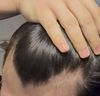
The user has been using topical finasteride and minoxidil for a month to address hair thinning. They are experiencing shedding but have noticed small hairs on their temples.
The user has been using finasteride for 15 years but is noticing increased hair loss. They are considering increasing the finasteride dosage or switching to dutasteride but are concerned about side effects; they previously stopped using minoxidil due to heart palpitations.
Experimenting with trestolone as a treatment for hair loss in an attempt to avoid DHT-related treatments such as finasteride and dutasteride, and discussing the potential effects of its receptor selectivity on the androgen receptors in the scalp.
.
This conversation is about a user's progress while using minoxidil and finasteride to treat hair loss, with emphasis on taking oral finasteride at night before bed for optimal results. They also discuss the brand of medication being used (Morr F 5%) and the importance of taking a generic version of the same drug.
The user applied minoxidil and finasteride topically for hair regrowth, experiencing significant results but stopped finasteride due to side effects. They later added stevia to minoxidil, noticing potential improvement in hair density, particularly at the front.
A doctor recommended Follivera as a minoxidil alternative, but users are skeptical, suggesting minoxidil, finasteride, or dutasteride for hair loss. Some users mention adenosine and piroctone olamine as potentially helpful ingredients.
The conversation discusses potential hair loss treatments, including Setipiprant, Bimatoprost, and Follicept. The user encourages signing up for Follicept, which may come to market soon.
The user reported early stage diffuse hair thinning and increased DHT levels after 4 weeks on Finasteride and 8 weeks on Finasteride plus 4 weeks on Dutasteride, despite the medications being authentic and stored properly. They are considering increasing their Dutasteride dosage due to the lack of side effects and are unsure if the treatment is helping their hair.
After 2 months of using minoxidil and finasteride twice daily, along with ketoconazole shampoo 2-3 times a week, progress in hair condition is shown. The user shares pictures to document the changes.
The user switched from oral finasteride and topical minoxidil to oral dutasteride and minoxidil but feels their hair loss has worsened. They are also using enclomiphene for gym progress, which may be affecting their hair.
The conversation is about finding a clearnet vendor for clascoterone, also known as Winlevi, for hair loss treatment. The user is seeking recommendations via direct message.
A 49-year-old man has been using 1 mg of finasteride daily and microneedling weekly for four months to address hair loss, with no side effects and noticeable progress. He shares his experience and encourages others to consider treatment options without fear.
A 23-year-old plans to use Minoxidil for 4 months, then add Finasteride to assess their effectiveness for hair loss. They will track progress with photos and consider switching treatments if results are unsatisfactory.
A user experiencing side effects from a 5% minoxidil and 0.1% finasteride topical solution for hair loss reduced their dosage due to numbness and pain in the lower body and is seeking advice on dosage and alternatives like redensyl. They are concerned about the side effects of both medications and are considering adjusting the dose or switching treatments.
The user shared progress pictures after using a topical treatment of 0.3% finasteride and 6% minoxidil once a day for a year, noting improvement in the front but needing suggestions for the crown. They confirmed using a product from Hims.
User shared 1-year progress on Fin 1 mg, switching to 0.4 mg Dut and oral 1.25 mg Min. Good results with Fin, biotin supplement, and biotin shampoo; trying Dut and oral Min for potential better results.
The user experienced sexual side effects from a topical finasteride and minoxidil combo and stopped using it after three weeks. They plan to use foam minoxidil nightly to slow hair loss and seek alternative treatments that don't affect sexual health.
A user experienced a tingling sensation in their mouth after taking a cut finasteride pill, possibly due to inactive ingredients like mannitol or sodium lauryl sulfate. Tingling is not a common side effect or typical allergy sign, but monitoring for unusual reactions is advised.
The user is considering reducing their finasteride dose from 2.5mg to 1.25mg to make the supply last longer and is concerned about potential changes in results. They have been using the 2.5mg dose for four months.
A user plans to create a custom topical solution by adding finasteride, caffeine, cetirizine, and melatonin to a minoxidil bottle, questioning the stability and effectiveness of this mix. Concerns include potential crystallization and solution muddiness with added ingredients.
The user experienced positive hair growth results after a year of using finasteride, initially taking 1mg daily but switching to a Monday, Wednesday, Friday schedule due to side effects like erectile dysfunction and watery semen. The side effects improved after switching to the reduced schedule, with normal erections returning within a month.
A user's 15 month progress with finasteride and minoxidil treatments, which have produced great results. Microneedling depth and frequency were discussed in the replies.
A user is taking 1mg oral finasteride daily and using a Korean caffeine scalp shampoo for hair loss, reporting positive growth after one month without side effects. Another user suggests waiting six months for more noticeable results.
The user has been using a daily capsule containing 1mg finasteride and 2.5mg minoxidil for 11 months, with noticeable regrowth on the crown but minimal improvement on the hairline. They experienced no significant side effects and plan to continue the treatment long-term.
The user is experiencing sleep issues after starting finasteride for hair loss and is considering using magnesium or melatonin to improve sleep. Other users suggest that sleep disturbances are a common side effect initially, but may improve over time.
A 29-year-old male started using finasteride and minoxidil in September, gradually increasing the dosage, and is pleased with the progress, especially in the hairline and temple areas. He also uses keto shampoo for dandruff but plans to consult a trichologist due to ongoing scalp issues.
The conversation discusses hair regrowth using finasteride, minoxidil, ketoconazole shampoo (Nizoral), and microneedling as treatments. Users are sharing their experiences and results with these specific hair loss treatments.
The user "StrummerBummer" has been taking finasteride for 25 years without side effects, but is now switching to dutasteride. Other users congratulate and support the decision.
Finasteride stopped working for a user after 3 years, and they are considering switching to dutasteride. Other users suggest trying dutasteride, with some sharing positive experiences and additional treatments like minoxidil and RU58841.
Finasteride may affect liver function and cortisol levels, potentially linking it to non-alcoholic fatty liver disease (NAFLD). More research is needed to understand this connection fully.