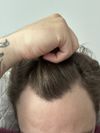
People with hair loss experience emotional struggles and body dysmorphia. Treatments like minoxidil, finasteride, and dutasteride are used, but results vary and can take time.
A 25-year-old with AGA experienced hair thinning and dandruff, stabilized with topical finasteride and minoxidil but saw minimal regrowth. They seek advice on styling and consider oral minoxidil and microneedling for denser hair.
The conversation is a humorous take on someone's reaction after their first dose of finasteride for hair loss. Specific treatments mentioned include scalp massage and a protocol of manifestation twice daily.
The user experienced rapid diffuse hair thinning for five years despite no signs of AGA or miniaturization. They tried finasteride and oral minoxidil without success and have checked thyroid, iron, and vitamin D levels.
A 30-year-old with a family history of receding hairlines is considering starting finasteride due to gradual hairline recession. They are seeking advice on whether to begin treatment or if they are worrying unnecessarily.
The user began experiencing hair loss a few years ago at age 22 and is a diffuse thinner with a Norwood scale rating of 2. They have a naturally athletic build and gain muscle easily, with a hairy chest and stomach.
A 30-year-old man is considering quitting Finasteride due to sexual side effects, including reduced libido and difficulty reaching orgasm, despite its effectiveness in treating hair loss. He is exploring other factors like relationship issues and potential low testosterone, and is considering getting blood work done.
17M approaching Norwood 2, using topical minoxidil and considering finasteride, oral minoxidil, and pyrilutamide. Plans to study dermatology and possibly get a hair transplant at 25 if treatments don't work.
The conversation is about a finding that finasteride does not significantly increase the risk of sexual dysfunction, with users sharing mixed personal experiences regarding side effects.
The user started using finasteride, minoxidil, and biotin for hair loss and believes they are a hyper responder, noticing significant changes in hair thickness. They regret not starting earlier and mention using oral minoxidil.
Loose-Message9596 has been experiencing hair loss for 3-4 years, initially due to low ferritin and vitamin D levels, and has tried treatments like vitamins, System 4, and PRP therapy. They are considering starting finasteride and minoxidil but are unsure due to their relatively low DHT level of 425.
A 29-year-old is struggling with motivation while using finasteride and minoxidil for hair loss, experiencing side effects like low libido. They have seen some hair growth but are unsure whether to continue treatment or shave their head again.
A 28-year-old is assessing their hair loss on the Norwood scale, considering adding topical minoxidil and dermastamping to their current regimen of oral finasteride and minoxidil. They feel their hair loss is worsening and seek opinions on their condition.
A 24-year-old male is experiencing hair loss due to low ferritin and vitamin D deficiency, and is using iron supplements, vitamin D3, finasteride, and ketoconazole shampoo for treatment. Users suggest increasing vitamin D and iron intake for better results and recommend consulting a professional for proper dosage.
The treatment for androgenetic alopecia involves using finasteride and minoxidil with intense exercise and cold exposure to boost metabolism and reduce androgenic effects, potentially leading to hair regrowth. This approach may activate biological pathways for improved hair and overall health.
The conversation discusses skepticism about the effectiveness of scalp tension theory and scalp massagers for hair regrowth, contrasting it with treatments like finasteride and minoxidil, which have more user-reported results. Participants question the belief in scalp tension theory, suggesting it may be a marketing tactic, while others argue for a multifactorial approach to hair loss.
The post discusses the experiences of individuals with diffuse hair thinning using finasteride, with many reporting no improvement or worsening conditions after 6 months. Various suggestions include persisting with the treatment, checking for underlying conditions, adding minoxidil for volume, adjusting dosage, and considering other potential causes like autoimmune responses and inflammation.
The user is likely at Norwood 4 and is advised to use oral finasteride and topical minoxidil, with the option of a hair transplant after two years for a better hairline. Finasteride and minoxidil are considered sufficient to maintain and slightly improve current hair.
Concerns about the long-term effects of dutasteride and finasteride on fertility, with discussions on cycling these medications to mitigate risks. The conversation highlights skepticism about study methodologies and the importance of weighing treatment risks against potential fertility issues.
A user shared their positive experience with a hair transplant performed by Dr. Timothy Carman, using 1100 grafts via FUT surgery, and reported satisfaction with the results and minimal scarring. The user continues to use minoxidil and finasteride for hair maintenance.
HMI-115, a newly discovered hair loss treatment that could potentially be effective for those with diffuse thinning and telogen effluvium. It is based on prolactin receptor antagonist signaling and has already undergone Phase I trials in women, with potential commercialization by 2027.
User "burlysnurt" shares 1.5-year progress using Finasteride and Minoxidil for hair loss. Others congratulate and ask questions about the treatment, with "burlysnurt" sharing their routine and positive results.
The conversation humorously suggests that doing daily handstands can regrow hair by improving blood flow to the scalp, dismissing traditional treatments like finasteride and minoxidil. It satirically claims that gravity is the real cause of hair loss, with users joking about the effects of gravity on hair growth.
OP experienced significant hair regrowth after recovering from iron deficiency anemia and starting minoxidil. They suspect anemia contributed more to their hair loss than androgenetic alopecia (AGA).
A 24-year-old with early hair loss is managing it with finasteride, minoxidil, and dutasteride, and is considering using a hair system for more styling options while maintaining transparency. They emphasize confidence and self-expression over hair, viewing it as an amplifier rather than a foundation.
The user has been using finasteride for over two years with mixed results and is considering starting dutasteride and oral minoxidil, though both are hard to obtain. They are also contemplating a hair transplant in the future due to diffuse thinning.
Switching from finasteride to dutasteride is discussed, with some users suggesting gradual replacement to potentially improve hair regrowth. OP plans to try replacing one daily use of finasteride with dutasteride to see if it leads to better results.
A user's experience taking finasteride, which resulted in them having an unexpected emotional reaction, and the replies to this post focus on the humorous aspects of cautionary tales about hair loss treatments.
2% fucoidan alleviated AGA symptoms, promoted hair growth, and increased hair density in mice. Fucoidan is considered safe for humans as a supplement and topical skincare product, with potential therapeutic effects against AGA.