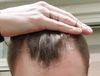
A user shared progress pictures after 15 months on 0.5 mg finasteride, reporting significant hair regrowth starting around 9 months. They no longer see the need for a hair transplant.
A user shared progress pictures after 8 months of finasteride, 2 months of minoxidil, and 2 months of vitamin D. The post shows significant hair improvement despite some light differences in the photos.
The user shared a 6-month update on their hair loss treatment using finasteride, minoxidil, Nizoral shampoo, and vitamin D. They reported progress but mentioned possible sexual side effects and recent shedding, seeking advice on adjusting their finasteride dose.
A 23-year-old male noticed hair loss and started using finasteride 1mg, initially experiencing significant shedding which reduced after 100 days. He switched from the brand Andropel to Folcres due to availability in Argentina.
The user has been using topical Minoxidil and finasteride for 5 months without seeing regrowth, despite ideal blood test results. They are seeking advice on what to do next due to frustration with continued hair loss.
A user is experiencing worsening hair loss despite using finasteride, PRP treatments, and supplements like vitamin D, biotin, zinc, and iron. They are seeking advice on whether to continue with finasteride, increase the dosage, or try additional PRP sessions.
The user has been using finasteride for hair loss since January 2023, initially seeing improvement but now experiencing increased thinning. They are considering other factors like thyroid and insulin resistance and are seeking advice from long-term finasteride users, while some suggest trying dutasteride, minoxidil, or consulting a dermatologist for further evaluation.
The conversation discusses hair loss treatment with finasteride, which has shown positive results for the user over 1.5 years. Concerns about using minoxidil due to its toxicity to pets, especially cats, are also highlighted.
The conversation discusses starting topical finasteride for hair loss, with concerns about high dosages. It suggests starting with a lower concentration, like 0.1% or 0.3%, especially with liposomal versions.
The user does not respond well to minoxidil and is seeking an alternative to Tretinoin to upregulate sulfurtransferase activity for hair loss treatment. No specific alternative treatments were mentioned.
A user shared their successful hair loss treatment using 1.25mg finasteride daily, 2.5mm microneedling every 1-3 weeks, zinc pyrithione shampoo, occasional scalp massages, and 40% glycolic acid on temples. They reported significant progress over 21 months.
The conversation discusses the impact of finasteride on sexual function, with many users reporting reduced libido and weaker erections despite continuing the treatment to prevent hair loss. Some users suggest checking hormone levels or switching to different dosages or treatments like dutasteride, while others share mixed experiences regarding the severity of side effects.
A 31-year-old individual started taking finasteride 24 days ago to address hair thinning and loss, which has worsened their mood and stress. They have not yet added minoxidil and are experiencing significant shedding, contributing to sleep issues and insecurity about their hairline.
A 19-year-old concerned about long-term effects of 5AR inhibitors on physical appearance. They have used finasteride and plan to try dutasteride or RU58841; responses suggest improved skin, hair, and confidence.
A user shared his experience of having two healthy children while continuously using finasteride (Fin) for hair loss, challenging fears about its potential impact on fetal development. The discussion that followed included various perspectives, with some users sharing similar experiences, others expressing concerns about potential risks, and some emphasizing the need for more substantial evidence before drawing conclusions.
The user experienced improved hair at 6 months using 0.5 mg finasteride daily but noticed more scalp visibility and potential hair loss at 13 months, questioning if this was due to shedding or the treatment not working. Some respondents suggested the possibility of a shed or scalp inflammation, while others observed improvements or advised checking for underlying scalp conditions.
Pirfenidone is suggested to treat fibrosis and baldness by blocking inflammation markers and reducing collagen. It is also available as a gel for scar removal.
The user started using 1mg finasteride and Regaine foam post-hair transplant, noticing significant hair growth at three months. They experienced testicular cramps as a side effect but no other issues, and are considering microneedling for further improvement.
A 31-year-old male shared his 3-year progress using finasteride 1 mg daily, with additional treatments including nutrafol, multivitamins, vitamin D, marine collagen, PRP scalp injections, micro-needling, and Nizoral. He experienced temporary libido issues but currently has no side effects.
A user shared their 20-week progress using oral finasteride (1mg) and oral minoxidil (3.3mg) for hair loss, noting significant improvement in hair thickness and coverage. Another user complimented the progress.
The user is experiencing hair shedding despite starting finasteride 4 months ago, with no signs of miniaturization. They are seeking advice after normal blood tests and similar family experiences.
A 23-year-old male shares his positive progress using 0.5mg finasteride for hair loss, noting initial side effects like sore nipples that resolved after adjusting the dosage. Other users discuss their experiences with finasteride, including effects on libido and the trade-offs of using the medication.
Low Vitamin D can cause hair shedding, and taking 5000 IU of Vitamin D daily reduced shedding significantly. Vitamin D deficiency is common and correcting it can benefit overall health.
A 43-year-old user's progress pictures showing their results from taking Finasteride and Dutasteride for 13 months, along with 5% Minoxidil topical treatment for hair loss over the course of two years. Other users shared experiences and advice about using these treatments to reverse hair loss.
The conversation discusses finding a finasteride dosage that reduces DHT by about 25% to minimize side effects, with considerations for topical versus oral formulations. Alternatives like dutasteride mesotherapy and topical treatments are explored, with concerns about systemic absorption and potential impacts on athletic performance and hormone levels.
A 26-year-old man who had a hair transplant and used minoxidil with good results is now experiencing shedding and considering finasteride. He's concerned about high progesterone and mild erectile dysfunction before starting the treatment.
Being overweight may increase finasteride side effects due to higher aromatase activity converting testosterone to estradiol. Maintaining a healthy weight could reduce these side effects.
A 37-year-old man shared his 1.5-year progress using finasteride and supplements for hair loss, planning a hair transplant for further restoration. Commenters noticed significant improvement in hair quality and density from his treatment.
A 24-year-old with a history of hair loss, low testosterone, and other health issues is seeking advice on treatments. They are considering options like topical and oral finasteride, oral minoxidil, PRP therapy, tretinoin, and microneedling.
The conversation is about hair loss treatments, specifically the use of 1 mg finasteride and 1.5 mg oral minoxidil over two years, with consideration of a future hair transplant and possibly switching to dutasteride. Users discuss their own experiences and suggest trying different treatments like minoxidil 5%.