Isoflavones from soybeans may help limit estrogen's effects on the body, potentially preventing gyno. However, surgery is the only way to remove gland enlargement.
The user plans to switch from topical to oral finasteride (1mg/day) and minoxidil (3mg/day) due to unsatisfactory results with topical treatments. They seek advice on the effectiveness, potential side effects, and the timing for considering a hair transplant, with recommendations to monitor health metrics like blood pressure and conduct thorough bloodwork before starting.
The user plans to start oral finasteride and oral minoxidil for hair loss, despite previous side effects from finasteride. They intend to take both on a Monday, Wednesday, Friday schedule and are seeking advice on any additional considerations.
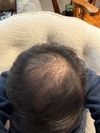
The user is experiencing significant hair thinning and receding and is seeking advice. Suggestions include starting treatments like finasteride or minoxidil and considering a short haircut to manage the appearance of thinning hair.
The user is struggling with seborrheic dermatitis and plans to try ciclopirox olamine after finding ketoconazole too drying. They are also using finasteride daily.
A user is considering starting finasteride for hair loss and shares their hormone levels, with others suggesting checking SHBG and discussing potential side effects. Some recommend starting with 0.5 mg finasteride, while others suggest considering dutasteride.
The conversation is about a user who started using finasteride to address crown balding, noticing reduced hair shedding and halted progression of male pattern baldness. The user also used a dermal stamp and expressed optimism about potential regrowth, despite a slight decrease in libido.
A 25-year-old man was prescribed dutasteride for early genetic balding, but he is concerned about its cost and potential side effects compared to the more common and cheaper finasteride. He is unsure if starting with dutasteride is necessary or if he was scammed, and seeks advice on whether to switch to finasteride.
The conversation provides scientific sources on hair loss treatments like finasteride, minoxidil, and others, aiming to help individuals make informed decisions about their treatment options. It also discusses phytochemicals as alternative treatments due to concerns about side effects from drug-based therapies.
The user experienced side effects from low-dose topical finasteride and is considering using clascoterone (CB-03-01) despite concerns about its risks and cost. They seek advice on its effectiveness and potential side effects compared to other treatments like alfatradiol and fluridil.
A user's experience with using 5AR inhibitors (Finasteride and Dutasteride) in combination with Minoxidil foam and microneedling, which resulted in substantial improvements to their crown density and hairline, despite high systemic levels of testosterone and dihydrotestosterone.
The user is considering starting minoxidil and finasteride for hair loss at Norwood 2 or 2.5. Another user suggests consulting a dermatologist and possibly using finasteride to prevent progression and minoxidil for regrowth, with dutasteride as an alternative.
The conversation discusses using a 0.1% topical finasteride solution twice daily after experiencing brain fog from oral finasteride. A user suggests trying the solution once daily for a few months if concerned.
A user is experiencing worsening hair loss despite using finasteride, PRP treatments, and supplements like vitamin D, biotin, zinc, and iron. They are seeking advice on whether to continue with finasteride, increase the dosage, or try additional PRP sessions.
A user preparing to start finasteride for hair loss wanted to check for any abnormal bloodwork related to hair loss. They shared their blood test results and learned from another user that their doctor prescribed finasteride without any preliminary tests.
A user experienced erectile issues after 7 months of using Finasteride and sought advice. Responses varied, with some suggesting breaks and others sharing similar side effects or dismissing concerns.
A 5-year-old male considering using finasteride to prevent receding hairline, with suggestions ranging from topical minoxidil and estrogen treatments to hair transplantation and shaving.
A trial of verteporfin for hair regeneration, with pictures comparing the original and current status, as well as links to other resources discussing the efficacy of this treatment in combination with Minoxidil, Finasteride, and RU58841.
The conversation humorously discusses hair loss treatments, with mentions of minoxidil and finasteride. Suggestions range from hair transplants to satirical advice like using snake oil or adopting extreme diets.
A user reported increased shedding and some side effects like ball ache and potential watery semen after taking 0.25mg of finasteride daily for two months, but noted a high sex drive and considered the shedding a possible sign of new hair growth. Other users discussed dosage differences, with some suggesting starting with a smaller dose and monitoring effects, while others shared their experiences with no shedding or hair growth yet.
The conversation discusses adding finasteride (Propecia) to a liquid containing stemoxydine for hair loss treatment. The user is inquiring about the effectiveness of this combination.
A 17-year-old in the UK seeks advice on mitigating hair loss until finasteride becomes an option at 19. Recommendations include using Minoxidil and considering other treatments like specific shampoos and dietary changes.
The conversation discusses a hair loss regimen using natural oils like pumpkin seed, rosemary, peppermint, evening primrose, and sea buckthorn, along with microneedling, niacin, vitamin B complex, and astaxanthin. Some users criticize the effectiveness of this approach compared to treatments like finasteride and minoxidil, while others suggest adding saw palmetto and other supplements.
The conversation is about comparing the effectiveness of fluridil and clascoterone in preventing hair loss and inquiring about their use as standalone treatments. There is a question about the concentration of the fluridil brand for efficacy.
A 20-year-old with no signs of hair loss is considering finasteride or dutasteride due to family history of baldness. Advice given is to monitor hair and start treatment only if thinning occurs.
A 27-year-old man shared his hair regrowth progress after using finasteride for 4 years, recently adding a solution of RU58841 with minoxidil and alfatradiol, tretinoin on temples, and occasional ketoconazole. He is seeking opinions on his treatment approach.
Use finasteride or dutasteride with minoxidil for at least a year to improve hair density before considering a hair transplant. A transplant might be needed if medications don't provide sufficient regrowth.
The conversation discusses concerns about using cordyceps while on dutasteride due to potential DHT increase, with OP experiencing hair loss after using creatine. OP is advised to stop creatine and give dutasteride more time to evaluate its effectiveness.
A user experienced a "watery belly" and cellulite after starting finasteride, despite maintaining a disciplined fitness routine. Others suggest checking hormone levels, as changes in DHT and estrogen could affect fat metabolism, but age might also be a factor.
The conversation discusses hair regrowth progress after 1.5 months of using finasteride only, with suggestions to add minoxidil and microneedling for better results. Users recommend patience, consistency, and consulting a professional before making changes to the treatment plan.