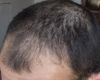
Finasteride's impact on fertility is discussed, with users sharing experiences of conceiving while on the medication. Concerns about long-term safety are also mentioned.
The conversation is about the potential impact of RU58841 on male fertility, specifically regarding sperm concentration, total count, and motility. The user is curious about the likelihood of RU58841 reducing fertility based on its mechanism of action and comparisons to similar substances.
The conversation discusses the impact of finasteride on sperm, including potential side effects like decreased ejaculate volume and total sperm count. Users share experiences and concerns about fertility tests before and after starting finasteride.
The drugs RU-58841, Pyrilutamide (KX-826), Apalutamide, Enzalutamide, and Darolutamide, which are nonsteroidal antiandrogens (NSAA), potentially impacting male fertility. Pyrilutamide, similar to Enzalutamide, may have reversible effects on fertility.
The user is experiencing erectile dysfunction and decreased sperm quality from using Dutasteride for hair loss and is considering stopping it to improve fertility. They are exploring other treatments like Viviscal Men, Minoxidil, Revlan Red System, Fluridil, Nizoral, Stemoxydine, and Eucapil.
Concerns about the impact of hair loss treatments like finasteride on fertility and future children. The user is worried about reduced sperm count and quality due to lowered DHT levels.
A 19-year-old diagnosed with AGA was refused finasteride by a dermatologist who cited fertility concerns and prescribed minoxidil, vitamins, and shampoos instead. The user is unsure about using minoxidil and considers finding another dermatologist.
A user started taking 0.5 mg of finasteride daily and noticed watery semen, questioning if it's normal or if they should adjust the dosage. Another user suggested it might indicate reduced fertility and may not improve.
The conversation discusses the use of finasteride for hair loss, with OP considering switching to dutasteride due to concerns about effectiveness. Users share experiences and concerns about side effects, including potential impacts on fertility.
A 28-year-old male is concerned about hair loss and is considering starting oral minoxidil now and finasteride after having more children due to fertility concerns. He is worried about losing more hair if he waits four years to begin treatment.
The conversation is about a user using minoxidil for 90 days and topical finasteride for 2 weeks to address hair loss, with concerns about finasteride's impact on fertility. The user is also using Nizoral shampoo and microneedling, and is advised to stay consistent despite initial shedding.
Long-term use of dutasteride may impair semen volume and sperm motility, but these effects are often reversible after stopping the drug. Individual reactions vary, and more research is needed to understand the long-term impact on fertility.
The user has been using a hair loss treatment including oral Minoxidil, topical Minoxidil with Tretinoin and Finasteride, and is considering adding Dutasteride but is concerned about the potential side effects and risks regarding fertility. A reply suggests that having children while on these medications should be fine, advising to avoid letting the partner come into contact with the drugs.
A man stopped taking finasteride, a hair loss treatment, to improve his fertility. His sperm count and motility increased after stopping the medication, but sperm shape did not change.
The user has been treating hair loss for over 11 years with various methods including Minoxidil, Keto shampoos, vitamins, and microneedling, but has avoided Finasteride due to fertility concerns. They have recently added Zix and The Ordinary Serum to their routine and are questioning their high DHT levels despite their efforts.
A 23-year-old is considering starting a prescribed treatment for hair loss, which includes Dutasteride, oral Minoxidil, topical Finasteride with Minoxidil, and Ketoconazole shampoo. They are concerned about the potential impact on future fertility and whether to start with Dutasteride or try Finasteride first.
The conversation discusses alternatives to minoxidil and finasteride for hair regrowth, with mentions of essential oils, PRP therapy, and RU58841. The focus is on finding treatments with minimal side effects, especially concerning fertility.
Concerns about the long-term safety of Minoxidil and Finasteride for hair loss, with suggestions to weigh risks and consider cost-effective options like cutting higher-dose pills. Some users prefer Minoxidil due to perceived safety.
The user stopped finasteride while trying to conceive and switched to oral minoxidil, ketoconazole shampoo, minoxidil foam, tretinoin, and microneedling. They are considering dutasteride mesotherapy but are unsure of its safety during conception.
A user is considering stopping finasteride to try for a baby due to concerns about birth defects, despite mixed evidence. Others share experiences of using finasteride, minoxidil, and ketoconazole shampoo, with some stopping finasteride when trying for children.
A 28-year-old male, previously on dutasteride for hair loss, is considering oral minoxidil or a compounded treatment of minoxidil, finasteride, and tretinoin after noticing hairline recession. The dermatologist suggested oral minoxidil and mentioned a compounded option, but the user is unsure about its benefits compared to current treatments.
A 24-year-old male experienced significant hair regrowth after 5 months of using Finasteride, with no other treatments like Minoxidil or microneedling. He also reported an increase in libido and no other side effects.
RU58841 and pyrilutamide are being discussed as potential hair loss treatments, with some users reporting side effects. There is interest in these treatments as alternatives to 5ar inhibitors and oral minoxidil due to concerns about safety and side effects.
Female, 28, losing hair since 17, using 200mg Spiro. Tried Minoxidil and ketoconazole with limited success, considering oral minox and seeking alternative treatments from cosmetic dermatologist.
The conversation is about using topical finasteride for hair loss and concerns about its application, side effects, and practicality. Users suggest switching to oral finasteride for convenience, despite potential side effects.
Switching from dutasteride to finasteride and back led to significant hair shedding, despite continued use of oral minoxidil. The user is hopeful for hair regrowth after resuming dutasteride.
A 21-year-old male experienced significant hair regrowth over a year using dutasteride, minoxidil, and ketoconazole shampoo. He noted improvements despite irregular application and mentioned that his hair is now thicker, with a previously bald spot completely gone.
PP405 is a new drug in Phase 2 trials for hair loss, generating cautious optimism among users. Some users are currently using finasteride and experiencing side effects, while others are skeptical about unapproved products being sold.
A 19-year-old is seeking advice on reversing hair loss without a transplant, currently using oral finasteride and topical minoxidil. A suggestion was made to switch to dutasteride and use a stronger minoxidil, with the addition of a topical anti-androgen after three months.
Dutasteride mesotherapy is discussed as a hair loss treatment, with opinions on its effectiveness compared to oral dutasteride. The treatment is noted for being expensive, potentially painful, and more popular in Europe, with some users questioning its advantages over traditional methods.