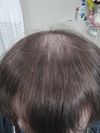
Hair loss treatments Fin and Minoxidil failed for user. Suggested alternatives are 75mg oral spiro and RU58841, but concerns about low testosterone and self-esteem were raised.
A user is considering using RU58841 for female pattern baldness and is also planning to use Minoxidil. They are hesitant to ask their doctor for spironolactone due to its cosmetic nature and are experiencing significant hair loss possibly due to stress and hormonal issues.
A 20-year-old male experiencing hair loss is using topical finasteride and recently added dutasteride but is still losing hair and considering giving up. Suggestions include being patient, giving dutasteride more time, trying oral finasteride, adding minoxidil, and considering other treatments like low-level laser therapy.
A 30-year-old man experienced significant hair loss after starting testosterone replacement therapy (TRT), which did not improve with daily finasteride and minoxidil. He is considering restarting TRT and is seeking advice on using pyrilutamide or RU58841 to prevent further hair loss.
The user has not seen results from various hair loss treatments including finasteride, dutasteride, minoxidil, and others over several years and is considering adding RU58841 and starting hormone replacement therapy. They are also experiencing anxiety and contemplating moving to a more accepting environment for their nonbinary identity.
Finasteride isn't improving hair loss, possibly due to prior accutane use, which may have caused additional shedding. The user is concerned about ongoing hair loss despite treatment.
The user is asking about the safety of using RU58841 when trying to conceive and if others have had healthy babies after using it. They are seeking advice on how long to take a break from RU58841 before attempting to have a baby.
A 22-year-old male experiencing hair loss suspects androgenetic alopecia (AGA) and possibly telogen effluvium (TE), with a noted improvement in scalp itch after adopting a gluten-free diet. He is advised to consider treatments like finasteride or minoxidil and to check iron and ferritin levels.
People worrying about hair loss and the effects of Finasteride on erections, which a transgirl has experienced no change from taking it with other medications. The discussion suggests that people should stop worrying so much.
A user took finasteride for hair loss 10 years ago, stopped after a month, and has since suffered from severe erectile dysfunction (ED) and other symptoms. They shared blood test results seeking advice for their condition, and others discussed similar experiences with finasteride and related drugs.
The user is applying topical finasteride with stemoxydine for hair loss and has noticed hair thickening but no regrowth after two months. They also report high SHBG and prolactin levels and a lack of morning erections, even on low doses of medication.
The conversation is about someone who has not seen hair regrowth after 6 months on finasteride alone, asking if others have experienced delayed results. Some responses indicate that results can sometimes be seen after 12 months, with full effects up to 24 months.
Finasteride raises total testosterone but lowers free testosterone, which is important for male health. Users report mixed experiences with their fitness levels and blood test results after using finasteride.
The user experienced a diminished orgasm sensation after two days on finasteride. They noted a decrease in sexual drive and slower erections but were most concerned about the lack of climax sensation.
The user experienced significant hair regrowth with 0.5mg oral finasteride daily, despite a minoxidil allergy, and reported no side effects. They also used a keto shampoo and were satisfied with the results.
A user experienced unexpected hormone test results after 7 months on 1mg daily finasteride, noting a decrease in estradiol despite expectations of an increase. Other users suggested that hormone responses can vary and that finasteride might still be effective if DHT levels are within range, while also mentioning factors like circadian rhythm and stress that could impact results.
FOL-005 claims to be more effective than Minoxidil and Finasteride but lacks anti-DHT properties, leading to potential reduced efficacy over time. Concerns are raised about misleading marketing and the safety of alternative treatments like Pyrilutamide and Clascoterone.
A 20-year-old started taking finasteride for hair loss at 18, saw improvement, but developed erectile dysfunction (ED) after taking accutane. Despite stopping both medications, ED persisted, and hair loss worsened. Advice given includes considering tadalafil for ED, resuming finasteride, using minoxidil, and addressing psychological factors through positive thinking and lifestyle changes.
A user experienced rapid hair loss and successfully regrew hair using minoxidil daily and finasteride 0.5mg every other day, along with lifestyle changes. They reported significant improvement after initial setbacks and emphasized the importance of starting treatment early.
User experienced hair loss after taking creatine with finasteride for 8 years. Others shared similar experiences, but some suggested it could be a minoxidil shed.
The user experienced hair loss after 21 months of using oral minoxidil and finasteride and is considering switching to dutasteride. Others suggest it might be temporary and recommend staying consistent or trying additional methods like hair loss shampoo, microneedling, or checking vitamin levels.
A user shared their positive experience with finasteride and a 1000 FUE hair transplant for the frontal region, noting significant improvement in the crown area with medication alone. They emphasized patience with finasteride, as results vary from person to person.
The conversation discusses the impact of finasteride on sexual function, with many users reporting reduced libido and weaker erections despite continuing the treatment to prevent hair loss. Some users suggest checking hormone levels or switching to different dosages or treatments like dutasteride, while others share mixed experiences regarding the severity of side effects.
After nearly four months on finasteride, a user noticed improved hair quality but developed nipple puffiness, suggesting early signs of gynecomastia. They considered switching to other treatments like CB-03-01 or RU58841 and contemplated consulting an endocrinologist about aromatase inhibitors.
A user is concerned that finasteride isn't working for their hair loss, questioning if it's due to male pattern baldness or low iron levels. They are advised to take finasteride daily and get blood work done.
The user has been taking finasteride for a year without improvement and added minoxidil and dermarolling recently, but hair loss continues. Blood tests showed normal testosterone and vitamins, except for low vitamin D3 and an allergy, which doctors suggested could be causing the hair loss.
The user experienced beard loss from finasteride and RU58841 while managing hair loss. They plan to increase RU58841 dose, use a dermaroller, and consider oral minoxidil to improve hair growth without affecting their beard.
The user "ajsr8" shared their story of hair loss despite being on treatments. They started using finasteride in 2019 and later tried topical minoxidil, but it didn't seem to work. They also experienced side effects from other treatments. They are considering cutting off their hair and stopping the medications if there is no improvement in three months. Other users suggested trying different treatments and getting a blood test to check for underlying conditions.
The conversation discusses a 20-year-old transgender female's one-year experience with hair loss treatments, including Estradiol HRT, oral Finasteride, Bicalutamide, and Cyproterone. Specific treatments used for hair loss are oral Finasteride and potentially Estradiol as part of hormone replacement therapy.
Finasteride may take over two years to show results and can cause side effects like sexual dysfunction and emotional changes. Alternatives such as dutasteride and minoxidil are discussed, with varying effectiveness and side effects.