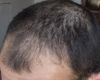
Stopping hair loss treatments like finasteride and minoxidil can result in losing regrown hair, highlighting the importance of consistent use. Restarting these treatments may cause temporary shedding, but hair can regrow with continued use.
A 28-year-old male, previously on dutasteride for hair loss, is considering oral minoxidil or a compounded treatment of minoxidil, finasteride, and tretinoin after noticing hairline recession. The dermatologist suggested oral minoxidil and mentioned a compounded option, but the user is unsure about its benefits compared to current treatments.
A 24-year-old male experienced significant hair regrowth after 5 months of using Finasteride, with no other treatments like Minoxidil or microneedling. He also reported an increase in libido and no other side effects.
RU58841 and pyrilutamide are being discussed as potential hair loss treatments, with some users reporting side effects. There is interest in these treatments as alternatives to 5ar inhibitors and oral minoxidil due to concerns about safety and side effects.
Finasteride and oral minoxidil effectively maintain a youthful appearance and full head of hair, despite genetic predispositions to balding. The discussion also considers the impact of DHT blockers on masculinity and aging, with lifestyle choices like sunscreen use and a vegetarian diet mentioned.
PP405 is a promising new treatment for hair loss that activates dormant stem cells in hair follicles, potentially bypassing the effects of DHT. It is currently in phase 2 trials and could be available between 2027 and 2030, but it is not considered a definitive cure.
A user shared their successful hair regrowth journey using 1mg finasteride daily, 1ml minoxidil nightly, and weekly 1.5mm microneedling. They reported some side effects like reduced semen thickness but are satisfied with the results and recommend topical minoxidil over oral.
A user shared his experience of having two healthy children while continuously using finasteride (Fin) for hair loss, challenging fears about its potential impact on fetal development. The discussion that followed included various perspectives, with some users sharing similar experiences, others expressing concerns about potential risks, and some emphasizing the need for more substantial evidence before drawing conclusions.
Female, 28, losing hair since 17, using 200mg Spiro. Tried Minoxidil and ketoconazole with limited success, considering oral minox and seeking alternative treatments from cosmetic dermatologist.
A 35-year-old man had a 6400 graft hair transplant in Turkey after years of baldness, using finasteride, oral and topical minoxidil, and scalp micropigmentation. He is satisfied with the progress and plans further SMP touch-ups to enhance results.
The user regrets stopping finasteride and minoxidil due to increased hair loss. They have resumed these treatments and are considering a hair transplant.
The conversation is about using topical finasteride for hair loss and concerns about its application, side effects, and practicality. Users suggest switching to oral finasteride for convenience, despite potential side effects.
A user expressed concern about using low-dose topical finasteride while conceiving, but was reassured that the risk of affecting a fetus is negligible. The user stopped using finasteride during pregnancy and switched to minoxidil and ketoconazole, while others shared experiences and advice on using these treatments safely.
A user shared their hair transplant update, having received 4,300 grafts and choosing not to use medications like finasteride or minoxidil due to potential side effects and personal reasons. Many commenters expressed concern that without these medications, the user might experience further hair loss, suggesting that preventative treatments are important for maintaining transplant results.
A 20-year-old male using 1mg finasteride daily and 5% minoxidil twice a day for two months reported significant hair regrowth with no side effects. Users discussed the effectiveness of these treatments, the importance of consulting a doctor, and the potential for continued improvement over time.
Switching from dutasteride to finasteride and back led to significant hair shedding, despite continued use of oral minoxidil. The user is hopeful for hair regrowth after resuming dutasteride.
The conversation discusses using cyproterone temporarily to reverse hair loss, followed by finasteride to maintain regrowth. Concerns about cyproterone's side effects, such as lowering testosterone and potential health risks, are raised, with alternatives like spironolactone suggested for androgen-related issues.
A 21-year-old male experienced significant hair regrowth over a year using dutasteride, minoxidil, and ketoconazole shampoo. He noted improvements despite irregular application and mentioned that his hair is now thicker, with a previously bald spot completely gone.
PP405 is a new drug in Phase 2 trials for hair loss, generating cautious optimism among users. Some users are currently using finasteride and experiencing side effects, while others are skeptical about unapproved products being sold.
A 48-year-old reported significant hair regrowth after two years using finasteride and minoxidil, with better results on the temples and using a dermastamp for the crown. The user experienced no side effects from the treatments.
Topical finasteride may not work for some due to incorrect application, insufficient dosage, or individual differences in skin and hair thickness. Oral finasteride and minoxidil are often more effective, with consistent application and patience being key for results.
The user shared their journey with hair loss, using minoxidil initially, then adding microneedling and finasteride, and finally undergoing a hair transplant. They expressed regret for not using finasteride earlier due to fear of side effects and found the combination of treatments effective in the end.
A 19-year-old is seeking advice on reversing hair loss without a transplant, currently using oral finasteride and topical minoxidil. A suggestion was made to switch to dutasteride and use a stronger minoxidil, with the addition of a topical anti-androgen after three months.
Dutasteride mesotherapy is discussed as a hair loss treatment, with opinions on its effectiveness compared to oral dutasteride. The treatment is noted for being expensive, potentially painful, and more popular in Europe, with some users questioning its advantages over traditional methods.
The user experienced significant hair regrowth using finasteride, starting with 1mg five times a week and later reducing to 0.5mg six times a week for maintenance. They reported some initial side effects, like minor pain and watery semen, but no major issues, and attributed additional improvements to lifestyle changes.
The user experienced significant hair regrowth after three months of using 5 mg oral minoxidil nightly and plans to add finasteride to maintain progress. Many recommend combining minoxidil with finasteride or dutasteride to prevent future hair loss.
A user plans to stop Dutasteride to conceive a child, seeking advice on hair maintenance. Suggestions include switching to Finasteride, but many emphasize prioritizing child safety.
Minoxidil improved the user's hairline after 6 months, with visible baby hairs and less scalp visibility. The user plans to start finasteride after a year, considering health checks first.