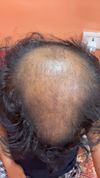
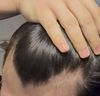
Treating alopecia androgenetica with limited options, such as spironolacton, dutasteride, finasteride, minoxidil 5%, Rogaine foam for men, a shampoo with ketoconazol, iron supplement and dermarolling.
A doctor advised against using finasteride or dutasteride for hair loss, suggesting PRP or mesotherapy instead, which led to skepticism about his motives. Many users recommended finding a new doctor and shared experiences of successful treatments with finasteride or dutasteride.
The conversation discusses hair loss treatments, specifically using Minoxidil, finasteride, and RU58841. The focus is on progress observed at the temples after one month of treatment.
A 30-year-old male using finasteride for hair loss has high testosterone and estrogen levels but no side effects. He is advised to monitor hormone levels, consider dietary changes, and use additional treatments like vitamin D3, minoxidil, and dutasteride for hair growth.
Continue using finasteride and minoxidil for hair loss, as better treatments like Breezula, Pyrilutamide, and PP405 are being developed. These future solutions promise fewer side effects and improved results.
The user has been using a hair loss treatment regimen including RU58841, minoxidil, and dutasteride, but still experiences hairline recession and fatigue despite high testosterone levels. They are considering adjusting their dutasteride dosage due to concerns about libido and energy levels.
Despite using 5% minoxidil, 0.1% finasteride, and other treatments like microneedling, MK-677, and Cialis, hair loss continues with high testosterone and DHT levels. Considering oral dutasteride but concerned about further increasing testosterone levels.
The user is using topical minoxidil and oral finasteride for hair regrowth, with plans for a future hair transplant. They are considering additional treatments like dermastamping and exploring options for dutasteride, which is unavailable in their country.
People are discussing experiences with finasteride for hair loss after being on testosterone for over two years. Users report varying results, with some experiencing regrowth and no side effects, while others emphasize the importance of starting treatment early to prevent further hair loss.
A user suggests using a poop-based solution for hair growth, comparing it to fertilizing nails. Others humorously respond, with one mentioning microneedling as a similar concept.
A 23-year-old male experiencing severe hair loss stopped treatments for a year and is considering a hair transplant. Suggested treatments include Minoxidil, finasteride, and RU58841.
The conversation discusses a comprehensive hair regrowth regimen including Dutasteride, Finasteride, microneedling, RU58841, oral and topical Minoxidil, Tretinoin, and Vitamin D3. Suggestions include dropping Finasteride, increasing Dutasteride, and considering additional treatments like caffeine, melatonin, and laser therapy, while emphasizing the effectiveness of Dutasteride and Minoxidil.
The conversation discusses using finasteride, dutasteride, RU58841, and testosterone to combat hair loss and block DHT, with some users expressing concerns about side effects and vegan options for medication. The discussion also touches on personal experiences with hormone treatments and the desire to maintain a youthful appearance.
The user is experiencing severe side effects from finasteride, including sleep issues, depression, and gynecomastia, and is considering stopping the medication. They are exploring other treatments like RU58841 and dutasteride but are hesitant due to potential side effects.
Finasteride may take over two years to show results and can cause side effects like sexual dysfunction and emotional changes. Alternatives such as dutasteride and minoxidil are discussed, with varying effectiveness and side effects.
An 18-year-old is maintaining a stable hairline using Minoxidil, topical finasteride (Fynzur), and Dermastamp, and is considering adding oral finasteride for prevention. They seek advice on whether starting oral finasteride early is necessary given their family history and current regimen.
A 21-year-old male experienced side effects from topical finasteride and is seeking alternative treatments to maintain hair until Breezula is available. He is considering using minoxidil, Nizoral, micro-needling, and vitamin D supplementation, and may try CB or RU58841 if necessary.
The conversation discusses treatments for Androgenetic Alopecia, including Minoxidil, finasteride, RU58841, and topical caffeine. It emphasizes that there are multiple treatment options available in 2025.
A 27-year-old seeking affordable hair transplant clinics, particularly in Mexico, after using finasteride for years. Recommendations for Dr. Nader and Dr. Cortez were mentioned.
GT20026 is discussed as a potential treatment for hair loss that targets androgen receptors without affecting hormone levels, but it may not promote significant regrowth. It is expected to be available by 2028, with other treatments like Breezula and Clascoterone also mentioned.
The conversation discusses progress with a hair loss treatment regimen that includes once daily topical Finasteride, Pyrilutamide, and WAY-316606. Specific treatments for hair loss are being shared and discussed.
User "manlycoffee" shares 25-month progress using Dutasteride, RU58841, Minoxidil, Microneedling, Nizoral, T/GEL, and fixing vitamin D levels for hair loss. Users discuss sources, experiences, and side effects of treatments.
The conversation is about the effectiveness of hair loss treatments like finasteride, dutasteride, and minoxidil. Users agree these treatments help maintain hair but don't guarantee miraculous regrowth, emphasizing early intervention for best results.
The user is treating hair loss with a regimen including Dutasteride, oral and topical Minoxidil, microneedling, and various supplements for overall health. They are considering adding tretinoin, stemoxydine/RU, DIM, Boron, and Fadogia Agretis to their routine.
The conversation discusses hair loss treatments, including minoxidil, finasteride, biotin, folic acid, zinc, micro-needling, niacin, and cipaxil, with the user preparing for a hair transplant. The user experiences side effects with topical finasteride and is hesitant to try oral dutasteride.
A non-binary transfeminine person experienced significant hair regrowth after starting finasteride, minoxidil, microneedling, and hormone replacement therapy with estradiol. They encourage trans individuals concerned about hair loss to consider estrogen as it has greatly improved their hair condition.
A new hair loss treatment claims a 539% improvement over placebo, but skepticism remains due to lack of substantial evidence and reliance on percentage figures. Users discuss the effectiveness of existing treatments like Minoxidil and Finasteride, expressing doubt about the new solution's impact.
The user was diagnosed with DUPA and initially treated with finasteride, then switched to dutasteride which worsened their hair loss. They are now returning to finasteride and adding treatments including oral minoxidil, Proscar, Viviscal, pumpkin seed oil, LLLT, and Nizoral shampoo, hoping for hair regrowth.
The user is experiencing hair loss despite using estradiol, bicalutamide, dutasteride, and topical minoxidil. They stopped minoxidil temporarily, which worsened their condition, and are considering oral minoxidil but are concerned about side effects and cost.
The conversation humorously discusses an extensive and exaggerated hair loss treatment regimen, including finasteride, dutasteride, minoxidil, pyrilutamide, RU58841, and various other therapies. Despite the numerous treatments, the effectiveness is questioned, and the user humorously considers adding more minoxidil.