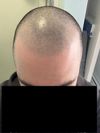
A 26-year-old has seen hair regrowth in 4.5 months using oral finasteride, topical minoxidil, and recently RU58841 on the temples. Suggestions include adding weekly microneedling to improve results.
A 21-year-old experienced significant hair regrowth using oral finasteride for 7 months, initially with minoxidil but later stopped due to inconvenience. He had no major side effects, except a temporary increase in sex drive, and plans to continue finasteride.
A 30-year-old male using finasteride for hair loss has high testosterone and estrogen levels but no side effects. He is advised to monitor hormone levels, consider dietary changes, and use additional treatments like vitamin D3, minoxidil, and dutasteride for hair growth.
The user is concerned that drinking spearmint tea while on finasteride might harm sperm count, mobility, and testosterone levels, despite seeing positive effects on hair. They seek advice on whether to continue or stop the tea.
A woman experienced hair regrowth after using self-prescribed finasteride and dutasteride from online sources, despite doctors' reluctance to prescribe these due to potential birth defects. Her dermatologist acknowledged the effectiveness of these treatments and advised her to continue using them while avoiding pregnancy.
Users discuss their positive experiences with finasteride for hair loss, mentioning halted hair loss, hair regrowth, and improved self-esteem. Some express satisfaction in taking action against baldness, while others note increased libido and energy.
The conversation is a humorous take on someone's reaction after their first dose of finasteride for hair loss. Specific treatments mentioned include scalp massage and a protocol of manifestation twice daily.
A user considered restarting finasteride for hair loss despite past side effects, which worried their girlfriend. Others suggested alternatives like topical treatments or lower doses and emphasized prioritizing well-being and relationship stability.
A 36-year-old man is considering starting oral finasteride and minoxidil, using ketoconazole shampoo, and possibly getting a 3000-graft FUE hair transplant. He previously had scalp micropigmentation but is now exploring medication due to fewer concerns about side effects.
The user experienced hair thinning and used Minoxidil and Finasteride over 20+ years, with periods of stopping and restarting treatment, and eventually had a hair transplant. They are considering restarting Minoxidil and Finasteride and are curious about the effectiveness and potential shedding after resuming the treatment.
The conversation discusses the theory that finasteride-induced erectile dysfunction (ED) is related to blood flow rather than hormonal changes. The user suggests that lowering LDL cholesterol aggressively might improve ED symptoms for those on finasteride.
The conversation humorously discusses hair loss treatments, including minoxidil and finasteride, with a satirical suggestion of using fence castration as a natural finasteride for male deer. Participants joke about the side effects and effectiveness of these treatments.
The user experienced significant hair regrowth using 1mg oral finasteride, DIM, and beetroot powder, while also focusing on gut health and reducing alcohol intake. Other users discussed the importance of iodine, fermented foods, and maintaining a balanced diet for overall health and hair improvement.
A 34 year old female with androgenic alopecia who has tried treatments such as Spironolactone, Desogen, Minoxidil and Finasteride in order to address her hair loss. It also details the experiences of other women taking Spironolactone for Female Pattern Hair Loss (FPHL).
The conversation discusses using shou wu chih or fo-ti/he shou wu for hair loss, with OP noticing stiffer beard and body hair. A user warns about potential liver damage from fo-ti and questions the effectiveness of alternative medicine.
The conversation humorously discusses hair loss treatments like finasteride and minoxidil, noting minoxidil's toxicity to cats. It jokes about a lion needing hair restoration, with references to hair transplants in Turkey.
ABS-201 shows promise for male hair regrowth by blocking the prolactin receptor, with higher expected efficacy than current treatments. The discussion also covers dosing differences between macaques and humans for hmi115, highlighting a significant dosage disparity.
The conversation is about future hair loss treatments. Current treatments mentioned include finasteride, minoxidil, and RU58841, with potential future treatments like GT20029, TDM-105795, JW0061, and follicle cloning.
Finasteride may be losing effectiveness for the user after 4.5 years, possibly due to intense workouts or a synchronized hair shedding cycle. Suggestions include switching to Dutasteride or continuing with Finasteride while considering a hair transplant for hairline density.
A 48-year-old male experienced hair regrowth after using oral finasteride for 3 years, despite stopping due to side effects like depression and low energy. He achieved a fuller look with styling techniques and reported using organic shampoo and herbal treatments.
A 29-year-old male has been taking 1mg finasteride daily for 8 months and using 5% minoxidil with tretinoin but is experiencing increased hair shedding and higher DHT levels. He is concerned about the effectiveness of finasteride and has noticed low libido and occasional ED.
The conversation humorously discusses using semen as a topical treatment for hair growth, with users joking about its effectiveness and comparing it to other treatments like finasteride. The tone is light-hearted and sarcastic, with no serious endorsement of the method.
A user shared their successful hair regrowth journey using finasteride for four years, initially also using Rogaine. They experienced significant improvement, regrowing their hairline and crown, and noted being a hyper responder to the treatment.
A 19-year-old man is happy with his hair regrowth after 5 months of using finasteride and minoxidil, and he also found a supportive girlfriend while dealing with hair loss and acne. He emphasizes patience and taking progress photos for those struggling with similar issues.
A 22-year-old male with high estrogen levels is considering finasteride for hair loss but is concerned about potential side effects due to his hormone levels and family history of diabetes. Users suggest consulting a doctor, possibly an endocrinologist, and considering lifestyle changes like diet and exercise to address visceral fat and insulin resistance before starting treatment.
Finasteride is not a miracle drug; results vary widely, with only 2/5 getting good results. Combining treatments like minoxidil and finasteride may help, but expectations should remain low.
OP shared progress pictures 8 months after FUE surgery in Korea by Dr. Hyun, using Dutasteride. Users discussed the use of Dutasteride over Finasteride in Korea.
A 23-year-old with high estrogen levels is considering starting finasteride for hair loss and plans to use a low dose topical treatment while also seeking to lower estrogen levels. They will consult an endocrinologist for further guidance.
Finasteride and Minoxidil are popular treatments for hair loss, but opinions vary on their effectiveness and side effects. Some users report success, while others experience issues like gynecomastia or sexual dysfunction.
Hair loss and its potential treatments, such as minoxidil, finasteride, RU58841, dermarolling, and supplements. It discusses whether miniaturized follicles can be revived to grow again or must shed for new growth to appear.