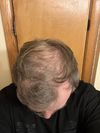
The conversation discusses the appearance of hair transplants immediately after surgery, noting that scars will be covered as hair grows. The original poster underwent both FUT and FUE procedures.
The conversation discusses combining topical and oral finasteride to address hair thinning, with concerns about safety and effectiveness. Users also mention alternatives like dutasteride and minoxidil, and the potential risks of topical treatments during pregnancy.
The Sons combination spray for hair growth includes 0.15% topical finasteride, 5% minoxidil, and 0.015% tretinoin. Users discuss potential side effects like reduced libido and application methods affecting absorption.
Spironolactone and finasteride are not recommended for women planning pregnancy due to birth defect risks. Both need to be stopped months before conception, and finasteride is generally not advised for women.
A 19-year-old male using 1 mg finasteride every two days for hair loss reports no side effects and believes maintaining his current hair condition is progress. Some users see no difference in hair regrowth, attributing changes to lighting.
The user is observing potential hair regrowth at day 46 using 1mg oral finasteride, 2.5mg oral minoxidil, 5% topical minoxidil, biotin, vitamin D, fish oil, and weekly dermal rolling. They are optimistic about the results despite skepticism from others.
User started oral finasteride 0.33mg daily and later made a topical solution with cetirizine and stemoxydine. They experienced hair growth progress after 8-9 months and discussed factors affecting their results.
Finasteride can aid hair regrowth but may cause side effects like depression and sexual dysfunction. Users discuss experiences with finasteride, minoxidil, and RU58841, highlighting varied responses and the importance of informed treatment choices.
The user is using a regimen of topical finasteride (.025% concentration), minoxidil, Nutrafol, and vitamin D to address hair loss. They experienced initial side effects but reported improvement over 11 weeks and are considering increasing the dosage.
A 31-year-old male shared his 3-year progress using finasteride 1 mg daily, with additional treatments including nutrafol, multivitamins, vitamin D, marine collagen, PRP scalp injections, micro-needling, and Nizoral. He experienced temporary libido issues but currently has no side effects.
A user shared progress pictures 12 months after a hair transplant and daily use of dutasteride. The conversation discusses the quality of comparison photos and the use of hair fibers.
Finasteride can be taken with or without food, but taking it with coffee on an empty stomach might cause diarrhea. It's generally safe to take finasteride at any time of the day.
A user shared progress pictures showing baby hairs appearing on their NW7 scalp after 4.5 months of using Propecia (finasteride) and minoxidil. They are hopeful these baby hairs will lead to full coverage.
Hair follicle regenerative therapy is being developed, with clinical trials planned in Japan, potentially allowing for hair cloning and eliminating the need for treatments like finasteride. If successful, the treatment could be available in Japan by 2025, but widespread access and affordability may take longer.
A user is seeking advice on a new topical hair loss treatment containing Minoxidil 3%, Finasteride 0.3%, Progesterone 1%, Hydrocortisone butyrate 0.1%, and Ketoconazole 0.5%. They are concerned about the systemic absorption of Finasteride and plan to do blood tests and a spermiogram before starting.
A user shared their positive experience with finasteride and a 1000 FUE hair transplant for the frontal region, noting significant improvement in the crown area with medication alone. They emphasized patience with finasteride, as results vary from person to person.
Sapphire FUE uses sapphire-tipped blades for more precise incisions, but the surgeon's skill and overall procedure management are more crucial for success than the blade type. Both Sapphire and Standard FUE can yield similar results, with recovery influenced more by individual factors and aftercare than the blade used.
The conversation humorously discusses the journey of deciding to use finasteride for hair loss, with a focus on a funny Facebook post. It also touches on the idea of promoting finasteride use to future generations.
Tadalafil combined with finasteride seems to improve hair condition for the original poster, who has experienced gradual improvement in hair thinning. Other users discuss the effects of tadalafil on blood flow and its potential benefits for hair growth.
A user shared progress pictures after 3 months of using 1mg finasteride and 5mg oral minoxidil, asking if baby hairs will grow and the crown will improve. Replies praised the noticeable growth and expressed hope for continued improvement.
Topical finasteride absorption starts almost instantly, but the exact time needed for full absorption is unclear. Users suggest it may not need to stay on all day.
The user expresses positivity about managing hair loss and celebrates good hair days. They mention using finasteride (Propecia) as part of their treatment.
User has been using 1.25 mg finasteride and 2.5 mg minoxidil daily for 5 months, along with 5000 mcg biotin for 1.5 months. They noticed peach fuzz growth around month 4 and are seeking confirmation if this indicates hair regrowth.
User reported initial hair regrowth with 0.25 mg finasteride taken four times a week, experiencing a second shedding phase, and no side effects. They also mentioned using RU58841 without success and plan to stop after a year.
The user has been using finasteride for two months, along with dermarolling, Nizoral, aloe vera, rosemary oil, multivitamins, and fish oil, and is pleased with the hair improvement. The recommended dose of finasteride is 1mg per day.
The conversation discusses promising hair cloning research seeking commercialization partners. Cultured hairs formed with pigment, indicating positive progress.
The conversation discusses hair regrowth progress using finasteride, with suggestions to add minoxidil and microneedling for better results. The user experienced noticeable improvement and plans to consider a hair transplant.
The conversation discusses the link between increased estrogen and autoimmune diseases, with a focus on avoiding soy and milk. It also mentions treatments like Minoxidil, finasteride, and RU58841 for hair loss.
A user recovered their crown using finasteride, dermarolling, and vitamins, and had a hair transplant for their hairline. They experienced no side effects from finasteride except increased libido and also take zinc, biotin, trace minerals, kelp, and vitamin D.