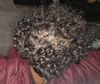
The user expresses positivity about managing hair loss and celebrates good hair days. They mention using finasteride (Propecia) as part of their treatment.
The user reports progress in hair regrowth using finasteride every other day, topical minoxidil once daily, ketoconazole twice a week, and Vitamin D3 with zinc. They note improvement in temple areas and the appearance of baby hairs.
Probiotics like L. reuteri ATCC PTA 6475 and B. longum BB536 may improve hair growth and density by reducing inflammation and reversing DHT damage. The user is trialing these probiotics personally, ordering them from the U.S. to Canada, and plans to continue if no adverse effects occur.
Clinical studies by Dr. Barghouthi and Dr. Bloxham indicate that Verteporfin, when used with FUE and FUT hair transplantation methods, shows promise in hair follicle regeneration and minimal scarring due to its ability to inhibit Yes-associated protein (YAP). Microneedling at depths of 3-3.5mm, combined with Verteporfin, could potentially reactivate dormant follicles, although the optimal dosage and application method are still under investigation. Concerns remain about the DHT sensitivity of regenerated follicles, highlighting the need for further research to optimize trauma levels and Verteporfin concentrations to achieve effective and scar-free hair regeneration.
An 18.5-year-old experiencing rapid hair loss is being treated with saw palmetto, vitamins, and red light therapy, but these seem ineffective. The consideration of finasteride is discussed, weighing its potential side effects against the emotional impact of early hair loss.
A user's experience with using 5AR inhibitors (Finasteride and Dutasteride) in combination with Minoxidil foam and microneedling, which resulted in substantial improvements to their crown density and hairline, despite high systemic levels of testosterone and dihydrotestosterone.
The conversation is about adding a low dose of pyrilutamide to a hair loss treatment regimen. Specific treatments mentioned include Minoxidil, finasteride, and RU58841.
User considers trying RU58841 for hair loss and asks for advice on its effectiveness and application. Responses vary, with some reporting positive results and others warning about potential risks or lack of change.
A user purchased an expensive hair loss treatment called Follicopeptide, which many others in the conversation believe to be a scam, suggesting instead the use of proven treatments like minoxidil and finasteride. Some users report positive effects from Follicopeptide, but skepticism remains high due to lack of transparency about its ingredients and the company's credibility.
NAD⁺ precursors and EGCG may increase hair density, but users report mixed results with no significant hair gains. Some users suggest combining these with finasteride or dutasteride for better results.
The conversation discusses the effectiveness of RU58841 for hair loss compared to pyrilutamide, which failed to show significant hair regrowth in trials. Some users report personal side effects with RU58841 and question the criteria for success in hair loss treatments.
Hair loss discussion involves treatments like Minoxidil, Finasteride, and RU58841. Stemoxydine may be effective, but results may take at least 3 months due to hair cycle.
A 27-year-old male with ADHD is experiencing hair thinning and is starting a treatment with topical finasteride (0.025%) and minoxidil (5%). He is addressing high prolactin levels and low vitamin D, while managing side effects from ADHD medication.
The conversation provides scientific sources on hair loss treatments like finasteride, minoxidil, and others, aiming to help individuals make informed decisions about their treatment options. It also discusses phytochemicals as alternative treatments due to concerns about side effects from drug-based therapies.
Mallia Aesthetics has developed MAL-838, a hormone-free product derived from sCD83, which stimulates hair growth without disrupting the skin microbiome. sCD83 promotes hair growth by activating hair follicles and preventing cell death, offering a localized treatment without systemic side effects.
A user applied a homemade topical finasteride solution daily for 35 days, reducing hair shedding significantly with minimal side effects. They plan to continue for 90 days and will provide further updates.
The conversation discusses sourcing pyrilutamide from China for hair loss treatment, highlighting its potency compared to other AR antagonists like bicalutamide and RU58841. The user expresses interest in trying pyrilutamide despite mixed results in clinical trials.
Hair loss discussion includes treatments like Minoxidil, finasteride, and RU58841. Conversation focuses on foods with sufficient procyanidin b2, such as dark chocolate and apples, and the required dosage.
A new serum claims to enhance hair regrowth by amplifying oxygen delivery, improving the effectiveness of treatments like exosomes and peptides. Users are skeptical, questioning its efficacy compared to established treatments like Minoxidil and Finasteride.
User tried topical finasteride mixed with minoxidil, Nizoral shampoo, oral minoxidil, and FUE hair transplant for hair loss. User asks when it's safe to trim hair after transplant and considers trying RU58841 or pyrilutamide.
The conversation discusses the potential of Verteporfin for hair regeneration and improving hair transplant surgery to leave no scars. Specific treatments mentioned include Minoxidil, Finasteride, and RU58841.
After suffering from hair loss and Seborrheic Dermatitis for three years with no improvement from various treatments, the individual found success with COQ10 and PQQ supplements, which led to new hair growth and a healthy scalp without flare-ups. They also plan to start additional supplements recommended by a dermatologist.
A 31-year-old male experienced hair shedding after rapid weight loss and stopping vitamins, despite using minoxidil and other supplements. He is considering Saw Palmetto and Pumpkin Seed Oil instead of finasteride due to trying for kids, and is concerned about high ferritin and DHEAS levels.
Tocotrienols are being discussed as a potential treatment for hair regrowth, but users report no noticeable effects after several months of use. Some users are combining tocotrienols with other treatments like pumpkin seed oil and peppermint and rosemary oil.
A user discusses using a serum called Dallixa, containing minoxidil-like and bimatoprost-like compounds, for hair loss and greying. The user's dermatologist advised against finasteride and suggested the serum might improve hair pigmentation.
A serum with oleic and palmitoleic acids shows promise for hair regrowth in mice, but its effectiveness in humans is unproven. Minoxidil and finasteride remain the recommended treatments.
RU58841 may pose cancer risks due to its antiandrogen properties and lack of long-term safety data. Using it is considered a high-risk experiment with unknown potential for harm.