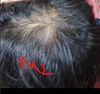
User shares 6.5 months of progress using topical finasteride 0.1% and minoxidil 10%, along with lasercomb, dermaroller, Nizoral, scalp massager, and biotin. They seek feedback on their results.
A 21-year-old male is using finasteride, minoxidil, and had a hair transplant to address lifelong thin, diffuse hair loss. Progress pictures show changes over two months.
A user shared their 3.5-year hair loss treatment journey using finasteride and minoxidil, showing significant hair density improvement and no noticeable side effects. The user also mentioned the confidence boost from shaving their head and the positive impact of the treatments.
A 30-year-old male switched from finasteride to a combination of dutasteride, oral minoxidil, and RU58841, achieving significant hair growth without side effects. He plans to add GHK-Cu peptide to his regimen for further improvement.
A sugar gel called 2-deoxy-D-ribose (2dDR) shows potential for promoting hair regrowth by increasing blood supply to hair follicles, similar to Minoxidil, but its effectiveness in humans is unproven. It may benefit those who don't tolerate Minoxidil, but it is not a replacement for treatments like Finasteride or RU58841.
.
This conversation is about a user's progress while using minoxidil and finasteride to treat hair loss, with emphasis on taking oral finasteride at night before bed for optimal results. They also discuss the brand of medication being used (Morr F 5%) and the importance of taking a generic version of the same drug.
Sulforaphane, found in broccoli sprouts, promotes hair growth by degrading DHT. Users discuss its potential benefits and joke about unconventional application methods.
A user's progress with treating hair loss over 3.5 months, which involves taking finasteride MWF, minoxidil daily and microneedling once a week. There was positive feedback from other users regarding the results.