PP405 is a topical gel being tested for hair regrowth in adults with androgenetic alopecia. Volunteers aged 18-55 are needed for a 16-week trial in several US locations.
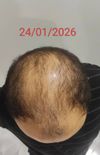
A 19-year-old male shared progress pictures showing hair regrowth on his scalp after starting a treatment with Minoxidil and Finasteride on November 24th. He noted improved hair texture and a halt in hair shedding for the past two weeks.
A user discusses a company, Roots by Genetic Arts, that offers a genetic test for hair loss to create personalized treatments, and is curious about its legitimacy and the science behind it. The company tests 16 genes related to hair loss and compounds a topical treatment based on the results.
The user has accepted their hair loss and uses finasteride and minoxidil, with past use of RU58841 and dutasteride. They seek advice on supplements to slow down graying hair.
The user is experiencing increased hair shedding and is concerned about regression despite consistent use of finasteride, minoxidil, and other treatments. The consensus is that this is likely a temporary shedding phase, and adjustments to the dermarolling frequency are suggested.
Follicium XR™ is a topical treatment for hair loss containing RU58841, AHK-Cu, GHK-Cu Peptide, caffeine, D-Biotin, methylene blue, keratin, and spermidine. RU58841 is considered the most effective ingredient, but concerns exist about its stability in water.
A 17-year-old is considering starting finasteride and minoxidil for hair loss, despite concerns about potential side effects and the impact on development. The user is advised to check if puberty is complete and to consider using only minoxidil until adulthood.
Finasteride can cause gynecomastia due to hormonal imbalances, and using an aromatase inhibitor like anastrozole can help manage these side effects. It's important to work with an endocrinologist to address these issues safely.
People are discussing the use of finasteride for hair loss and the importance of hormonal blood testing to monitor effects like changes in DHT and estradiol levels. Some users also mention using minoxidil and the potential side effects of estradiol, such as gynecomastia, especially at higher doses.
The conversation is about starting finasteride for hair loss, with concerns about high free testosterone and potential side effects like gynecomastia. The user plans to address vitamin deficiencies before beginning the treatment.
A user reports hair regrowth at the temples after starting 0.33g of finasteride every other day in January, combined with weekly microneedling sessions. They experienced sexual side effects at higher doses, which improved with a lower dose and supplements like broccoli extract and l-citrulline.
Finasteride increased the user's estrogen levels by 51%, causing concerns about gynecomastia and sleep issues. Despite potential side effects, the user prefers continuing finasteride to prevent hair loss, considering it essential for self-esteem.
The user has experienced significant hair regrowth using finasteride, oral minoxidil, microneedling, keto shampoo, an LLLT helmet, vitamins, and supplements. They note progress but hope for further improvement in a specific area.
The user has been using finasteride for 30 years and recently added colostrum to their routine, noticing darker hair regrowth. They experienced shedding with minoxidil and advise against its use, while highlighting the benefits and side effects of long-term finasteride use.
KX826 is considered a legitimate option for those who cannot use finasteride or dutasteride, but many users report it as ineffective compared to RU58841. RU58841 is favored by some due to anecdotal evidence of effectiveness, despite the lack of published clinical data.
RU58841 users report mixed results, with some experiencing no benefits and others noting regrowth but potential side effects. Many prefer finasteride and minoxidil due to better-studied safety profiles.
The user regained hair and reduced forehead size using a routine of 1mg finasteride, 5mg minoxidil, topical minoxidil twice daily, tretinoin before minoxidil, derma stamping weekly, red light therapy daily, and ketoconazole shampoo thrice weekly. They experienced initial side effects with finasteride but adjusted the dosage over time.
A potential new hair loss treatment, HMI-115, and the possibility of discontinuing finasteride in favor of it. The conversation also includes discussion about other benefits of using finasteride.
The user is generally happy with their hair transplant results but has concerns about graft density and placement, particularly on the left temple and hairline. They are using finasteride and minoxidil inconsistently, plan to add Priorin, and are considering microneedling and PRP sessions for future care.
Treatments for hair loss, specifically discussing the use of RU58841 and Pyrilutamide from Actifolic. The poster is inquiring about experiences with these products and results.
A sugar gel has been found to aid hair regrowth, similar to minoxidil, and may improve blood supply to hair follicles. Some users report success with homemade versions, though side effects like dizziness have been noted.
Pelage PP405 is a new hair loss treatment in trials, potentially reactivating dormant hair follicles without affecting hormones. Results are expected in February 2025, offering an alternative to minoxidil and finasteride.
NMN shows promise in promoting hair growth by reducing oxidative stress and weakening androgens. It may be a beneficial addition to hair loss treatments like Minoxidil and Finasteride.
The user is excited about their hair regrowth after 10 weeks using oral finasteride, topical minoxidil, ketoconazole, dermarolling, and vitamin D. They've seen significant hair thickening and believe minoxidil and dermarolling are the main contributors to their progress.
The user experienced significant hair regrowth after 9 months of using finasteride, with minimal use of minoxidil. They reported no side effects and emphasized patience and consistency in their treatment routine.
The conversation is about a user's one-year progress after a 3,200 graft FUE hair transplant and their use of oral finasteride and minoxidil. People are impressed with the results and are discussing the effectiveness and cost of the treatment.
A user reported visible hair regrowth after using finasteride for almost six months and inquired if results continue improving over time. They also mentioned using finasteride with sulforaphane and experiencing only minor side effects initially.
A 22-year-old is experiencing increased hair shedding and a greasy scalp after two months on 1mg finasteride. They are documenting their progress and seeking advice, with feedback suggesting that shedding is normal and results may take 6-12 months.
The conversation discusses hair loss linked to BDNF-increasing nootropics like Semax and Lions Mane. Suggested topical treatments include capsaicin, beta-glucan, and ginseng to counteract TGF-B activation.