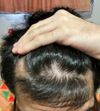
The conversation is about using finasteride and KX826 for hair loss treatment. The original poster is using 0.25 mg of finasteride every other day due to side effects at a higher dose.
A 20-year-old male is experiencing worsening diffuse thinning despite using topical minoxidil, topical finasteride with minoxidil, oral finasteride, stemoxydine, and pyrilutimide. He is seeking support and advice as he struggles with the mental and physical challenges of hair loss treatments.
A user underwent a 2,550 FUE hair transplant and started taking dutasteride 0.5mg. They previously tried RU58841, minoxidil, and microneedling but avoided finasteride and dutasteride due to side effects.
A user shared their impressive hair regrowth progress after 5 months using 1mg oral finasteride every other day, 2.5mg oral minoxidil daily, weekly dermastamping, and daily scalp massages. They reported no side effects and began seeing improvement after 2.5 months.
The user "Emotional_Fun4990" shared their progress after using 1mg Finasteride daily, 5% Minoxidil, and a 0.5mm Derma-roller twice a week for 2 months. They noticed additional hair growth below the hairline and on the neck. Other users provided positive comments and encouragement.
A user in their mid-30s experienced unexpected hairline regrowth after starting a new supplement stack, despite being on a regimen of finasteride, minoxidil, and Nizoral for over four years. The new supplements include Tongkat Ali, Fadogia Agrestis, Panax Red Ginseng, Vitamin B1, Vitamin D3, Zinc Picolinate, Magnesium Glycinate, Maca, and L-Citrulline.
The conversation discusses managing gynecomastia symptoms potentially caused by finasteride use, with treatments including reducing finasteride dosage, using DIM, ashwagandha, tamoxifen, epistane, and arimistane. Users share experiences and advice on balancing testosterone and estrogen levels to address symptoms.
The user shared progress pictures showing hair improvement from using oral finasteride and topical minoxidil between September 2023 and May 2026. Responses express amazement at the results.
User seeks participants for Verteporfin group buy. Verteporfin, FDA approved, may regenerate hair follicles and sweat glands through heavy microneedling.
Everychem's solution, similar to PP405, has mixed results for hair regrowth, with some users reporting improvements and others seeing no change or worsening hair loss. Users are sharing experiences and updates to determine its effectiveness.
A 42-year-old experienced significant hair regrowth after 12 weeks on an oral combination of finasteride (1 mg) and minoxidil (2.5 mg), with noticeable improvements and no side effects. The user is considering continuing the treatment for a year due to the unexpected positive results.
PP405 is a new hair growth stimulant different from Minoxidil, currently in phase 2 trials. Users discuss its potential, safety concerns, and the long wait before it might be available.
A 19-year-old has been using a regimen of 5% topical minoxidil and 1mg oral finasteride for three months to combat early-onset balding. The user reports some progress and plans to continue the current treatment, while others suggest considering additional treatments like dutasteride for more aggressive cases.
A product called "PP405 Hair Follicle Serum" is being sold on Shopee, claiming to cure baldness without clinical trials or FDA approval, but users are skeptical and refer to it as "snake oil." Some users discuss testing the product's contents, while others share their experiences with hair loss treatments like finasteride.
A new hair loss treatment, pp405, may regrow hair better than finasteride and minoxidil, with potential availability by 2028. However, there is skepticism about its effectiveness and commercialization timeline.
A 25-year-old is using a nightly routine of topical finasteride 0.3% and minoxidil 6%, along with a derma roller and Nizoral shampoo, to address crown hair loss. The user reports no side effects and noticeable improvement over 2.5 months.
A 20-year-old is using a regimen of 5% Minoxidil, 0.1% Finasteride topical solution, derma rolling, and ketoconazole shampoo for hair loss, experiencing some regrowth but also shedding. They are considering increasing derma roller size and possibly adding oral Finasteride or dutasteride for better results.
A 20-year-old with a family history of male pattern baldness is seeking advice on using finasteride due to an allergy to minoxidil. They are considering whether to use topical or oral finasteride and what dosage to take.
A 20-year-old has been using minoxidil for 6 months and is starting finasteride to address hair loss. They express concern about whether their hair can regrow.
A user experienced hair loss due to a folic acid deficiency and saw hair regrowth after taking a folic acid supplement. They advise checking for a folic acid deficiency before spending money on other treatments.
The conversation discusses the potential updates on the pp405 trial for hair loss, with completion expected by December 2025. Participants express skepticism about new treatments, suggesting continued use of finasteride, while others hope for innovative solutions beyond current medications.
An 18-year-old male has been taking oral finasteride 0.25 mg daily for almost four months to address hairline recession, experiencing mild sexual side effects like softer erections and lower libido. He also uses Tugain 5%, ketoconazole, and vitamins, noticing slowed shedding but no major regrowth, and seeks advice on managing side effects and hair loss.
The conversation discusses the differences between PG/Ethanol and KB solutions for RU58841 application, focusing on potential scalp irritation. KB solution is suggested for those allergic to PG, though both contain ethanol which can dry the scalp.
GHK-Cu is discussed as a potential hair loss treatment, with claims of promoting hair growth and possibly reversing gray hair, though strong clinical evidence is limited. The user also mentions using Minoxidil, red light therapy, and microneedling.
A user's successful hair regrowth journey using a cocktail of finasteride, minoxidil, and ketoconazole. The user started seeing noticeable results after 8 months and also incorporated saw palmetto, biotin, keratin, and dermarolling into their routine.
The conversation discusses positive initial trial results for GT20029, a topical compound for hair loss that degrades androgen receptors, potentially requiring only weekly application. Participants express hope for this treatment to be more effective and convenient than current options like Minoxidil, Finasteride, and RU58841.
A 22-year-old male experiencing hair loss suspects androgenetic alopecia (AGA) and possibly telogen effluvium (TE), with a noted improvement in scalp itch after adopting a gluten-free diet. He is advised to consider treatments like finasteride or minoxidil and to check iron and ferritin levels.
A 21-year-old shares their one-year progress using finasteride for hair loss, experiencing initial shedding but eventual regrowth, especially on the crown. They consider switching to dutasteride due to continued hair loss at the front temple and mid-scalp areas.
PP405 may promote short-term hair growth by pushing follicles into the growth phase, but concerns exist about long-term effects due to lack of rest phases. Users discuss various treatments like finasteride, minoxidil, spironolactone, alfatradiol, and investigational drugs like KX-826 and GT20029 for hair maintenance and regrowth.