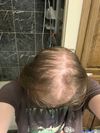
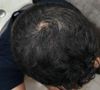
The user has been using topical finasteride since October without improvement and is considering adding a caffeine product with dimethylglycine. Another user suggests caffeine is more promising and advises consulting a dermatologist about the lack of progress with finasteride.
A 19-year-old male shared progress pictures showing hair regrowth on his scalp after starting a treatment with Minoxidil and Finasteride on November 24th. He noted improved hair texture and a halt in hair shedding for the past two weeks.
Pelage Pharmaceuticals raised $120M for their hair loss treatment, PP405, showing strong investor confidence despite limited data. There is skepticism about its efficacy and long-term effects compared to treatments like GT20029.
A user stopped finasteride due to side effects and rapid hair loss, considering a hair system. Others suggested alternatives like dutasteride, minoxidil, and topical finasteride.
Finasteride can cause gynecomastia due to hormonal imbalances. Management includes consulting an endocrinologist and using aromatase inhibitors like anastrozole or supplements like DIM and zinc.
GHK-Cu and AHK-Cu peptides show limited success for hair loss, with skepticism about their effectiveness and concerns about misleading claims. Users report better results when combined with treatments like finasteride, dutasteride, minoxidil, and other methods.
Jamesdunn8811 has been using a combination of finasteride and minoxidil to treat his hair loss over the past four months, with successful results. He has experienced no side effects and noticed increased thickness and baby hairs growing in both temples.
The conversation is about a user seeking information on a clinical trial by Amplifica - Scube3 for Androgenetic Alopecia (AGA). The user is unsure if it's a formal phase 1 study.
A 35-year-old transgender woman experienced hair regrowth with feminizing HRT, adding dutasteride and bicalutamide, and plans a hair transplant for further improvement. Estrogen also improved skin appearance, and the user advises against cisgender men using feminizing HRT for hair regrowth.
GHK-Cu and Acetyl Tetrapeptide-3 are ineffective for hair regrowth according to user experiences. Effective treatments mentioned are finasteride, dutasteride, and minoxidil.
The conversation is about a user trying a 0.2% Alfatrafiol treatment for hair loss, combined with Kx826, Minoxidil, microneedling, and ketoconazole. The user reports reduced itching and discusses sourcing the treatment.
A 21-year-old is using finasteride and previously used minoxidil for hairline concerns, considering a hair transplant despite no visible balding. They are advised to continue finasteride as a preventive measure.
The user experienced good hair regrowth using natural methods and mechanical stimulation but decided to add finasteride to their regimen for better results. They are optimistic about further regrowth and plan to update on the effects of finasteride, noting no significant side effects so far.
A 23-year-old with diffuse thinning for 2 years is using Finasteride 1mg, prescribed by a dermatologist, and is seeking advice on regrowth expectations. Replies suggest continuing Finasteride, possibly adding Minoxidil, and being patient with results.
The conversation is about the anticipation of results for a hair loss treatment study, specifically for GT20029, with expectations for the results to be released in the first quarter of 2024. No specific treatments were discussed.
A user with high pre-finasteride estrogen levels is asking if they need to normalize their hormone levels before starting finasteride and whether they should postpone dermarolling until they begin finasteride. The user is 21.5 years old.
A 21 year old male who has been using finasteride and minoxidil for 3 months to treat hair loss, and others sharing their experiences with the same treatments.
A 23-year-old male plans to temporarily stop finasteride to donate plasma for financial reasons and seeks alternative hair loss treatments like minoxidil, ketoconazole, or RU58841 during this period. He is open to suggestions to prevent further hair loss until he can resume finasteride.
The user has been using 1mg finasteride and 2.5mg oral minoxidil for three months, noticing new blonde hairs but experiencing ongoing shedding. They also use GHK-Cu, which has improved skin but not hair.
A user experienced hair loss due to a folic acid deficiency and saw hair regrowth after taking a folic acid supplement. They advise checking for a folic acid deficiency before spending money on other treatments.
A 32-year-old man has been treating his hair loss with daily oral finasteride (1.25g), twice-daily topical minoxidil, weekly ketoconazole 2% shampoo, and weekly microneedling for almost three months, with no side effects from finasteride. He started with a Hamilton Norwood scale rating of 5 and has seen improvement without experiencing pain by using a 0.8mm needle length for microneedling.
A 23-year-old is using 0.25mg Finasteride for hair loss and experiencing increased shedding after initial reduction. Advice given is to wait longer for results, as hair cycles take time to adjust, and consider increasing the dose if no improvement occurs in a few months.
A user reports hair regrowth at the temples after starting 0.33g of finasteride every other day in January, combined with weekly microneedling sessions. They experienced sexual side effects at higher doses, which improved with a lower dose and supplements like broccoli extract and l-citrulline.
BackToTheFutehair's 3.5 month progress update on their hair loss treatment regimen of finasteride, minoxidil, and microneedling which has led to a significant improvement in thickness and life to the hair. Others have provided encouragement and advice for future treatments.
The conversation introduces a specialized chatbot for ChatGPT Plus users that provides advice on hair loss treatments, drawing from research and community insights. It mentions treatments like RU58841, the "big 4" (likely minoxidil, finasteride, ketoconazole, and tretinoin), dutasteride mesotherapy, topical melatonin, microneedling, and rapamycin.
A 22-year-old male has been using oral finasteride (1.2mg) and oral minoxidil (2.5mg) daily for 3.5 months, along with vitamin D, fish oil, iron, and biotin, and reports significant hair growth without side effects. The user plans to continue the treatment and is considering cutting hair to assess progress more accurately.
The conversation discusses concerns about using a high concentration of 1% topical finasteride for hairline balding, with some users suggesting starting with a lower dose. It also mentions the use of GHK-CU peptide and the importance of considering the formulation to avoid excessive absorption.
User "manlycoffee" shares 25-month progress using Dutasteride, RU58841, Minoxidil, Microneedling, Nizoral, T/GEL, and fixing vitamin D levels for hair loss. Users discuss sources, experiences, and side effects of treatments.
The post discusses a 21-year-old male's successful hair regrowth after 80 days using 0.5mg of oral finasteride daily, 1ml of Minoxidil twice a day, and a 0.25mm derma roller twice a week. The comments encourage him to maintain the regimen to prevent hair loss again.