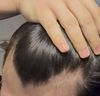
An 18-year-old is maintaining a stable hairline using Minoxidil, topical finasteride (Fynzur), and Dermastamp, and is considering adding oral finasteride for prevention. They seek advice on whether starting oral finasteride early is necessary given their family history and current regimen.
A 48-year-old man shared his 16-month hair regrowth journey using finasteride 1mg three times a week, noting some regrowth and emphasizing patience. He chose not to use it daily to minimize side effects, and while some users debate the effectiveness, he confirms maintenance and possibly some regrowth.
A potential new hair loss treatment, HMI-115, and the possibility of discontinuing finasteride in favor of it. The conversation also includes discussion about other benefits of using finasteride.
A user underwent a 5000 graft hair transplant in Istanbul, which included 900 beard grafts, after previously using finasteride with limited success. The procedure cost £4500, including transport and aftercare in both Istanbul and the UK.
A 41-year-old South Asian individual feels hopeless about hair loss and cannot use oral finasteride or dutasteride due to existing gynecomastia. They are seeking advice on alternative treatments.
Bicalutamide and spironolactone are being compared for their effectiveness and safety in treating female pattern hair loss. The conversation seeks advice on which is better to use.
A 23-year-old is considering finasteride for hair loss but is concerned about worsening pre-existing mild gynecomastia. They plan to start with a low dose and monitor symptoms, seeking advice from others with similar experiences.
The post discusses a user's six-year progress with finasteride and a Follicular Unit Transplant (FUT) for hair loss. The user shared before and after photos in reverse order, leading to confusion, but overall, the community responded positively to the user's hair regrowth.
The user had two FUT hair transplants with 4,600 grafts for increased density, costing about $11,000 each, and has been using oral minoxidil and finasteride for over five years without side effects. The results are natural-looking with no visible scarring, and the user finds the procedure valuable despite the cost.
A compound called MTP3 from the Monoterpene family was found to be safe and highly effective at treating hair loss by inhibiting the FGF5 gene, but its identity is undisclosed for commercial reasons. No specific treatments like Minoxidil, finasteride, or RU58841 were discussed.
A 34 year old female with androgenic alopecia who has tried treatments such as Spironolactone, Desogen, Minoxidil and Finasteride in order to address her hair loss. It also details the experiences of other women taking Spironolactone for Female Pattern Hair Loss (FPHL).
A user shared their positive experience with a hair transplant performed by Dr. Timothy Carman, using 1100 grafts via FUT surgery, and reported satisfaction with the results and minimal scarring. The user continues to use minoxidil and finasteride for hair maintenance.
GHK-Cu is a potent inhibitor of the type 1 5-alpha reductase enzyme in hair follicles, which may reduce hair loss without the side effects associated with type 2 5-alpha reductase inhibitors. The user previously experienced side effects with 5-alpha reductase inhibitors and is considering GHK-Cu as an alternative.
The conclusion of the conversation is that the user, AlgomasReturns, tried various treatments for hair loss but saw regrowth after starting finasteride. They recommend others to try it as well.
GT20029 showed significant hair growth and safety in phase II trials, with no adverse sexual events. Users are hopeful but concerned about future costs and systemic effects.
A 36-year-old male had a 3000-graft FUE hair transplant in Turkey, with 2000 grafts to the front and 1000 to the crown. Post-operation, he experienced nausea, dizziness, itching, and pain, but saw hair growth and plans to take pictures once redness subsides.
GT20029 showed promising results for hair growth in a Phase II trial, with the 1.0% twice-weekly regimen being the most effective. Some users expressed skepticism and humor about the product's effects and market availability.
A 24-year-old had an FUE hair transplant in Liverpool at age 23, after starting finasteride at 20 to halt hair loss. The transplant involved 3000 grafts, and the user is satisfied with the results, noting increased confidence and no further hairline recession.
A user is experiencing side effects from topical finasteride and is considering using a low dose of anastrozole to manage potential gynecomastia while continuing finasteride for hair loss. They are unsure whether to start the aromatase inhibitor immediately or wait to see if their body adjusts.
GT20029 is a potential treatment for androgenetic alopecia, addressing the root cause by targeting androgen receptors, unlike Minoxidil or Finasteride. It is seen as a preventative measure rather than a regrowth agent, with hopes for market release soon.
The user is experiencing severe hair shedding after taking finasteride for three weeks and plans to stop due to gynecomastia symptoms. Stopping finasteride may lead to some hair regrowth, but benefits from the treatment might be lost; topical alternatives are suggested.
The user stopped using finasteride after two weeks due to gynecomastia symptoms and shared blood work results questioning if they indicate a cause for the side effects. The user is considering restarting finasteride and seeking advice on their blood work levels in relation to gynecomastia.
The conversation discusses the use of Finastopic, a carrier for finasteride solutions by Isdin, and compares it to a standard propylene glycol (PG) solution. The user was prescribed a 1% finasteride solution using Finastopic and has been using a self-compounded 0.025% topical finasteride with minoxidil.
A 32-year-old user shared progress pictures after using finasteride for 12 months, starting with 0.25g for 5 months and then 0.5g for 7 months. They have not yet added minoxidil or dermarolling and will update at the one-year mark.
The user "Bardo95" shared their one-year progress using finasteride (FIN) for hair loss. They experienced thickening of their general thinning and received compliments on their progress. Other users discussed their own experiences with finasteride and expressed hope for similar results.
Finasteride can cause gynecomastia, which may be reversible by stopping the drug and using selective estrogen receptor modulators (SERMs) like tamoxifen. Lifestyle changes such as weight loss and avoiding alcohol can also help, but surgery may be needed if the condition persists.
Tressless GPT is now free and accessible for hair loss advice. Treatments discussed include Minoxidil, finasteride, RU58841, dutasteride mesotherapy, topical melatonin, microneedling, and rapamycin.