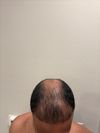
Men with early male pattern baldness (MPB) may have hormonal abnormalities similar to those in women with PCOS. Specific treatments mentioned include Minoxidil, Finasteride, and RU58841.
The safety of combining alfatradiol and fluridil with finasteride as a potential treatment for male pattern baldness, which is approved in the European Union. Other treatments such as minoxidil and RU58841 were also discussed.
Finasteride and Minoxidil effectively regrow hair but cause sexual side effects. The user is considering a Korean FUE hair transplant and is researching clinics and costs.
The user shared progress pictures showing hair regrowth over 4.5 months using 1.25mg finasteride daily and 2.5mg oral minoxidil daily, with no side effects reported. Commenters complimented the early treatment initiation and positive results.
A user who had FUT surgery for 2877 grafts with Dr Jerry Wong of Hasson & Wong that resulted in low growth and an abnormally wide scar, suggesting negligence by the doctor and possibly illegal behaviour by an unqualified technician. The post sparked discussion about seeking legal action, as well as criticism of the clinic's high cost.
A 23-year-old plans to use Minoxidil for 4 months, then add Finasteride to assess their effectiveness for hair loss. They will track progress with photos and consider switching treatments if results are unsatisfactory.
Follistatin, known for inhibiting myostatin and promoting muscle growth in mice, is being discussed as a potential treatment for hair loss. Specific treatments mentioned include Minoxidil, Finasteride, and RU58841.
The user experienced significant hair regrowth after using 1.25mg finasteride for 7 months, with no side effects, and is considering whether to keep or remove a previous SMP (scalp micropigmentation). They avoided minoxidil due to dandruff and sensitive scalp concerns, and they use a specific dandruff shampoo once a week.
A 49-year-old man has been using 1 mg of finasteride daily and microneedling weekly for four months to address hair loss, with no side effects and noticeable progress. He shares his experience and encourages others to consider treatment options without fear.
The conversation discusses a new product from Actifolic, which combines RU58841 and GHK-CU for hair loss treatment. The participants are considering whether it's worth trying.
A 19-year-old trans man has been using Finasteride 1mg for a little over two months and is concerned about worsening hair loss, noting a fuzzy and soft hairline and crown. The user is upset as the hair loss appears worse than before starting the treatment.
The user experienced high liver enzyme levels, possibly due to topical finasteride or supplements, and decided to stop using finasteride while continuing minoxidil. After stopping finasteride and supplements, liver levels returned to normal, suggesting finasteride or supplements might have been the cause.
A user who underwent a hair transplant in Istanbul to reduce balding, and the discussion of various treatments such as finasteride and growth hormone for preventing further hair loss.
A 27-year-old man experienced hair regrowth and gynecomastia from finasteride, leading to a cycle of stopping and restarting the treatment. He is considering gyno surgery and consulting an endocrinologist as potential solutions.
The user has scheduled a hair transplant after stabilizing hair loss with finasteride and minoxidil, considering additional dermarolling. They are advised to use 2500-3000 grafts conservatively for temple filling without lowering the hairline too much.
The post discusses a phase 2 trial for HMI-115, a hair loss treatment, in China, specifically seeking volunteers aged 18-65 with Norwood 3 vertex, 4, and 5 hair loss. The conversation includes questions about the specific recruitment criteria and how to volunteer.
The conversation discusses the idea of creating finasteride gummies for hair loss treatment, with some users expressing skepticism about their effectiveness compared to pills. Concerns include the potential for reduced drug delivery in gummy form and the risk of children mistaking them for candy.
The user is experiencing progress in hair growth using 0.5mg Finasteride, 5mg Minoxidil, and 1mg Biotin daily but is also developing gynecomastia. They plan to continue the treatment for six months unless the side effects worsen.
Low estrogen levels may reduce the risk of side effects from finasteride, such as gynecomastia. Some users plan to start with microneedling and minoxidil before trying finasteride, while others have experienced temporary side effects from topical finasteride but continued use without persistent issues.
A 35-year-old transgender woman experienced hair regrowth with feminizing HRT, adding dutasteride and bicalutamide, and plans a hair transplant for further improvement. Estrogen also improved skin appearance, and the user advises against cisgender men using feminizing HRT for hair regrowth.
A user who didn't respond well to minoxidil and finasteride is considering the role of IGF-1 in hair loss treatment effectiveness. They discuss the potential of using HGH to improve hair growth and other health issues, referencing several sources that suggest IGF-1 levels may influence hair loss and treatment response.
A user reported significant hair regrowth after 3 months using 1mg oral finasteride, 1ml 5% topical minoxidil, and microneedling, along with biotin, vitamin D, iron, and zinc supplements. They are optimistic about continued progress despite initial skepticism.
User ronopibf discusses Fagron TrichoTest, a genetic test for hair loss, and seeks opinions on its effectiveness. Some users support the service, while others call it a scam, with prices ranging from $200-$500.
The user expresses positivity about managing hair loss and celebrates good hair days. They mention using finasteride (Propecia) as part of their treatment.
The user experienced no improvement in hair loss with finasteride and minoxidil but had side effects. They plan to add wounding, scalp massage, vitamin K, and taurine supplements to their regimen and seek feedback on these additions.
A 19-year-old transgender individual is experiencing worsening temple recession despite taking female hormones and 1.25mg finasteride. They are seeking advice on additional treatments to address hair loss.
The conversation discusses androgenic alopecia (AGA) and its treatments, focusing on finasteride, minoxidil, and ketoconazole shampoo. Finasteride is recommended as essential for preventing further hair loss.
A 26-year-old male shared progress pictures after 4 months of treating hair loss with finasteride (1.25 mg on Mondays, Wednesdays, and Fridays), topical minoxidil twice daily, ketoconazole shampoo twice weekly, and weekly microneedling at 1.5 mm. He is seeing hair growth improvement, especially in the front, and is considering hair grafts for the crown area if necessary for more density.
A user who has seen improvements in their hair loss after taking finasteride and minoxidil once a day for 5 months. Other users offered advice and support, with some cautioning about potential side effects of the treatments.
The conversation is about someone looking for specific side effects reported in clinical trials for GT20029, a hair loss treatment. No results or data were found on the clinical trials site.