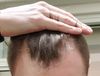
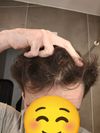
The conversation is about the proper frequency and needle length for microneedling to treat hair loss, with a user asking if they should use a 0.5 mm derma stamp daily and a 1.5 mm stamp once a week.
User asks if stacking Alfatradiol and Fluridil is effective for hair loss. Alfatradiol is a weaker, topical 5ar inhibitor, while Fluridil is an anti-androgen preventing DHT binding to hair follicles.
The conversation is about using DIY deoxyribose topical and botox injections for hair loss. The user is experimenting with these treatments and believes the science is strong.
A person suspects their friend had a hair transplant instead of stem-cell injections due to a noticeably straight hairline. The discussion includes opinions on hair transplants, societal perceptions, and suggestions like using finasteride to maintain hair.
The conversation discusses using shou wu chih or fo-ti/he shou wu for hair loss, with OP noticing stiffer beard and body hair. A user warns about potential liver damage from fo-ti and questions the effectiveness of alternative medicine.
Hair loss is primarily caused by genetic sensitivity to DHT, not lifestyle factors like diet or exercise. Treatments like Minoxidil and Finasteride can help, but it's important to consult a dermatologist to determine the best approach for individual cases.
User shares progress after 4 months of using finasteride and dermarolling, with occasional use of coconut and rosemary oil. They aim to stop hair loss and hope for increased top density.
Datwagg63 started taking finasteride for hair loss and supplements it with omega 3, vitamins, and a low-carb diet while lifting weights. InternationalBerry suggested adding minoxidil, as it's considered the second most effective treatment after finasteride.
A 20-year-old male is experiencing worsening diffuse thinning despite using topical minoxidil, topical finasteride with minoxidil, oral finasteride, stemoxydine, and pyrilutimide. He is seeking support and advice as he struggles with the mental and physical challenges of hair loss treatments.
He Shou Wu (Fo Ti) extract was found to prolong the hair growth phase, inhibit 5-alpha-reductase (like finasteride), reduce androgen receptors, and increase growth factors, potentially outperforming minoxidil in recovering hair follicle size after DHT exposure. Two compounds, emodin and TSG, are identified as responsible for these effects and warrant further investigation.
PP405 and GT20029 are new hair loss treatments with different mechanisms from traditional options like Minoxidil and Finasteride. PP405 targets hair follicle stem cells to reactivate growth, while GT20029 works as an androgen receptor deleter, both requiring ongoing use for effectiveness.
The conversation is about using micro needling and PTD-DBM for hair loss treatment. The user applies PTD-DBM drops on weekdays and performs micro needling weekly.
A user with diffuse thinning shares a tip for improving hair appearance by using a shea butter and coconut oil serum from Trader Joe's at night. They are on finasteride and considering adding minoxidil for better results.
Diffuse thinners often experience more hair regrowth with DHT blockers like finasteride, possibly due to less DHT sensitivity and the presence of miniaturized, not completely bald, follicles. However, regrowth varies widely among individuals, influenced by factors like genetics, the stage of hair loss, and treatment methods such as minoxidil, microneedling, and dermarolling.
The user experienced significant hair regrowth using 1mg finasteride every other day, 5% minoxidil twice daily, and ketoconazole shampoo. The progress was noted as impressive, with some users questioning the authenticity of the results.
Balding scalps have more androgen receptors, leading to increased TGF-beta, which causes blood vessel loss and hair follicle miniaturization. Blocking androgen signaling and TGF-beta may help prevent hair loss.
The conversation is about the effectiveness and production of GT20029, a drug being developed as a topical androgen receptor degrader for hair loss, and whether it can fully degrade androgen receptors or only partially. It also discusses the drug's potential unique working mechanism and synthesis by a company called Anagen.
The user "ninezske" shared their progress pictures of hair regrowth after using oral finasteride, topical minoxidil, and dermarolling. Other users commented on the results and discussed the effectiveness of minoxidil and finasteride.
The user is exploring alternatives to hair transplants due to a weak donor area and is currently using finasteride, minoxidil, dermapen, low-level laser therapy, Nizoral shampoo, and a high-protein diet. They plan to switch to dutasteride and consider adding RU58841, while rejecting hair systems and considering a buzz cut.
The conversation discusses using finasteride topically for hair loss and concerns about potential side effects like feminization and impact on muscle growth. One person shared their experience with finasteride, indicating it increased testosterone and did not prevent them from gaining muscle or strength.
The user discusses using Follics FR5, FR10, and FR15, which combine Minoxidil, Adenosine, Procapil, Azelaic acid, and Procyanidin B2, to address hair loss. They have previously used Minoxidil, Finasteride, and Dutasteride with varying success.
The conversation is about whether vellus hair should be included in hair fall counts, with data showing daily hair loss. The consensus is that shedding, including vellus hair, is normal and within physiological limits.
This post and conversation are about the molecular mechanisms triggered by microneedling, specifically its effects on inflammation, tissue remodeling, epithelial proliferation, differentiation, and collagen synthesis. The discussion highlights the potential benefits of microneedling for hair loss treatment.
Hair loss treatments like finasteride, minoxidil, and hair transplants have side effects and limitations. There is hope for future advancements in stem cell therapy and hair follicle regeneration, though skepticism about their effectiveness and timeline persists.
A user shared their positive experience with Roots by GA, a company that creates personalized hair loss treatments based on DNA analysis, which confirmed their inability to tolerate finasteride. The user is satisfied with their progress 30 days after a hair transplant and the customized formula they received.
Ultrasound imaging can non-invasively detect active and inactive hair follicles, inflammation, and fibrosis, potentially reducing unnecessary biopsies. It may help assess hair growth potential and diagnose scalp issues, but some users believe in trying treatments regardless of ultrasound results.
The user is experiencing one-sided diffuse thinning and has been using finasteride and liquid minoxidil for 4-5 years with minimal results. They are considering whether to save for a hair transplant or address scalp sensitivity and irritation first.
A user shared their experience with hair loss treatments, including oral and topical finasteride, minoxidil, and Nutrafol, experiencing side effects like erectile dysfunction and reduced libido. They are considering adjusting their treatment plan and exploring other options like dutasteride, oral minoxidil, or a hair system.
Aminexil/Kopexil may help reduce hair loss by addressing perifollicular fibrosis in androgenetic alopecia, but it lacks the extensive clinical backing of finasteride and minoxidil. Some users find it effective, but availability and cost are issues, especially in the US where it's not FDA-approved.
The user is experiencing white flakes and a greasy look from using a topical solution containing 0.025% finasteride, 8% minoxidil, 0.01% retinoic acid, and 1% hydrocortisone. Suggestions include reducing application frequency, using a brush to clean the scalp, and considering alcohol-free alternatives.