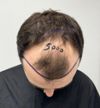
User tried various hair loss treatments with limited success. RU58841 was effective but caused side effects, now trying Eucapil and continuing Finasteride.
The conversation is about hair regrowth using topical finasteride, minoxidil, and microneedling, with some users noticing new hair growth. The original poster also takes protein, biotin, and vitamin D supplements and prefers topical treatments due to concerns about side effects from oral finasteride.
The conversation is about the effectiveness and trustworthiness of Pyrilutamide hair loss treatment sold by Hairlisciously, with concerns about product purity and a request for alternative suppliers. No specific treatments were confirmed to be used by participants.
The conversation discusses the effectiveness of Regenera Activia stem cells versus Cellgenic exosomes for hair loss treatment. The user has been using topical minoxidil 5% and 0.001% estradiol for a year without results.
A user shared their positive hair transplant results from Asli Tarcan Clinic in Turkey, costing $3,500 for 6,000 grafts and resulting in a full head of hair. They also take finasteride and dutasteride to maintain their hair.
The user underwent a biopsy two years ago and was diagnosed with keratosis pilaris, leading to hair issues. They tried treatments including Minoxidil, betamethasone, lymecycline, topical Accutane, and dutasteride, as well as diet changes, without improvement in hair thickness or skin dryness.
User fought hair loss with Derminator microneedling, topical and oral minoxidil, and a 2000 FUE hair transplant. Derminator was a game changer, preventing further loss.
The user shared their 5-year hair loss journey, initially using a product called Triphasic Progressive by Rene Furterer, which gave good results. Later, they switched to FDA-approved medications finasteride and minoxidil, which also helped, but they noticed the most significant progress with Triphasic. They're considering trying it again if minoxidil doesn't show improvements.
This post and conversation are about the molecular mechanisms triggered by microneedling, specifically its effects on inflammation, tissue remodeling, epithelial proliferation, differentiation, and collagen synthesis. The discussion highlights the potential benefits of microneedling for hair loss treatment.
A 26-year-old male has been using finasteride for 4.5 years to maintain hair and recently started taking dutasteride weekly due to increased hair shedding. He plans to gradually switch to dutasteride while monitoring side effects and hair changes.
Hair loss treatments are advancing, with Coegin Pharma's FOL005 expected this year and Breezula potentially later. Pyrilutamide is available but not very effective, while Kintor's products face skepticism; traditional treatments like finasteride and minoxidil remain dominant.
The user has been using finasteride for two years without results and recently started a new routine involving derma stamping, retinol, and minoxidil, which seems to show progress. The user microneedles about half the week and uses L’Oréal night serum for retinol.
A 26-year-old has seen hair regrowth in 4.5 months using oral finasteride, topical minoxidil, and recently RU58841 on the temples. Suggestions include adding weekly microneedling to improve results.
Treatments for hair loss, specifically discussing the use of RU58841 and Pyrilutamide from Actifolic. The poster is inquiring about experiences with these products and results.
A user shared impressive hair growth results after 77 days using oral finasteride, topical minoxidil, and weekly microneedling. They reported thicker, darker hair and minimal shedding, with treatment costs around 30 euros per month.
A user, 35M, has been using oral finasteride for 5 years and 5% minoxidil for 3 years, which stopped hair loss but didn't promote regrowth. After starting RU58841 5 months ago, they noticed long, translucent hairs and are asking if these hairs will darken and how to encourage this.
A user reported that after experiencing hair thinning, they started using finasteride in 2024 and later began GHK-Cu peptide injections in March 2026, which they believe stopped their hair loss and made their hair feel thicker. The user shared their experience despite receiving criticism for not solely endorsing finasteride.
Hair cloning may become available in 1-2 years in Japan, but widespread availability and affordability could take 7-15 years. Current treatments like finasteride are effective but may lose effectiveness over time.
A 19-year-old male with no family history of androgenetic alopecia (AGA) is experiencing hair loss and considering using a topical minoxidil and finasteride mixture. Despite low vitamin D levels and normal DHT serum levels, he seeks confirmation of AGA before starting treatment.
The user switched from oral to topical finasteride with minoxidil after a hair transplant and is experiencing increased hair growth in unexpected areas like eyebrows and sideburns. They are seeking feedback from others with similar experiences.
User reported initial hair regrowth with 0.25 mg finasteride taken four times a week, experiencing a second shedding phase, and no side effects. They also mentioned using RU58841 without success and plan to stop after a year.
The user is using minoxidil, finasteride, dermarolling, and other treatments for hair regrowth, showing promising results in the temple area. Despite some skepticism, there is optimism about potential improvement.
A product called "PP405 Hair Follicle Serum" is being sold on Shopee, claiming to cure baldness without clinical trials or FDA approval, but users are skeptical and refer to it as "snake oil." Some users discuss testing the product's contents, while others share their experiences with hair loss treatments like finasteride.
User tried oral finasteride, topical finasteride, topical dutasteride, and RU58841 but experienced side effects. They discuss upcoming treatments like clascoterone, pyrilutamide, gt20029, and KY19382 as potential options.
The conversation is about enhancing dermarolling for hair loss by using topical peptides like tb-500 or GHK-Cu to aid in healing and hair growth, and whether anyone has experienced significant results from this method.
A user's experience with using Fin for hair loss, which includes shedding and regrowth, potential side effects, and the use of supplements, protein, and exercise as additional treatments.
.
This user experienced positive results from using a combination of minoxidil and finasteride, with no reported side effects after two months. Others have also shared their experiences with both short-term and long-term use of finasteride.
The discussion is about using ASCEplus HRLB exosomes for hair loss treatment, which combines 10 billion exosomes with growth factors, nutrients, biotin, and copper tripeptide. The treatment is expensive and typically administered via scalp injections, but in Europe, it's done with microneedling.
A 20-year-old male experienced significant hair shedding for nearly 10 months, despite using finasteride, oral minoxidil, and ketoconazole, and is concerned about chronic telogen effluvium. He has been supplementing with vitamins and minerals but remains unsure of the cause.
The user experienced significant hair regrowth using a combination of minoxidil, finasteride, various serums, and micro-needling, leading to increased confidence and consideration of a hair transplant. Despite initial baldness due to past health issues, the user is pleased with the progress and continues to use treatments like Pilgrim, Md Hair, Bodywise Roller, and Bouf serums.