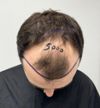
The conversation discusses using hair follicle dermal papilla exosomes for hair loss treatment. It inquires about purchasing options for this treatment.
User shared 9-month progress with finasteride and microneedling, and 2-year progress with minoxidil for hair loss. Others asked about microneedling tools, routine, and suggested micro fibers for improvement.
The user has been using finasteride and minoxidil with tretinoin for 5 months and is questioning if they see hair regrowth. Others share their experiences and challenges with hair loss treatments, particularly the availability of medications.
ET-02, a new hair loss treatment, shows promising results with a 6-fold increase in hair count, potentially outperforming minoxidil by activating stem cells in hair follicles. Further trials are ongoing to confirm its efficacy and safety, with potential market release in the future.
A 32-year-old male is considering options to soften a dense transplanted hairline after experiencing accelerated hair loss and intolerance to finasteride and dutasteride, while using minoxidil. He is exploring partial electrolysis or laser treatments to achieve a natural look with a short buzz cut, avoiding a second transplant or scalp micropigmentation.
The conversation is about treatments for androgenetic alopecia, focusing on hyperresponders. Treatments include Minoxidil, finasteride, RU58841, leg training, and cold therapy.
The user experienced hair loss after a hair transplant and stopped using finasteride and minoxidil temporarily, as advised by their medical team. They resumed the treatments and are hopeful for regrowth, attributing the current hair loss to shock loss and shedding.
The user experienced significant hair regrowth using finasteride 1mg daily, minoxidil 5% twice a day, and microneedling 3-4 times a week. They reported no side effects from finasteride and are pleased with the results, feeling more confident and maintaining a new hair baseline.
The conversation discusses "Hair bloom" hair filler, which contains biotin, collagen, and various peptides, as a potential alternative to PRP or mesotherapy for hair loss. Opinions vary, with some suggesting it may be a cash grab or ineffective, while others believe it could complement topical minoxidil for early hair loss.
A 30-year-old male is considering finasteride or a hair transplant for hairline recovery after 3 months of using Minoxidil foam without seeing regrowth. Another user advises against a hair transplant, suggesting it's too early.
The conversation discusses hair regrowth using finasteride, minoxidil, and a dermaroller. Users also talk about the benefits of using a stamp over a derma roller for scalp treatment.
KX-826 is being considered as a potential alternative to finasteride for hair loss, but it is not expected to be more effective. Combining KX-826 with finasteride and minoxidil may provide better results than using it alone.
The user has been using Minoxidil and Finasteride for four years, added microneedling, and is considering increasing microneedling frequency and possibly using Dutasteride. They are seeking advice on improving hair regrowth and better tracking progress.
OrganTech is working on regenerating hair and teeth, with positive results in mice, but skepticism remains about progress for humans. Users express frustration over the lack of advancements in human hair loss treatments, despite ongoing research and trials.
The user is seeking confirmation of progress in their hair regrowth journey while using oral finasteride and topical minoxidil. They also mention experiencing shedding and dandruff after switching from liquid minoxidil to foam. Some users suggest considering a hair transplant.
The conversation discusses hair loss treatments, focusing on insulin resistance, microneedling with topical melatonin, and stress reduction. Users express skepticism about the advice, preferring proven treatments like minoxidil and finasteride, while some mention alternative methods like dermal incisions and verteporfin for reducing fibrosis.
GT20029 showed promising results for hair growth in a Phase II trial, with the 1.0% twice-weekly regimen being the most effective. Some users expressed skepticism and humor about the product's effects and market availability.
The conversation discusses hair regrowth after nearly 7 months of using 1mg finasteride and dermarolling, with some users noticing thicker hair and improved density. Minoxidil was suggested but ruled out due to the user's cats, and a hair transplant was mentioned as a potential solution for completely bald areas.
Adding an LLLT laser cap to a routine of finasteride, minoxidil, and ketoconazole shampoo significantly reduced hair shedding from 200+ hairs a day to around 80, improving scalp health. The user attributes the laser cap as the key factor in stabilizing hair loss after two years of using other treatments.
The user experienced significant hair regrowth using topical minoxidil twice daily and 1mg oral finasteride once daily, along with scalp massages and a health supplement stack. Consistency with these treatments led to impressive results, boosting confidence and surprising family and friends.
The user underwent two FUT hair transplant surgeries with subpar results, leading to disappointment and continued use of Minoxidil, laser cap, dermaroll, and biotin. They advise thorough research before committing to hair transplants, especially for those with advanced hair loss.
Stem cell treatments for hair restoration can be effective, but results vary and depend on factors like the type of stem cells used and timing of treatment. PRP and exosomes have shown some success, while costs and effectiveness differ by location, with South Korea and Turkey offering more affordable options.
The user is 2 months post-hair transplant with 6,000 grafts using the DHI method and is using oral finasteride, minoxidil, and vitamins. They are seeking feedback on their progress.
A user shared impressive progress at 4 months post-hair transplant with 5120 grafts by Dr. Ahmet Yildirim in Istanbul. The user expressed satisfaction with the results, which exceeded expectations.
2% fucoidan alleviated AGA symptoms, promoted hair growth, and increased hair density in mice. Fucoidan is considered safe for humans as a supplement and topical skincare product, with potential therapeutic effects against AGA.
The user experienced significant hair regrowth using finasteride, minoxidil, and microneedling, with plans to continue treatment. They are pleased with the results, noting increased hair density and a restored hairline.
A 22-year-old with 4c hair is considering a hair transplant to address traction alopecia caused by braid extensions. They have tried derma stamping, oils, and minoxidil but stopped due to side effects.
The conversation discusses hair regrowth using finasteride, minoxidil, RU58841, tretinoin, castor oil, and microneedling over three months. There are signs of early hair regrowth, with expectations of fuller hair in a year.
A user discussing their hair transplant progress at 8 months, expressing concern about lack of growth in the front. They're currently using Minoxidil and dutasteride, and considering microneedling. The responses suggest waiting for full growth, which can take up to 13-14 months.
A user who underwent a hair transplant in Istanbul to reduce balding, and the discussion of various treatments such as finasteride and growth hormone for preventing further hair loss.