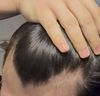
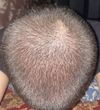
A user shared their hair regrowth journey from age 21 to 25 using finasteride and a carnivore diet. Other users debated the effectiveness of diet changes versus genetic factors in hair loss.
Hopeful treatments for hair loss, including Verteporfin, Androgen Receptor Degradation, and SCUBE3. These treatments offer potential solutions to slow or stop the effects of androgens on the scalp.
A user named "EgyptStar81" who has been dealing with hair loss since age 15 due to genetics, chemotherapy and finasteride/minoxidil treatment. Possible solutions such as dutasteride, oral minoxidil, hair transplants and extensions were suggested.
An 18-year-old is maintaining a stable hairline using Minoxidil, topical finasteride (Fynzur), and Dermastamp, and is considering adding oral finasteride for prevention. They seek advice on whether starting oral finasteride early is necessary given their family history and current regimen.
A user has been experiencing hair loss since 2013 and has tried various treatments including finasteride, minoxidil, fluridil, pantostin, stemoxydine, microneedling, and Nizoral. They reported improvement after adding antiandrogens and other treatments in July of the previous year but stopped finasteride due to erectile dysfunction.
Long-term finasteride users report maintaining or regrowing hair, often using additional treatments like minoxidil, low-level laser therapy, and ketoconazole shampoo. Most experience minimal side effects, though some report issues like erectile dysfunction.
A user reported significant facial aging after using minoxidil for hair loss, despite a good skincare routine and healthy lifestyle. They plan to switch to dutasteride and possibly stop minoxidil.
The conversation discusses potential advancements in two hair loss drugs, KX-826 and GT20029, and the interest in whether transitioning from oral finasteride to these drugs would maintain hair growth. One reply expresses skepticism about the compounds' representation.
An 18-year-old noticed hair thinning at 17, started finasteride 5 months ago, and saw shedding stop but no regrowth. They suspect male pattern baldness due to family history and are concerned about thinning on the back and sides, possibly due to inflammation.
The user is experiencing hair thinning and brittleness, possibly due to Telogen Effluvium, which affects body hair and may be linked to stress or nutrition. They are considering using finasteride for treatment but are unsure if it will address their symptoms.
The conversation humorously speculates on whether an elderly man's good hairline is due to finasteride, dutasteride, or genetics. It also discusses the role of DHT and genetics in hair loss.
A 19-year-old is experiencing hair thinning and recession above the temples, causing stress and consideration of starting finasteride despite financial constraints. They are unsure whether to begin treatment immediately or wait to assess the situation further.
A 22-year-old is struggling with worsening hair loss despite using finasteride, minoxidil, and microneedling. They are seeking advice on whether to continue microneedling, feeling hopeless as their treatments have not stabilized or improved their condition.
A user, 35M, has been using oral finasteride for 5 years and 5% minoxidil for 3 years, which stopped hair loss but didn't promote regrowth. After starting RU58841 5 months ago, they noticed long, translucent hairs and are asking if these hairs will darken and how to encourage this.
Long-term finasteride users often experience periodic hair shedding due to natural hair cycles, even after several years of use. Some consider switching to dutasteride, but concerns about side effects and the effectiveness of finasteride remain common.
The conversation discusses hair regrowth using dissolvable microneedles loaded with rapamycin and epigallocatechin gallate nanoparticles. Specific treatments mentioned include Minoxidil, finasteride, and RU58841.
The conversation is about a user trying a new hair loss treatment, Ruxolitinib, alongside their existing regimen of finasteride, minoxidil, ketoconazole shampoo, and microneedling. They plan to apply Ruxolitinib to their temples daily for 1-2 months.
The conversation discusses the potential of Replicel/Shiseido treatment for hair loss, questioning its effectiveness, whether it grows new follicles, and its market release timeline. It also compares Replicel to other competitors like Kyocera/RIKEN/Tsuji.
Finasteride can continue to improve hair loss for up to 10 years, with the best results seen when started early. Combining treatments like minoxidil, dermarolling, or RU58841 may enhance effectiveness.
Cyclosporine A is discussed as a powerful hair growth stimulant, potentially more effective than minoxidil, but concerns about safety and side effects, including cancer risk, limit its use. The conversation highlights the need for further research and experimentation with topical application, despite its risks.
The user has been using finasteride for 1.5 years, along with microneedling and jojoba with rosemary oil, and is considering a hair transplant due to limited regrowth. They are hesitant to use minoxidil daily and are exploring other options like a combined finasteride and minoxidil pill.
Hair cloning trials by Stempsen Therapeutics and Hairclone have no updates, and it may take at least 15 years for hair cloning to be available. The conversation also mentions treatments like Minoxidil, finasteride, and RU58841.
A user reported significant hair thickening and new baby hairs on the hairline after 11 months of using 1mg finasteride every other day and microneedling once a week. They experienced no shedding, and finasteride stopped all hair loss within 24 hours of the first pill.
The user has been taking Finasteride daily for 11 months and is experiencing increased hair thinning and shedding, with no signs of regrowth. They are concerned about the effectiveness of Finasteride and have also been using microneedling as a treatment.
GT20026 is discussed as a potential treatment for hair loss that targets androgen receptors without affecting hormone levels, but it may not promote significant regrowth. It is expected to be available by 2028, with other treatments like Breezula and Clascoterone also mentioned.
A user is exploring VEGF gene therapy to enhance hair transplant results, considering measuring hair shaft diameter and growth rate. Suggestions include using phototrichograms and possibly adding PRP, though its effectiveness is uncertain.
A 47-year-old used finasteride and minoxidil for a year without results and is concerned about whether it's too late to regrow hair. Another user suggests continuing the treatments and adding microneedling for potentially better results, emphasizing patience.
Intermittent fasting may suppress hair follicle regeneration, but opinions vary on its impact on hair loss. Some users report no negative effects or even hair improvement while using treatments like finasteride and minoxidil.