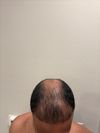
Scalp biopsies are crucial for diagnosing hair loss conditions like Diffuse Unpatterned Alopecia (DUPA) and retrograde hair loss, as treatments like finasteride and dutasteride may not be effective if other conditions are present. Combining PPAR-GAMMA agonists with retinoids could improve treatments for conditions like Lichen Planopilaris.
The conversation is about supplements for hair health. Nutrafol and Viviscal are mentioned, with Nutrafol preferred due to saw palmetto; individual supplements like zinc, vitamin D, iron, B complex, magnesium, and inositol are also discussed.
Hair loss treatments like finasteride, minoxidil, and hair transplants have side effects and limitations. There is hope for future advancements in stem cell therapy and hair follicle regeneration, though skepticism about their effectiveness and timeline persists.
A peptide from Japanese water chestnut fruit may help with hair loss by suppressing DHT's effect on hair follicle cell death, potentially serving as a finasteride alternative. The treatment's effectiveness and safety in humans remain uncertain.
PP405 is a potential hair loss treatment that may work by blocking signals that cause hair cells to stop growing, requiring daily application for effectiveness. It could serve as an alternative to minoxidil and finasteride, but it is not yet available on the market and may take several years to be released.
The user has accepted their hair loss and uses finasteride and minoxidil, with past use of RU58841 and dutasteride. They seek advice on supplements to slow down graying hair.
Carnosic acid in rosemary extract may enhance skin repair and promote hair follicle regeneration. It could be used alone or with verteporfin for scarless healing after dermal wounding.
The conversation discusses alternative hair growth treatments to minoxidil, including Stemoxydine, Tretinoin, adenosine, Baicalin, castor oil, Latanoprost/bimatoprost, and Redensyl. Users share their experiences and opinions on the efficacy of these treatments.
PP405, developed by Pelage Pharmaceuticals, can reactivate dormant hair follicle stem cells and increase hair growth by 20% in eight weeks, unlike minoxidil or finasteride. However, skepticism remains about its effectiveness and availability, with concerns about funding and the timeline for broader access.
Microneedling and tretinoin may enhance minoxidil absorption for hair loss, but evidence on their effectiveness is limited. Iron supplements and broccoli sprouts are suggested for enzyme activation, but their impact on hair is unclear.
Alfatradiol helps reduce hair shedding and itching, and is effective for mild hair loss. Users combine it with treatments like fluridil, minoxidil, and sometimes consider finasteride.
A 28-year-old man shared his experience with a 2990 graft FUE hair transplant at HDC Clinic in Cyprus, praising the professionalism and care received. He has been using topical Minoxidil, Biotin, Dermarolling, and recently started Finasteride and oral Minoxidil.
The conversation discusses the potential of verteporfin in treating hair loss, with some users reporting positive results and speculating that it could lead to a cure for baldness. Others are skeptical, and there's a debate on the effectiveness of verteporfin for regrowing hair and reducing transplant scars.
Treating hair loss with various remedies, such as Cetirizine and the Big3 complex (minoxidil, finasteride, and RU58841), which have properties like adipogenic, anti-fibrotic and anti-inflammatory. References to research studies are also included.
PP405 shows potential for hair growth by increasing terminal hair and converting vellus hairs, but results are modest and more waiting is needed. It complements existing treatments like minoxidil and finasteride, but won't replace them.
SCUBE3 and Amplifica's progress in hair loss treatment is being discussed, with inquiries about their current status and clinical trials. No specific updates or new information are provided in the conversation.
The conversation discusses a patent filed by Shiseido for cloning Dermal Papilla (DP) cells to treat hair loss. The method involves using viral vectors to maintain the cells' growth-inducing properties, differing from Replicel's approach with Dermal Sheath Cup (DSC) cells.
Hair loss discussion includes treatments like Minoxidil, Finasteride, and RU58841. A secret to applying Toppik Hair Building Fibers is shared, and a possible reason is to help people apply Toppik.
The conversation discusses potential hair loss treatments, including hair cloning, setipiprant, and topical finasteride, questioning their availability and effectiveness as permanent cures. The user is inquiring about the release dates and efficacy of these treatments.
RU58841 is used without finasteride by some due to side effects, with mixed results. Users report combining RU58841 with minoxidil and adjusting finasteride doses to manage hair loss.
The conversation discusses various hair loss treatments, including pyrilutamide, RU58841, topical dutasteride, oral minoxidil, and oral finasteride/dutasteride. It also mentions potential treatments like PP405, Verteporfin, GT20029, and AMP303.
Hopeful treatments for hair loss, including Verteporfin, Androgen Receptor Degradation, and SCUBE3. These treatments offer potential solutions to slow or stop the effects of androgens on the scalp.
Microneedling is considered an important addition to hair loss treatments like Finasteride, Minoxidil, and Nizoral, with evidence suggesting it enhances Minoxidil's effectiveness and can improve hair growth on its own. Users discuss various microneedling techniques, including heavy weekly sessions and lighter daily sessions, while expressing concerns about potential scalp damage and discomfort.
A user shared progress pictures after their fifth hair transplant, which included 3,000 grafts from both scalp and body hair. They use topical finasteride and minoxidil, and the procedure cost $22,000 at Maxim in Austin, Texas.
The user is unhappy with the results of a FUT hair transplant from 2021, noting uneven hair texture and persistent thinning. They are considering a FUE procedure and have been using finasteride for a year, previously used minoxidil, and currently use Toppik for concealment.
The user has been experiencing diffuse hair thinning despite using finasteride, minoxidil, dermarolling, clobetasol cream, and PRP sessions. They seek advice on additional treatments and are advised to check vitamin D, iron, and thyroid levels.