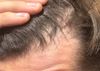
Hair transplant results after 1 year discussed, with mostly positive feedback on density and appearance. User considers another surgery for hairline, but overall improvement noted.
The conversation discusses concerns about using hair fibers while microneedling, specifically the potential for clogging pores. It is suggested that microneedling should not cause bleeding.
A 28-year-old man had a hair transplant in India, choosing not to start finasteride due to past side effects with other medications but will use minoxidil for six months post-surgery. He researched and selected a clinic in Mumbai with a high reputation, underwent a 9-hour procedure for $965, and is optimistic about the results.
A user experienced significant swelling after a hair and beard transplant, possibly due to an allergic reaction or improper post-surgery care. Despite dissatisfaction with the clinic's handling of grafts and customer service, the user appreciates the clinic's skill in achieving natural hairline density.
Pelage is developing a topical hair follicle stem cell therapy, PP405, for non-scarring alopecias like androgenetic alopecia, with Phase III trials planned and a potential market launch by 2027. The treatment may not require continuous use after initial regrowth.
A nearly 50-year-old male achieved significant hair regrowth and thickening over three years using daily finasteride, twice-daily topical minoxidil, and bi-weekly microneedling with a dermastamp. He experienced no side effects and found microneedling particularly effective for the crown area.
The user experienced hair loss possibly due to scalp damage and tried natural treatments with limited success. They reported noticeable hair thickening after using a laser treatment device, suggesting it may be effective, especially for those on finasteride.
A user shared their successful hair loss treatment using RU58841, topical minoxidil, and microneedling, noting significant improvement over three months. They chose RU58841 over finasteride due to personal preference and reported no side effects, while others discussed their experiences with different treatments and supplements.
A user shared an 18-month update on their crown hair transplant, performed by Jason Sorgi at Boston Hair Restoration, expressing satisfaction with the results. They continue to use oral minoxidil and finasteride to maintain hair health.
Microneedling daily at 0.3mm combined with topical finasteride and minoxidil is effective for hair thickening, with added benefits from near-infrared therapy. The approach may not improve the front hairline, and deeper microneedling is done monthly for better results.
The conversation discusses the lack of significant advancements in hair loss treatments since the introduction of finasteride 22 years ago, with many expressing frustration over the failure of new projects and skepticism about future developments. Some users mention hair transplants and other potential alternatives like Alfatradiol and Fluridil, but acknowledge finasteride's dominance in the market due to its effectiveness and affordability.
The user is very satisfied with their hair transplant results after six months, using finasteride, minoxidil, and ketoconazole shampoo. They praise Dr. Anuj and consider future touch-ups for a small untouched crown area.
User "al_ick" shares progress with topical fin, min, tret, and micro needling for hair loss, showing good results. They use hims fin and min combination spray, applying 5-7 sprays for better coverage.
A user shared their experience with telogen effluvium triggered by a keratin treatment, leading to significant hair loss. They found improvement using aloe vera with rosemary, a protein and iron-rich diet, and patience.
Hair loss discussion includes using hair fibers to improve appearance and boost confidence. Some users find it effective, while others mention drawbacks like moisture affecting the look.
The user successfully regrew hair using 1.2mg finasteride and 3mg minoxidil daily, without a hair transplant. They experienced significant improvement over 14 months, leading to positive changes in their appearance and confidence.
New hair loss treatments like stem cells, hair cloning, and gt20029 are unlikely to be available in the next 5-10 years, with some trials possibly starting by 2026. Current treatments like Minoxidil and Finasteride have been used for decades, and new developments depend on funding and successful trials.
The user uses Toppik hair fibers to thicken their hairline and has switched from finasteride to dutasteride and oral minoxidil, noticing more hair thickening. Most responses indicate the hair fibers are not noticeable, and many suggest the user doesn't need them as their hair looks natural and good for their age.
Finasteride may help stabilize hair loss, but regrowth at the temples is challenging and often requires additional treatments like minoxidil or a hair transplant. Users suggest patience and possibly combining treatments for better results.
A trans woman is using finasteride, minoxidil, microneedling, and HRT to address hair loss, with noticeable improvement in hairline shape and presence of vellus hairs. She is considering hair transplants if these treatments don't yield desired results within a year or two.
Hair fibers can effectively cover thinning hair when used with minoxidil and hairspray but require daily application and can be inconvenient in certain conditions. Some users prefer treatments like finasteride, dutasteride, microneedling, or wigs due to the maintenance and limitations of hair fibers.
The user stopped oral treatments due to side effects and switched to a regimen of topical minoxidil, tretinoin, azelaic acid, and dermaneedling, with recent addition of topical finasteride. They are questioning the long-term effectiveness of non-hormonal methods and considering hair transplantation.
The conversation discusses a user's positive experience with hair regrowth using topical finasteride, minoxidil, and microneedling after 2.5 months, noting initial shedding but improved hair density, especially at the temples, possibly eliminating the need for a hair transplant. The user is satisfied with the current treatment and is hesitant to try the experimental drug RU58841, hoping the current routine will suffice for further improvements.
The user is discussing their hair loss treatment stack, which includes CB-03-01, Fluridil, Alfatradiol, Cosmerna, microneedling, and Stemoxydine. They have seen some new hair growth but wish they could use finasteride.
Getting a hair transplant without using finasteride or dutasteride for at least two years can waste donor hair, as these medications can lead to significant hair regrowth in areas like the crown and mid-scalp. Delaying a transplant allows for better results by maximizing natural regrowth and preserving donor hair for more needed areas.
The user shared their journey with hair loss, using minoxidil initially, then adding microneedling and finasteride, and finally undergoing a hair transplant. They expressed regret for not using finasteride earlier due to fear of side effects and found the combination of treatments effective in the end.
A 49-year-old man has been using 1 mg of finasteride daily and microneedling weekly for four months to address hair loss, with no side effects and noticeable progress. He shares his experience and encourages others to consider treatment options without fear.
PRP treatment for hair loss shows some evidence of effectiveness, with HT surgeons using it post-op to promote growth. Microneedling is mentioned as a cheaper alternative.