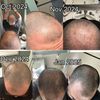
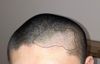
A user's progress in treating their hair loss with Finasteride, Minoxidil and Dermarolling; they discussed details of their routine and others congratulated them on their success.
The conversation discusses potential hair loss treatments, including Setipiprant, Bimatoprost, and Follicept. The user encourages signing up for Follicept, which may come to market soon.
The user shared their five-month progress using topical minoxidil, oral finasteride, and dermarolling for hair regrowth, noting improvements despite some areas remaining thin. Other users suggested switching from dermarolling to dermastamping for safety and effectiveness.
The user is experiencing one-sided diffuse thinning and has been using finasteride and liquid minoxidil for 4-5 years with minimal results. They are considering whether to save for a hair transplant or address scalp sensitivity and irritation first.
The user is trying alternative hair loss treatments like caffeine shampoo and dermarolling before considering minoxidil or other advanced treatments, and has noticed an increase in vellus hairs and some strong terminal hairs after two months of daily caffeine shampoo use. They plan to continue the treatment and document progress.
The post discusses the experiences of individuals with diffuse hair thinning using finasteride, with many reporting no improvement or worsening conditions after 6 months. Various suggestions include persisting with the treatment, checking for underlying conditions, adding minoxidil for volume, adjusting dosage, and considering other potential causes like autoimmune responses and inflammation.
The user started using oral minoxidil and estradiol in August 2025, added finasteride in December, and experienced significant hair shedding in February/March. They switched to estradiol injections and are considering their hair washing routine, while another user suggested consulting a dermatologist and possibly trying dutasteride.
A user plans to experiment with creating new hair follicles using methods like derma rolling, applying lithium chloride, tannic acid, and various other substances including caffeine, ketoconazole, and raspberry ketones. They also consider using anti-inflammatories, immunosuppressants, and DHT inhibitors to potentially improve results.
The user experienced rapid diffuse hair thinning for five years despite no signs of AGA or miniaturization. They tried finasteride and oral minoxidil without success and have checked thyroid, iron, and vitamin D levels.
The user experienced hair thinning from chromium and alpha lipoic acid supplements, which stopped after discontinuing them. Someone mentioned this could be telogen effluvium, a temporary condition.
The conversation is about hair loss treatment progress using oral finasteride, topical minoxidil, and microneedling. Users discuss experiencing shedding phases and the importance of trusting the process for hair regrowth.
The user shared their hair loss journey, using 0.5mg finasteride, topical minoxidil, and dermarolling initially, then increasing to 1mg finasteride and adding 2.5mg oral minoxidil. They experienced significant regrowth but are currently facing a prolonged shedding phase, hoping for stabilization and regrowth.
The conversation is about a person's positive experience with hair loss treatment over seven years using finasteride, minoxidil, and a 1600 graft FUT hair transplant. They also mention the importance of taking vitamins and listening to advice from Kevin Mann.
The user reports significant hair regrowth using finasteride, topical minoxidil, and dermarolling twice a week, despite poor photo quality. Another user shares their experience with oral minoxidil and finasteride, noting ongoing shedding and considering additional treatments.
The conversation is a humorous take on someone's reaction after their first dose of finasteride for hair loss. Specific treatments mentioned include scalp massage and a protocol of manifestation twice daily.
The user is experiencing fluctuating hair regrowth using oral finasteride, topical minoxidil, and microneedling, with the best results in the first four months. Suggestions include being patient through shedding cycles, considering oral minoxidil, and possibly adding dutasteride for stronger results.
The user is experiencing increased hair shedding and is concerned about regression despite consistent use of finasteride, minoxidil, and other treatments. The consensus is that this is likely a temporary shedding phase, and adjustments to the dermarolling frequency are suggested.
A user shared their experience with hair loss treatments, including finasteride, topical finasteride, derma rolling, melaleuca oil, caffeine powder, topical vitamin D, keto shampoo, and revive shampoo. They also changed their diet to address psoriasis and leaky gut.
The user shared their three-year progress using finasteride and minoxidil for hair regrowth before undergoing a hair transplant procedure. They plan to continue the medication post-procedure due to its success and did not experience significant side effects.
The conversation discusses treating male pattern baldness in a transgender woman using cyproterone acetate, finasteride, and biotin. The original poster shared their experience for others who might be in a similar situation.
The post is about a user starting a hair loss treatment using finasteride, micro needling, and nizoral. The conversation includes supportive replies from other users.
The user convinced their trichologist to prescribe topical finasteride after using topical estradiol and progesterone for hair maintenance. They also discussed the potential impact of "nofap" on hair loss, noting that abstaining for about four months seemed to reduce shedding.
Longitudinal partial follicular unit transplantation involves extracting part of the donor follicular unit, allowing the donor area to be overharvested without noticeable hair loss. The conversation questions if this method is practiced in clinics or if it's theoretical, and whether it relates to hair cloning or multiplication.
The user reports slow progress in hair regrowth using finasteride, minoxidil, dermarolling, and a weekly oil massage. They note improvement in the crown area but minimal change in the hairline.
The user recovered from Post-Finasteride Syndrome (PFS) using a specific hormone protocol after trying finasteride and dutasteride. They now help others with PFS by reviewing blood work and offering personalized advice.
The conversation discusses the potential of Sanguisorba Officinalis Root Extract as a treatment for hair loss by inhibiting FGF-5. The user also mentions the product évolis, which is based on this extract but is only available in the US and Australia.
The conversation is about hair shedding experienced while using finasteride (fin) for hair loss treatment. Users discuss their experiences with finasteride, minoxidil (min), and other treatments, noting that shedding is often a sign that the treatment is working.
A user experienced continuous hair shedding for 13 months after starting finasteride, suspecting it might cause chronic telogen effluvium, and considered switching to dutasteride or stopping medication. Other users suggested that finasteride doesn't cause hair loss, recommending dutasteride for more aggressive hair loss, while some advised against stopping medication.
The user is experiencing white flakes and a greasy look from using a topical solution containing 0.025% finasteride, 8% minoxidil, 0.01% retinoic acid, and 1% hydrocortisone. Suggestions include reducing application frequency, using a brush to clean the scalp, and considering alcohol-free alternatives.