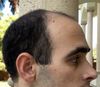
Celebrities often use hairpieces, transplants, or medications like Minoxidil to maintain their hairlines. Hair transplants require ongoing medication, and opinions on their success vary.
John Cazale's hairline showed strong recession at the temples but maintained solid volume and density, sparking discussion on different hair loss patterns and the importance of overall hair density. Treatments like Minoxidil and Spironolactone were mentioned as potential factors in maintaining hair, though genetics and styling were also considered significant.
The user reported significant hair growth progress after 6 months using 5mg oral minoxidil, 0.1mg dutasteride, 1.1mg finasteride, and 1mg biotin. They experienced some hair shedding but no noticeable side effects, and they regret not starting the treatment earlier.
Bald men in Mozambique are being targeted due to superstitions that their heads contain gold, leading to dangerous rituals. The conversation humorously discusses this belief and its implications.
The user experienced significant hair regrowth after using 1.25mg finasteride for 7 months, with no side effects, and is considering whether to keep or remove a previous SMP (scalp micropigmentation). They avoided minoxidil due to dandruff and sensitive scalp concerns, and they use a specific dandruff shampoo once a week.
A 28-year-old is using 1mg oral finasteride, 2.5mg oral minoxidil daily, and keto shampoo weekly for hair loss. They report thicker, healthier hair, especially at the crown, with most progress in the last month after initial shedding.
Topical finasteride may have higher systemic absorption and lower efficacy when using a Propylene Glycol/Ethanol formulation compared to the hydroxypropyl chitosan (HPCH) formulation. The safety profile of topical finasteride relies heavily on the HPCH formulation, and using standard solutions might lead to different pharmacokinetics.
The conversation is about obtaining custom-compounded topical finasteride in Germany due to side effects from oral finasteride. The user seeks a lower concentration solution separate from minoxidil, and others suggest self-mixing or trying alternatives like dutasteride.
A new alcohol-free, propylene glycol-free topical finasteride foam is available for prescription in Canada and the USA, offering a cleaner alternative for hair loss treatment. The product also offers a combination of 0.1% finasteride with 5% minoxidil and aims to be affordable and less irritating for sensitive scalps.
Transplanting mice skin to humans is not feasible due to immune rejection, but some suggest genetic modification or immune suppression could make it possible. Xenograft hair transplants are discouraged.
Hair loss is less common now due to accessible treatments like finasteride, minoxidil, and hair transplants. Improved hair care, skincare, and lifestyle changes contribute to people looking younger today.
A user is interested in Absci's AI-driven antibody platform, ABS-201, for treating androgenetic alopecia, which shows promising preclinical results and potential for hair regrowth and pigmentation restoration. However, concerns are raised about the drug's development timeline and its advantages compared to existing treatments.
Minoxidil and dutasteride are discussed as treatments for hair loss, with some users sharing positive experiences and others noting side effects. The effectiveness of these treatments varies, and some users consider additional options like finasteride and topical sprays.
The user shared progress pictures after using topical minoxidil for 8 months and topical finasteride for 5 months, along with other treatments like tretinoin cream, microneedling, and specialized shampoos. They are seeking feedback on their hair regrowth progress and are concerned about reaching a plateau.
The conversation discusses the steps for microneedling, specifically differentiating between medical needling (0.5-1.5mm) and cosmetic needling (0.3mm). It emphasizes the importance of cleaning and disinfecting before microneedling, regardless of needle length.
The applicator for a homemade hair loss solution containing Minoxidil, RU58841, Azelaic acid, and caffeine is difficult to use, with users experiencing issues with dispensing the liquid. Some suggest pressing harder or using a different method, like a dropper, for better application.
PP405 shows promise in treating severe hair loss, with 31% of users experiencing over 20% hair density increase in four weeks, faster than minoxidil and finasteride. Some users are skeptical about the results' significance and long-term efficacy.
A user shared their one-year hair loss treatment progress using oral finasteride, topical finasteride/minoxidil, and microneedling, reporting no current side effects and significant hair improvement. They also use Head & Shoulders for dandruff control and recommend consistency in treatment.
A 25-year-old is using finasteride for hair loss and plans to start minoxidil and ketoconazole shampoo soon. They hope to see hair regrowth and will continue to shave their head while monitoring progress.
Microneedling alone can stimulate hair growth and enhance the effectiveness of minoxidil. Combining microneedling with minoxidil is more effective than using minoxidil alone.
Switching finasteride brands from Teva to Proscar led to hair and skin issues, suggesting possible differences in effectiveness or quality. Users recommend returning to the original brand that worked well.
A user shared their significant hair regrowth progress using topical minoxidil, oral finasteride, and minoxidil chews, while transitioning to generic versions. They also mentioned using batana oil and microneedling, with no side effects reported.
The user switched from finasteride to dutasteride and noticed less hair shedding, questioning if it's due to dutasteride's effects. Others shared mixed experiences with shedding and side effects after switching, with some seeing improvements and others experiencing continued shedding.
The user has been using 1.25 mg of finasteride daily since June 2024 to promote hair regrowth and thickness, considering switching to dutasteride if results are unsatisfactory. They are hesitant to add minoxidil due to cost and potential side effects but have seen some progress with finasteride alone.
Dutasteride has effectively stopped hair loss for some users, while others continue to experience shedding despite using dutasteride, finasteride, and minoxidil. Some users report side effects like erectile dysfunction when switching from finasteride to dutasteride.
OP is experiencing ongoing hair shedding despite two years on finasteride, with some initial improvement but no long-term success. Users suggest seasonal shedding, checking for vitamin deficiencies, considering minoxidil, and possibly switching to dutasteride.
Post Finasteride Syndrome (PFS) is debated, with some users reporting severe side effects from finasteride, while others believe these effects are rare or psychosomatic. Treatments discussed include finasteride, minoxidil, and RU58841.
User shared 16-month progress using finasteride 1 mg/day and minoxidil 5% solution once/day, noting significant regrowth, especially in temporal peaks. Users discussed shedding, side effects, and positive feedback from others.