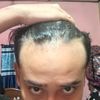
Stopping finasteride and dutasteride due to military service in Egypt. Temporary hair shedding may occur, but hair should recover after resuming treatment.
A 19-year-old is experiencing hereditary hair thinning and is considering switching from topical to oral minoxidil due to convenience and starting finasteride at a low dose to minimize side effects. A suggestion was made to start with 0.25 mg of finasteride daily and gradually increase to 0.5 mg, while oral minoxidil requires a prescription.
The user experienced anxiety, dizziness, and fatigue after starting finasteride and is seeking advice on whether to continue, adjust the dose, or consult a doctor. They stopped taking finasteride and are unsure if it caused their symptoms.
The conversation discusses two methods for making topical finasteride: using ethanol and propylene glycol or mixing it with topical minoxidil. The focus is on solubility and absorption, with a suggestion to crush pills finely and possibly mix with minoxidil at a slightly elevated temperature.
Finasteride is prescribed at 1mg because it is FDA-approved and proven effective, despite evidence that 0.2mg may similarly reduce DHT. The 1mg dose is more effective for hair growth, and lower doses are less available.
A 24-year-old male is using topical finasteride 0.1% with minoxidil 5% and oral finasteride 1 mg to treat hair loss but is experiencing scalp flaking from the topical solution. He is considering switching to a minoxidil foam without propylene glycol and continuing oral finasteride due to its effectiveness.
A user is using topical finasteride, minoxidil, and oral finasteride for hair loss but hasn't seen progress yet. They are considering switching to oral finasteride only due to scalp issues from the topical solution, but are advised to continue the current regimen for at least six months to a year.
The user is considering taking ashwagandha while on finasteride to manage side effects, noting it reduces stress but may cause hair thinning. They are unsure if the thinning is due to ashwagandha or normal shedding from finasteride.
The user is experiencing hair loss at Norwood 2.5 and is using minoxidil, finasteride, and vitamins, noticing minimal regrowth after 8 months. They are considering using a dermaroller but are unsure of its effectiveness.
The user experienced hairline recession despite using topical finasteride/minoxidil and is considering whether misapplication was the cause. They are exploring options after experiencing side effects from oral finasteride, including possibly returning to the topical formulation with adjusted application methods.
A 24-year-old male experienced hair loss and side effects from oral finasteride and minoxidil, but saw progress with a topical solution of minoxidil and finasteride, alongside dermastamping and vitamin supplements. He uses 2% Nizoral and keratin shampoo for hair care.
Finasteride is being used by a 17-year-old concerned about its impact on height while still growing. The user has been balding since age 13 and was recently diagnosed with androgenetic alopecia.
Finasteride improved hair density and changed hair texture from wavy to curly for the user. The user took 1mg of oral finasteride daily without using minoxidil.
The user experienced positive hair regrowth using finasteride for two years, with no side effects, and recently added minoxidil foam to address temple volume. Other users shared similar experiences with finasteride, noting varying results and some concerns about side effects, but overall satisfaction with hair maintenance.
The user experienced significant hair loss due to health issues and started using finasteride 40 days ago. They cannot use minoxidil due to an allergy and are seeking advice on whether finasteride will help.
Topical finasteride can effectively reduce scalp DHT by targeting local enzymes, despite less systemic impact compared to oral forms. Combining oral dutasteride with topical finasteride and minoxidil may enhance hair loss prevention, though evidence of its effectiveness is limited.
The conversation discusses combining oral dutasteride with topical finasteride to further reduce scalp DHT levels for hair regrowth. Users debate the effectiveness and safety of this combination, with some suggesting alternatives like topical antiandrogens such as RU58841, fluridil, and alfatradiol.
Finasteride increased testosterone and estrogen, stopped hair loss, and promoted regrowth. Users discussed side effects like libido changes and considered adding minoxidil and aromatase inhibitors.
An 18-year-old using finasteride since February and minoxidil since July has not seen improvement in hair density. They are advised to continue treatment as results can take up to a year, and to consider other options if no change occurs after a full year.
Topical Finasteride is most effective at 0.1-0.25%, and Minoxidil at 5%. Tretinoin is optional, and additional ingredients like biotin, caffeine, and saw palmetto are recommended.
A user shared progress pictures after two months of using a topical solution with finasteride (0.1%) and minoxidil (0.5%) for hair loss, reporting no side effects and minimal shedding. They are considering continuing the treatment due to its effectiveness.
A dermatologist advised stopping finasteride after 3-6 months, but many users disagreed, stating it should be used indefinitely to maintain hair. Users recommended finding a new dermatologist due to the perceived misinformation.
A user is experiencing diffuse thinning and is using oral minoxidil, dutasteride, and plans to add finasteride temporarily. They express frustration with local dermatologists' lack of knowledge on hair loss treatments.
The user plans to start 1 mg finasteride immediately and oral minoxidil two months later after a hair transplant, considering potential side effects and exposure risks. They seek advice on timing due to concerns about shedding before their wedding.
The conversation discusses the potential long-term effects of stopping finasteride after extended use, with differing opinions on the existence and prevalence of post-finasteride syndrome (PFS). Some users report persistent side effects, while others argue that such effects are rare or unrelated to the medication.
Finasteride users cannot donate blood due to potential risks to pregnant women, requiring a one-month cessation before donating. Dutasteride requires a six-month deferral, and topical applications are not restricted.
Topical finasteride is currently more effective than pyrilutamide for hair loss. Combining treatments like topical finasteride and pyrilutamide may enhance results due to different mechanisms.
PP405 and ABS-201 are promising treatments for male pattern baldness. PP405 shows rapid hair growth in human trials, while ABS-201 shows significant regrowth in animal studies but is still in early human trials.
The user has been using topical minoxidil, topical and oral finasteride, and oral minoxidil for hair loss but hasn't seen improvement after 7 months. Suggestions include continuing treatment, considering dutasteride, and consulting a dermatologist, as shedding from oral minoxidil is temporary.
The user has been using finasteride for 1.5 years, along with microneedling and jojoba with rosemary oil, and is considering a hair transplant due to limited regrowth. They are hesitant to use minoxidil daily and are exploring other options like a combined finasteride and minoxidil pill.